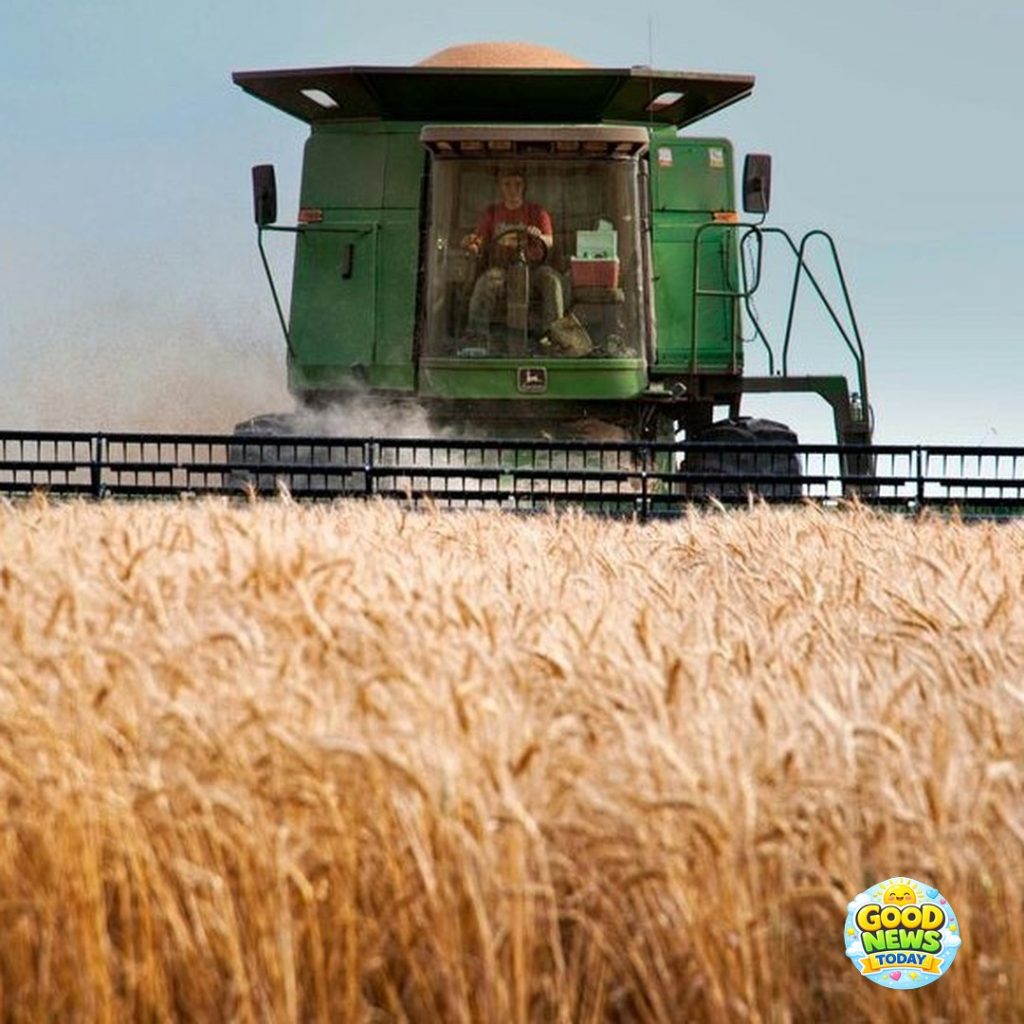
Canadian farmers are celebrating unprecedented spring harvests even amid a challenging five-year drought, showcasing their remarkable adaptability and resilience.
In a year when extreme weather, such as heavy rain followed by a swift return to drought, could have devastated crops, Simon Ellis observed his wheat fields thriving with plump grains ready for harvest. His contributions to the national total are set to be exported primarily to developing nations, marking a record harvest despite the ongoing drought that began in 2020.
This year, the yield for spring wheat reached an impressive 58.8 bushels per acre, reflecting a 77% increase compared to averages from three decades ago, as reported by government statistics.
“We are constantly making little tweaks,” Ellis shared, emphasizing the importance of innovation in combating climate change. His farm in Wawanesa, Manitoba, has implemented various improvements, including an underground system to manage flooding, slow-release fertilizers, and precise weed control methods.
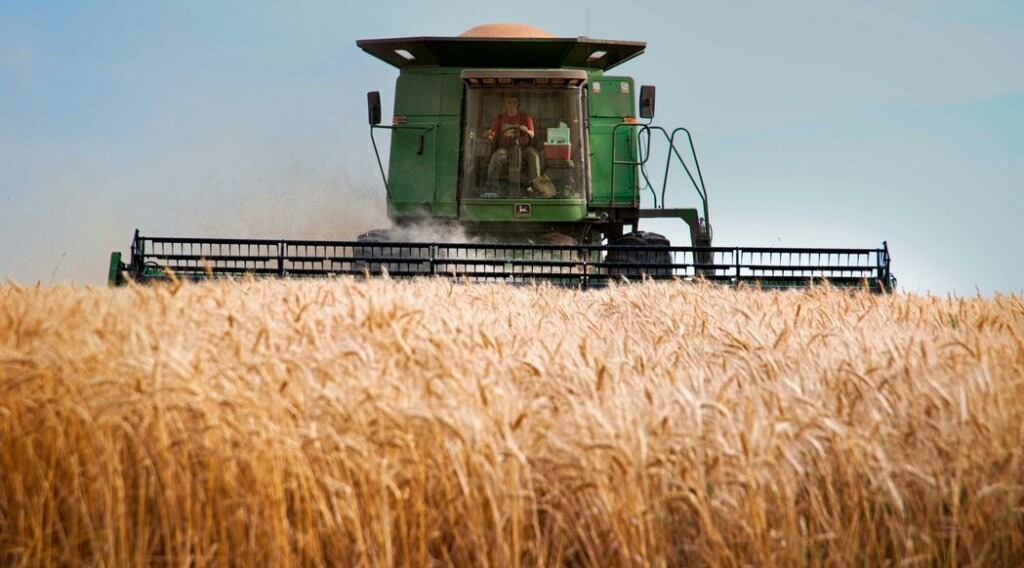
A significant transformation has come from embracing zero-till farming practices. Currently, around 75% of farmers in Saskatchewan, Manitoba, and Alberta have adopted this method, which involves leaving the soil undisturbed before seeding. This approach helps protect the delicate soil microbiome from harsh sunlight, reducing the necessity for herbicides and pesticides, as weeds tend to grow more slowly in established fields.
The soil microbiome plays a crucial role in supporting plant health, serving as a natural immune system for crops, much like our own body’s defenses. Zero-till agriculture is a cornerstone of regenerative farming, which enriches the fields between harvests, making them even more fertile for the next planting season. This is often achieved through a combination of zero-till techniques and allowing livestock to graze on the fields prior to planting.
Farmers are also utilizing innovative strategies like intercropping—growing multiple crops simultaneously—and cover cropping, where non-invasive plants like clover are cultivated after harvest to shield the soil from the sun. The introduction of self-guided tractors and advanced drainage systems further enhances farming practices, enabling farmers to produce greater yields even in conditions that once led to crop failures two decades ago.
Farming in the Western Canadian Prairie poses significant challenges, especially with the ongoing shifts in climate. However, thanks to advancements in agricultural technology and practices, farmers are thriving, turning adversity into opportunity and paving the way for a sustainable future in agriculture.