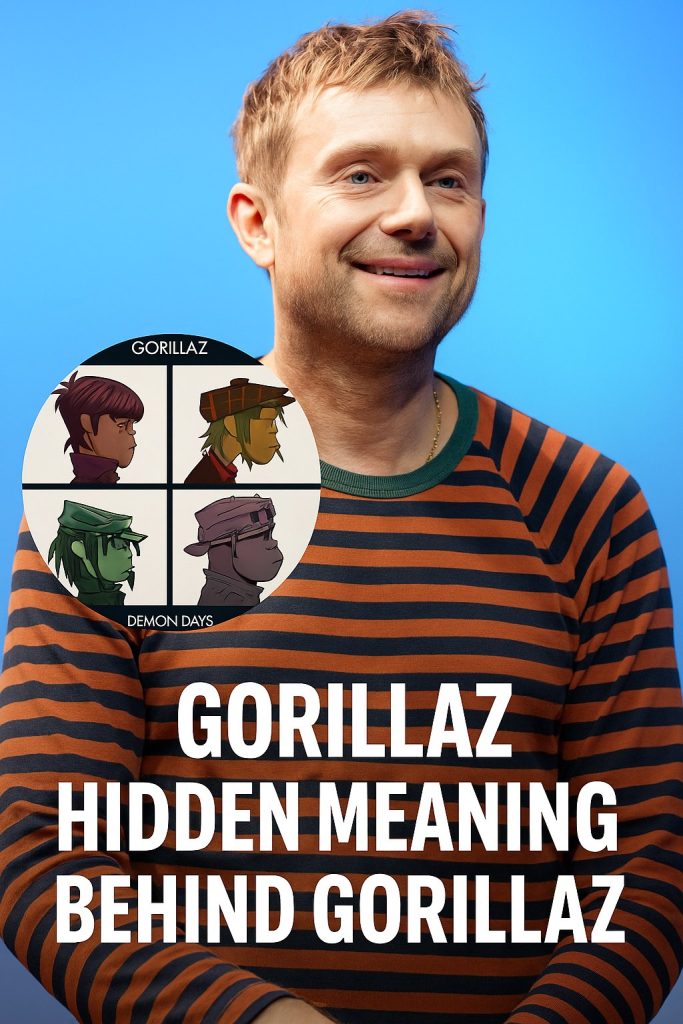
Gorillaz, the pioneering virtual band known for blending genres and pushing artistic boundaries, has sparked a fresh wave of excitement among fans in 2024. A recent surge of online discussions has centered around the hidden meaning behind the band’s iconic Demon Days album title and even the significance of the band’s name itself, revealing deeper layers that many listeners had missed for years.
Released in 2005, Demon Days is widely regarded as a seminal work that solidified Gorillaz’s stature in alternative music with hits like “Feel Good Inc.” and “Dare.” However, it was long assumed that the album title simply evoked an ominous vibe reflecting the turbulent themes within the music. Now, dedicated fans and music theorists have put forth compelling interpretations that go far beyond surface level.
At the heart of these fan theories is the idea that Demon Days not only symbolizes a dark, chaotic period imbued with political and social anxiety but also represents an allegory for the human struggle against internal and external “demons.” This aligns with Gorillaz creator Damon Albarn’s known tendency to weave social commentary and personal reflection into his music. Online communities have dissected lyrics, album art, and the accompanying music videos, identifying motifs of mental health battles, environmental degradation, and societal decay cleverly hidden in plain sight.
Moreover, the band’s name, “Gorillaz”, has also come under renewed scrutiny and admiration. Fans are piecing together how the name symbolizes raw, primal energy juxtaposed with modern digital culture—essentially a metaphor for the harnessing of uncontrolled natural power in an increasingly artificial, virtual world. Some argue this clever play might be a commentary on the band’s virtual persona consisting of animated characters rather than traditional rock musicians, highlighting the tension between chaos and control.
One viral social media post summarized fans’ sentiments perfectly: “They thought it all through 🤯🦍.” This encapsulates the collective amazement that the Gorillaz project was meticulously crafted to convey complex messages through its name, album themes, and multimedia elements. Many fans who grew up with the band are now revisiting the album with fresh eyes, uncovering what one describes as “a map of modern anxieties disguised in catchy beats and colorful animation.”
In 2024, this resurgence of interest has coincided with Gorillaz’s ongoing projects, as the band continues to innovate and release new music and visuals that remain layered with meaning. Their ability to stay relevant and provoke thought decades into their career is a testament to the depth of their artistry. This revelation acts as a reminder that Gorillaz’s creative universe is not just entertainment but a profound cultural commentary.
Whether longtime fans or new listeners, many are now diving back into Demon Days, appreciating the subtle narrative choices and the symbolic weight packed within the band’s name. This moment of collective discovery exemplifies how timeless art can resonate differently as audiences evolve, proving once again why the Gorillaz remain one of the most fascinating and enigmatic acts in music today.
As discussions continue to trend on social platforms, the “hidden meaning” behind Demon Days and the band’s identity stands as a landmark example of fan engagement transforming passive listening into active interpretation. It’s clear that for Gorillaz, the story is far from over—each lyric, image, and title holds a key to unlock deeper understanding of both the music and the world it reflects.