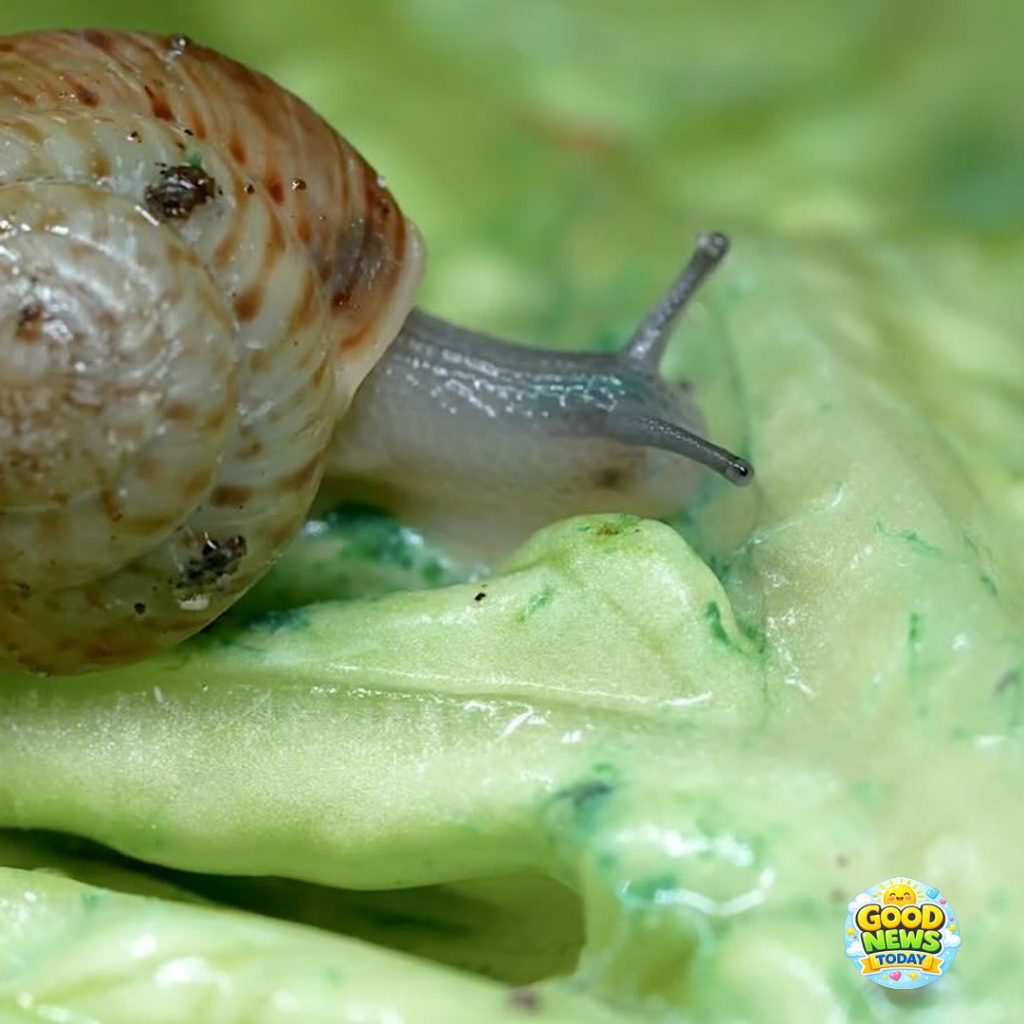
A tiny snail, once presumed extinct, has been brought back from the brink thanks to the dedicated efforts of conservationists who have successfully bred and released over 100,000 of these remarkable creatures into their natural habitat.
The greater Bermuda snail (Poecilozonites bermudensis) was thought to be lost forever until a small population was found in an alleyway in Hamilton, Bermuda, a decade ago. This rediscovery sparked an international initiative that has now confirmed the species as safe and thriving—a milestone that conservation experts are celebrating as a “once in a career” achievement.
This significant success was made possible through a collaboration involving the Bermuda government, a conservation researcher from the Canada-based organization Biolinx Environmental Research, and Chester Zoo in England, where thousands of these snails were carefully bred and nurtured before being released back into the wild in Bermuda.
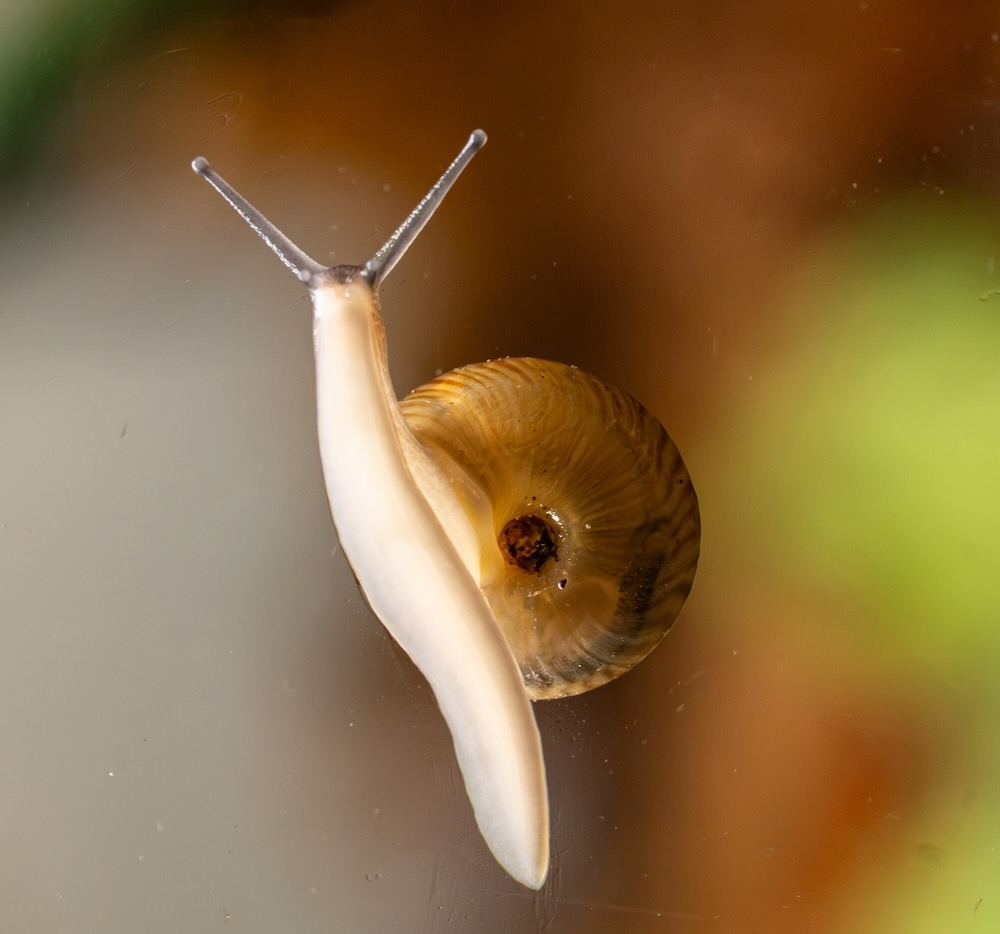
“It’s every conservationist’s dream to help save a whole species – and that’s exactly what we’ve accomplished,” expressed Tamas Papp, the invertebrates manager at Chester Zoo. “Although the greater Bermuda snail is small, this is one of the most inspiring success stories in the field of conservation.”
The successful establishment of six colonies of these snails in Bermuda has been confirmed through assessments, with the findings set to be published in Oryx, The International Journal of Conservation. “It’s incredible to think we started with fewer than 200 snails and now have released over 100,000,” noted Dr. Mark Outerbridge, a Wildlife Ecologist at Bermuda’s Department of Environment and Natural Resources.
To enhance the population, a specialized team of scientists and keepers at Chester Zoo took on the challenge of breeding the snails off-site, with the goal of reintroducing them to their natural environment. Gerardo Garcia, the Animal & Plant Director at Chester Zoo, highlighted the importance of the established colonies: “The fact that these snails are thriving in six different areas is monumental. These locations are witnessing growth and expansion, providing invaluable insights into the species.”
The team adapted existing methods of snail care to create optimal conditions for the greater Bermuda snail, leading to the development of the first conservation breeding guide for the species. “They were on the verge of vanishing, so to now say that the snails are safe from extinction is simply extraordinary. It’s a remarkable feeling to have made such a substantial difference for a species—an opportunity that conservationists may only experience once in their careers,” remarked Dr. Garcia.