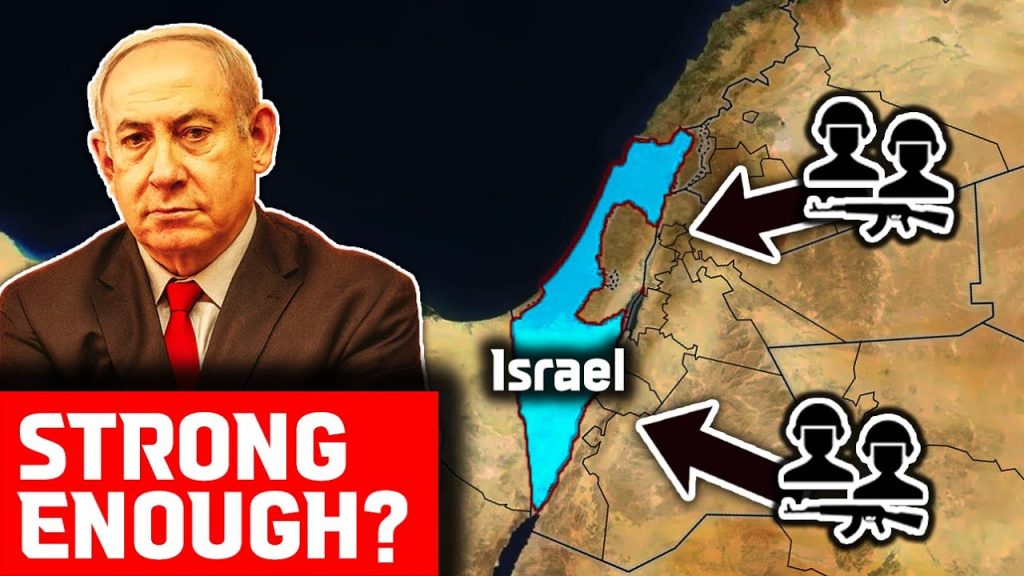
The provocative title, “Why can’t Israel be stopped?” invites reflection on the multifaceted political, military, and diplomatic aspects that contribute to Israel’s enduring presence and influence in the Middle East. It alludes to the persistent challenges Israel faces from regional conflicts, security threats, and international pressures, while also highlighting its ability to maintain sovereignty and assert its strategic interests despite these obstacles.

Israel’s geopolitical position is unique and complex, shaped by a combination of historical conflicts, strategic alliances, robust military capabilities, and a dynamic domestic political landscape. Since its establishment in 1948, Israel has navigated numerous wars, peace treaties, and ongoing regional tensions. The nation’s relationships with neighboring countries such as Lebanon, Syria, Jordan, and Egypt remain delicate, often punctuated by periods of open conflict and fragile ceasefires.
One of the critical elements in Israel’s resilience is its technological and military advancements, backed by compulsory national service and extensive intelligence networks. The country’s defense strategies and innovations, including missile defense systems like Iron Dome, play a significant role in its deterrence capabilities. Additionally, Israel’s strong diplomatic ties, particularly with the United States and other Western nations, provide political and military support that bolsters its standing on the global stage.
Internal political factors also impact Israel’s endurance. The interplay between various political parties, security policies, and social dynamics contribute to shaping how Israel addresses threats and engages in regional diplomacy. Furthermore, Israel’s economic strength and cultural influence add layers to its regional and international interactions.
Understanding why Israel remains a formidable and often contentious actor in Middle Eastern affairs requires looking beyond singular narratives. It involves a nuanced examination of history, strategic policy decisions, regional geopolitics, and international relations. Discussions around Israel’s persistence are inevitably linked to broader conversations about peace, security, sovereignty, and the quest for stability in one of the most turbulent regions in the world.
Where to Learn More
- BBC News – Middle East – Comprehensive coverage of ongoing developments in Israel and the broader Middle East region.
- Council on Foreign Relations – Israel – In-depth analyses and background on Israel’s foreign policy and regional dynamics.
- Atlantic Council – Middle East Program – Expert insights on security, diplomacy, and political trends in the Middle East.
- Haaretz – Israeli news source offering local perspectives on political and social issues.
- The Jerusalem Post – News and commentary on current events impacting Israel and its geopolitical environment.