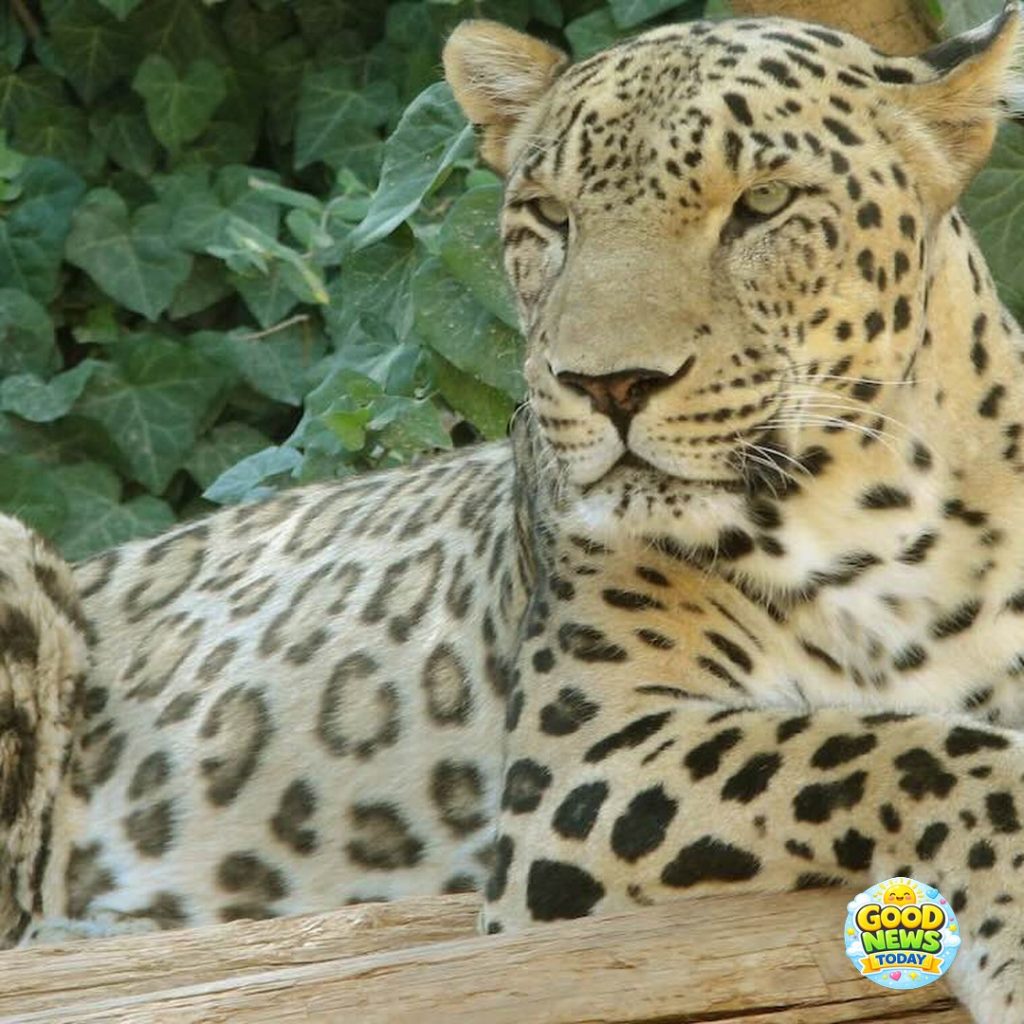
In a remarkable conservation effort, a comprehensive network of camera traps was expanded last year in western Turkmenistan to gain deeper insights into the populations of the Endangered Persian leopard subspecies.
This initiative, backed by a conservation financier from Washington, DC, is particularly notable as many citizens from this country seldom have the opportunity to visit Turkmenistan. The survey yielded encouraging outcomes, revealing an estimated population of 60 to 80 Persian (also known as Caucasian) leopards thriving within the country’s nature reserves. This marks an increase from previous counts, indicating that despite living in increasingly fragmented habitats, these magnificent creatures are successfully navigating their way through the challenges of the 21st century.
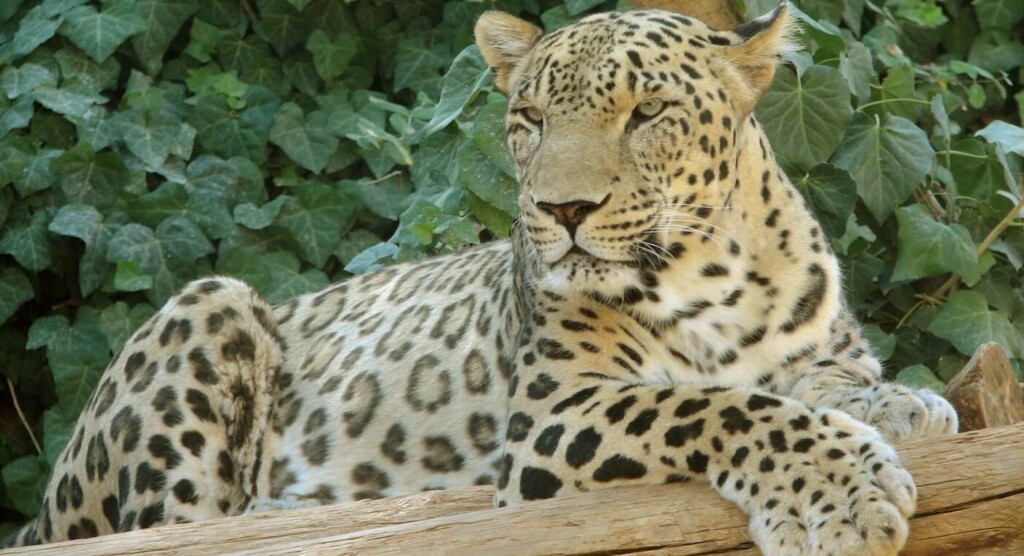
The survey identified two main regions where these elusive leopards reside: the scenic Kopetdag Mountains along the border with Iran and the Garabogazgol area, located near the Caspian Sea and bordering Kazakhstan. Within the Uly-Balkan Range, a site of significant ecological importance, three breeding females were documented in the camera trap survey, signifying a hopeful resurgence as these animals begin to recolonize ecosystems that have seen improvements in recent years.
Conservation X Labs, responsible for conducting the camera trap survey, highlighted several factors contributing to the positive trend in leopard populations, including enhanced habitat protections, a rise in prey availability, and the long-lasting effects of dedicated conservation efforts.
The Persian leopard is recognized as one of the largest distinct populations of leopards globally, according to the Central Asia Times. This inspiring progress offers a glimmer of hope for a stunning species in a region that faces numerous uncertainties.