
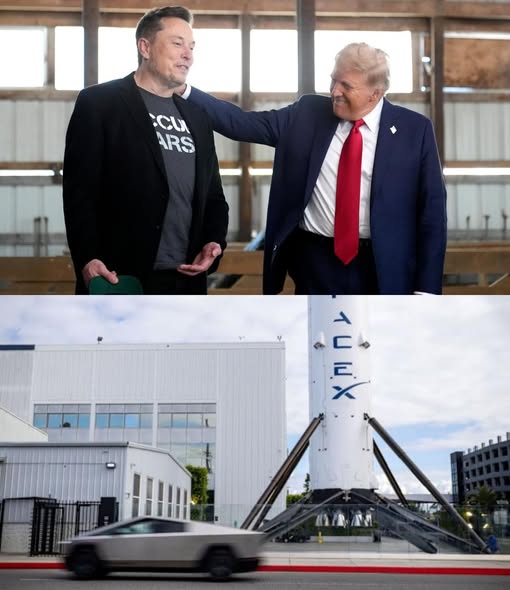
Elon Musk, the billionaire entrepreneur behind Tesla and SpaceX, is on the verge of becoming the world’s first trillionaire—if his planned IPOs and stock holdings unfold as anticipated. With an estimated personal wealth of approximately $1.11 trillion, Musk’s fortune surpasses the gross domestic product of many countries. But beyond the impressive numbers lies a profound question: what does such immense wealth mean for society and human lives?
To put the scale into perspective, Musk’s projected fortune could fund some of the world’s most pressing social issues multiple times over. For example, the U.S. Department of Housing and Urban Development estimates it would take about $20 billion to end homelessness nationwide. Musk’s net worth could do this for nearly **fifty-five years**, providing shelter and stability to every veteran, family, and child currently sleeping in shelters, cars, or on the streets.
Similarly, eradicating world hunger by 2030, a goal supported by the United Nations World Food Programme at an estimated cost of $40 billion annually, could be achieved for over **twenty-seven years** with Musk’s wealth—leaving ample resources for future needs worldwide.
And it doesn’t stop there. Musk could wipe out the approximately $561 billion in student debt held by over 20 million Americans under the age of 35. Imagine the relief and economic mobility this one-time act could facilitate—allowing a generation to invest in education, homes, and careers without the shadow of debt hanging over them.
He could also fund universal Pre-K education across the United States for about $70 billion a year, extending quality early childhood programs to every three- and four-year-old child for the next fifteen years—potentially shaping a more equitable foundation for future generations.
The irony is stark. While Musk’s wealth could solve many of society’s most persistent problems, it remains largely tied up in stock and assets, not directly benefiting the millions of Americans struggling with housing, healthcare, or education. This inequality highlights how our economy is structured—where the “paper riches” of billionaires are amassed on the backs of workers, through government contracts, and via a tax system that often favors borrowing against shares over paying fair taxes.
What’s most unsettling isn’t just Musk’s impending wealth—it’s the broader societal failure that allows such disparities to flourish. In a country where one in seven children experiences food insecurity, the concept of a “trillionaire” signals a profound imbalance between wealth and human need. It suggests that while a select few amass fortunes, millions face preventable hardships, and systemic change remains elusive.
Addressing this disparity is not merely about redistributing wealth but questioning the values and priorities of society. As Musk’s potential for generosity vividly illustrates, the real question isn’t how he earned his wealth but what kind of country permits that wealth to sit unused in stocks and assets, instead of helping those in need. In the end, the debate isn’t about whether billionaires should exist—it’s about whether our societal structure is designed to serve everyone equally or just the few at the top.