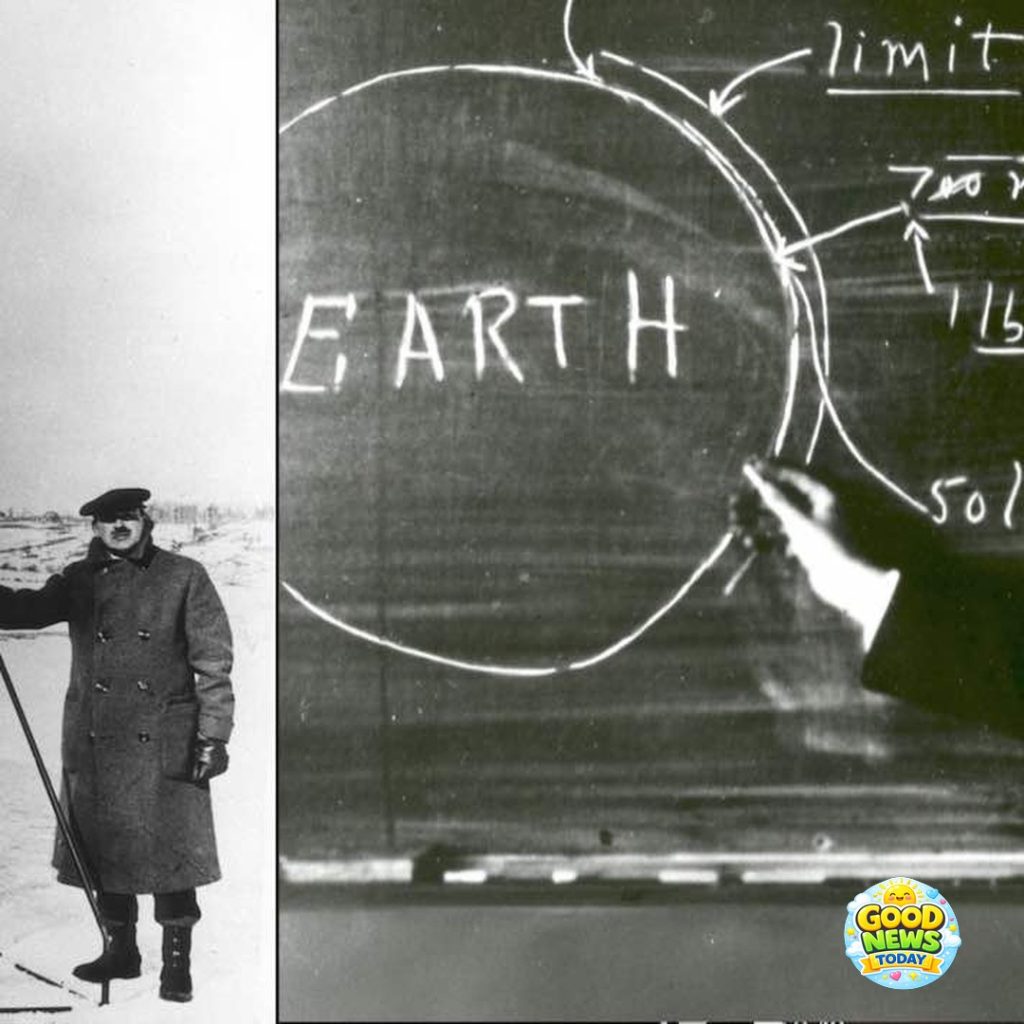
Today marks a remarkable milestone in history as we celebrate the 100th anniversary of Dr. Robert Goddard’s groundbreaking launch of the world’s very first liquid-fueled rocket. This innovative achievement took place in Auburn, Massachusetts, where the New England physics professor, engineer, and inventor crafted the rocket himself. Goddard is often hailed as a pioneer who paved the way for the age of space exploration.
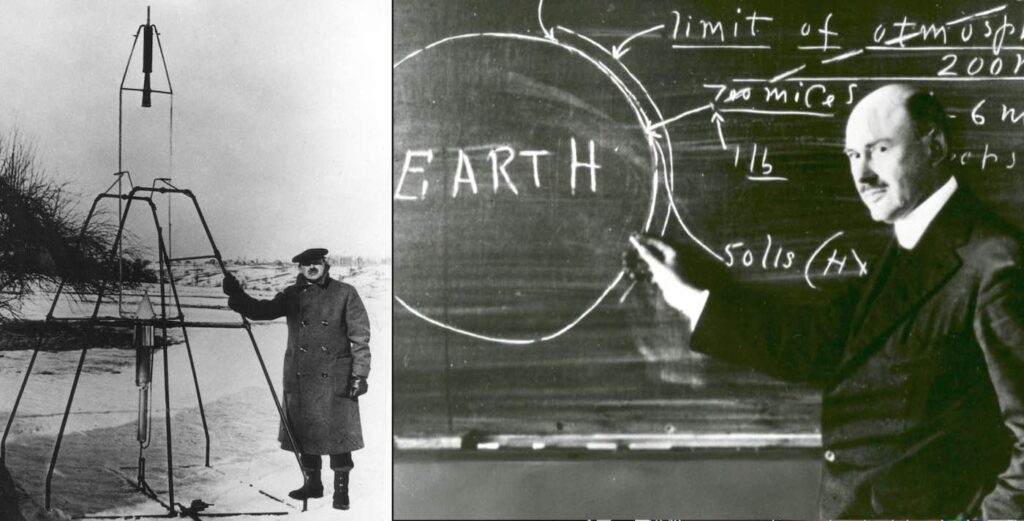
Back in 1920, Goddard boldly proposed that rockets could be utilized to transport payloads to the Moon. At the time, many viewed his vision as fanciful, leading to ridicule from the media, who mockingly referred to him as “Moon Man.” Nevertheless, on this historic day, Goddard’s rocket, affectionately named “Nell,” ascended to a height of 41 feet, demonstrating the feasibility of liquid propulsion—a concept he had championed 15 years prior. Over the subsequent 15 years, Goddard and his team successfully launched 34 rockets, reaching altitudes of up to 1.6 miles (2.6 km) and speeds of 550 mph (885 km/h).
The Smithsonian Institute later published Goddard’s influential paper, A Method for Reaching Extreme Altitudes, which is now celebrated as a significant milestone in the beginning of the Space Age, much like the Wright Brothers’ first flight was for aviation. Despite his monumental contributions, Goddard did not receive the recognition he deserved during his lifetime, passing away in 1945—just a decade before American rocket scientists acknowledged his essential work in the field.
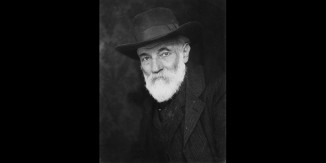
With a remarkable 214 patented inventions to his name, including a multi-stage rocket and liquid-fuel rocket conceived in 1914, Goddard also pioneered technologies such as two-axis controls (gyroscopes and steerable thrust) that allowed rockets to navigate their paths effectively. In honor of his extraordinary legacy, NASA named the Goddard Space Flight Center after him in 1959.

As we reflect on this significant date, let’s also celebrate other inspiring events in history. For instance, 186 years ago, Shibusawa Eiichi was born in Japan. Renowned as “The Father of Japanese Capitalism,” this visionary economist and industrialist played a crucial role in merging Western free-market principles with Eastern values during the transformative Meiji Restoration. His innovative ideas led to the establishment of double-entry bookkeeping, joint-stock companies, and modern banking systems in Japan, all of which have had a lasting impact on the country’s economy.

In his youth, Eiichi almost went down a tumultuous path, but he chose to channel his energy into positive endeavors. After witnessing the Universal Exposition in Paris in 1867, he returned to Japan just in time to be part of the Meiji Restoration. He founded the Shōhō Kaishō, one of the country’s first joint-stock companies, and later became president of Dai-ichi Bank, Japan’s first modern bank. His belief in the importance of ethical business practices continues to resonate, and many companies he helped launch are still flourishing on the Tokyo Stock Exchange today.