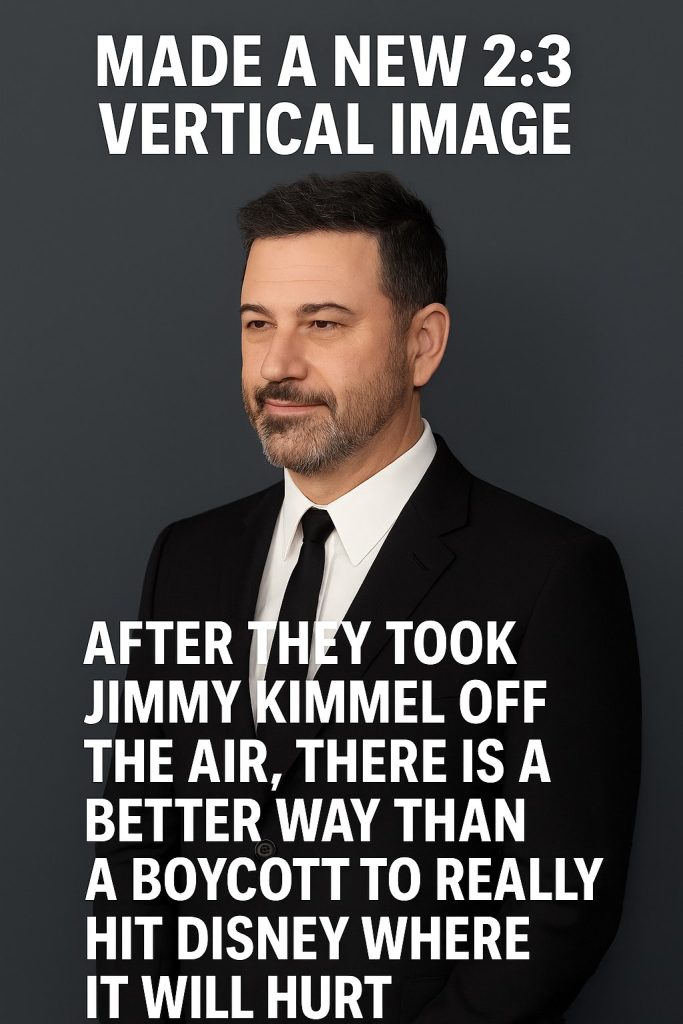
Disney has always been a key player in the entertainment industry, but recently, they’ve found themselves in hot water after taking late-night talk show host Jimmy Kimmel off the air. This move has sparked a fervent debate among many on the left, with calls for a boycott surfacing on social media. However, some individuals believe there exists a more impactful and nuanced way to voice dissatisfaction with the media giant beyond simply pulling away from their products.
The social media landscape has exploded with discussions about Disney’s decision regarding Kimmel, with many expressing their outrage. “Why boycott when we can strategically engage and hold Disney accountable for their choices?” argued one popular tweet. Others echoed this sentiment, suggesting that instead of abandoning Disney projects and platforms, supporters could adopt methods aimed at drawing attention to the company’s decisions and prompting discussions about accountability in programming.
The proposal to act strategically rather than boycotting is thought to resonate more effectively. Activists advocate for methods such as letter-writing campaigns, social media hashtags, and organized discussions to shine light on the issues at hand. These approaches aim not only to express discontent but also to engage with Disney in a way that fosters dialogue and encourages the company to reconsider its programming decisions in the future.
Supporters of Kimmel have initiated online campaigns to promote his return, flooding social media platforms with posts featuring the hashtag #BringBackKimmel. They argue that rather than turning away from Disney’s widely popular content, they can use their platforms to advocate for change. “Engagement is essential in the current climate; we need to show that we care and that we’re not going to be silent,” remarked one influencer connected to the movement.
This isn’t the first time Disney has faced backlash from various political spectrums, nor will it be the last. Over the years, the company has weathered storms related to LGBTQ+ representation, labor practices, and creative control issues. Yet, this incident highlights the growing trend of social media-driven activism, where users seek innovative tactics to take on corporate giants. Rather than boycotting—a tactic that has mixed results—activists now confront these companies head-on using tactics rooted in engagement and community-building.
As the conversation continues to unfold, Disney’s response will undoubtedly become critical. Many are curious if the company will revisit its programming decisions or if it will stick to its guns amid criticism. An effective response to the ongoing backlash might not only prevent viewer dissipation but could also strengthen Disney’s brand loyalty among fans who want to see a representation of voices from across the spectrum.
In a world where consumer opinions are increasingly shaping corporate actions, the choice between strategic engagement versus outright boycotts may play a significant role in how media companies shape their future programming. The current conversation surrounding Jimmy Kimmel and Disney is just the beginning of a broader discourse about content sensitivity and corporate responsibility.