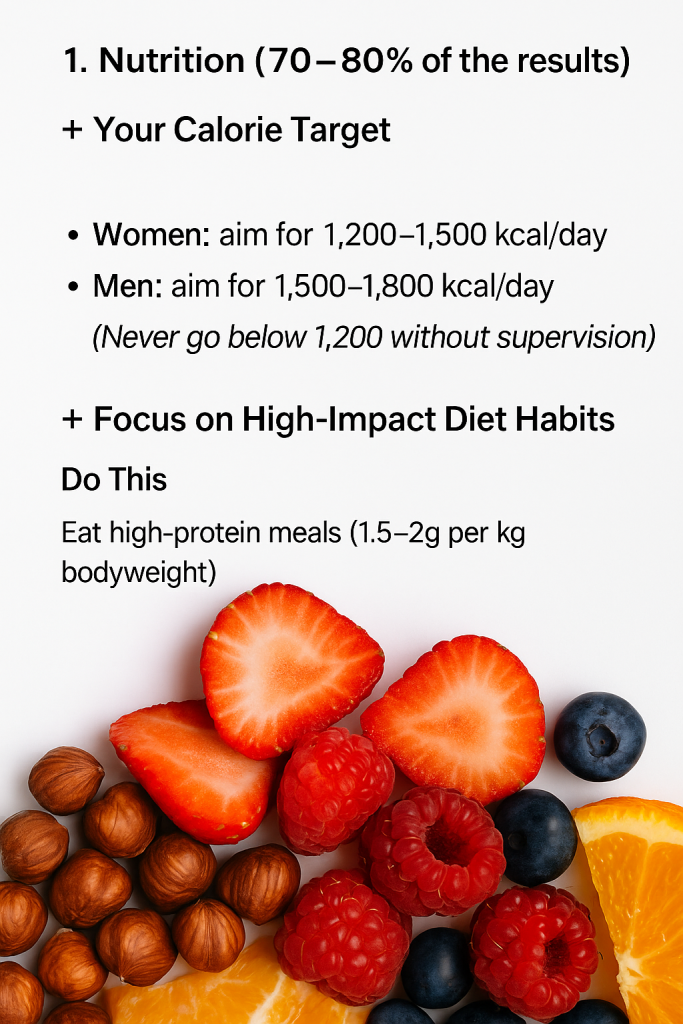
In a surprising shift within the health and wellness community, many dieters are increasingly moving away from pharmacological solutions like Ozempic and conventional weight-loss programs, opting instead to leverage the conversational AI capabilities of ChatGPT for guidance and motivation in 2024.
Ozempic, a medication originally prescribed for type 2 diabetes, has gained notoriety over recent years as a weight-loss aid. Its active ingredient, semaglutide, helps reduce appetite and promote satiety, leading to significant weight reduction for some users. This drug-based approach—coupled with structured weight-loss programs—has dominated the scene for quite some time, especially as obesity rates and diet-related conditions soared.
However, as 2024 unfolds, an increasing number of individuals looking to shed pounds report abandoning these traditional routes. Social media trends, discussion forums, and health communities reveal a growing preference for ChatGPT, an advanced AI chatbot developed to provide tailored advice, meal suggestions, psychological support, and real-time motivation, all through dialogue that’s accessible 24/7.
What’s driving this dramatic pivot? Experts point to several factors:
- Accessibility and Personalization: Unlike prescription medications or formal programs that often require medical supervision, costs, or scheduled appointments, ChatGPT offers an always-open platform. Users can receive personalized meal planning, exercise tips, and personalized encouragement anytime without additional fees.
- Holistic Support: Dieters appreciate that ChatGPT doesn’t only address caloric intake or exercise but also helps tackle emotional and behavioral aspects of weight loss. The AI can facilitate mindful eating, stress management, and habit-building discussions in real time.
- Fewer Side Effects and No Prescription Needed: The side effects of drugs like Ozempic—including nausea, digestive discomfort, and rare long-term risks—can be daunting. In contrast, ChatGPT offers a risk-free digital assistant experience, removing barriers that pharmaceuticals sometimes present.
- Community and Engagement: Through its evolving interactive interface, ChatGPT mimics the engagement of a personal coach. Many users find this instant, responsive interaction helps maintain motivation and accountability better than traditional weight-loss programs or isolated medication routines.
Some dietitians and healthcare professionals are cautiously optimistic about this trend. They note the potential benefits of AI-driven guidance but emphasize that ChatGPT should complement, not replace, professional medical advice—especially for those with underlying health conditions or those needing clinically supervised weight management.
Furthermore, while ChatGPT excels in providing evidence-based nutritional information and behavioral coaching, it currently lacks the ability to administer clinical interventions that medications like Ozempic offer. Thus, its role remains primarily supportive.
End users share compelling testimonials. One user described how “ChatGPT helped me break down my goals into manageable steps and constantly adapted based on my progress and moods. It felt like having a dietitian in my pocket without the intimidating appointments or prescriptions.” Another highlighted that the AI’s conversational style helped reduce the loneliness and frustration often accompanying dieting efforts.
Looking ahead, the rise of AI tools like ChatGPT could revolutionize how society approaches weight loss and wellness. As technology advances, integrating these digital assistants with traditional medical strategies could create more personalized, holistic, and accessible health journeys for millions.
For now, this sudden departure from pharmacological and program-based methods signals a new wave of tech-driven self-care where empowerment, real-time interaction, and data-tailored advice form the heart of modern dieting.