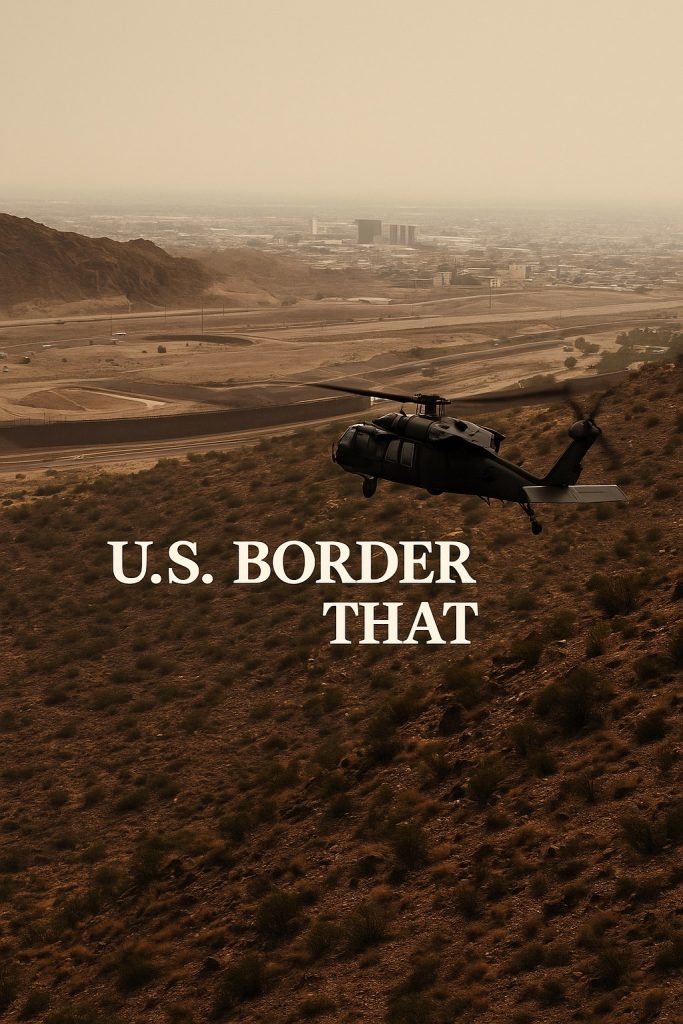
In a recent announcement, the Department of Homeland Security (DHS) proclaimed that the United States now boasts the “most secure border” in the nation’s history, marking what the agency describes as the end of the ongoing border crisis. This statement comes just seven months into President Donald Trump’s second term, reflecting the administration’s continued emphasis on strict border enforcement and immigration control.
The DHS victory lap highlights a series of reported improvements and strategic changes implemented at the southern border throughout 2019 and early 2020. According to DHS officials, these measures have significantly curtailed the inflow of undocumented migrants, drug traffickers, and other illicit activities that have repeatedly challenged border security over the last decade.
Central to the administration’s claims is the deployment of enhanced border infrastructure, advanced surveillance technologies, and increased personnel. The U.S. Customs and Border Protection (CBP) agency reportedly expanded fencing and physical barriers, integrated state-of-the-art cameras and sensors, and boosted border patrol staffing levels beyond previous years’ numbers. These measurable upgrades have been credited with reducing unauthorized crossings to the lowest levels seen in recent memory.
Moreover, the administration attributes progress to aggressive policy changes, including expedited deportations and new agreements with neighboring countries aimed at deterring migration flows before individuals reach U.S. soil. Programs such as “Remain in Mexico” and expanded asylum restrictions have been pivotal in reshaping border operations.
“Today, we have the most secure U.S. border that we’ve ever had in the history of this nation,” a senior DHS official stated during a press briefing. This declaration underscores a narrative that the administration has sought to promote since the beginning of Trump’s presidency: that effective border enforcement underpins national security, public safety, and economic stability.
While these assertions are supported by official data showing declines in apprehensions and illegal entries, critics argue that the characterization of the crisis as over is premature. Some experts caution that underlying factors driving migration, such as violence, poverty, and political instability in Central America, remain unresolved and could prompt new surges if border policies or humanitarian conditions change.
The DHS embrace of border fortification and immigration restrictions continues to be a defining feature of the Trump administration’s agenda. It also serves as a barometer for political debates in Washington, where immigration policy remains deeply divisive.
Looking ahead, the department has indicated ongoing investments in technology and infrastructure, alongside increased interagency collaboration, to maintain what it calls “unprecedented border security.” These efforts aim to reinforce the message that the southern border is not just managed but firmly controlled.
As the administration moves deeper into its second term, the declaration of the “most secure border in history” will likely serve both as a political rallying point and a reference benchmark for future immigration policy discussions.