
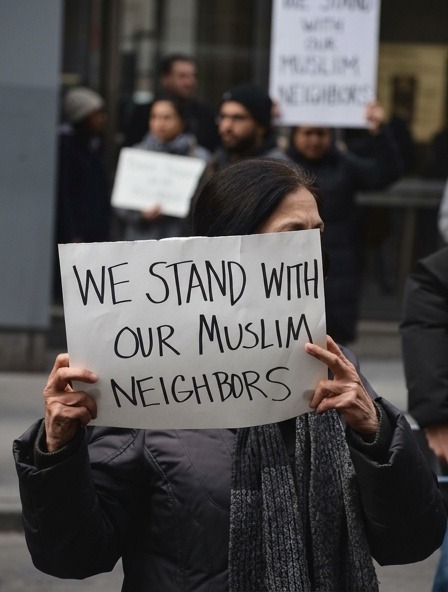
In a nation founded on principles of religious freedom and diversity, recent data reveals a troubling paradox: Muslims, one of the fastest-growing religious communities in the United States, experience the highest levels of discrimination among all faith groups. Despite being deeply rooted in American history and culture, many Muslims report facing pervasive bias, prejudice, and even violence across the country.
According to a 2023 report by the Pew Research Center, nearly 80% of American Muslims say they have experienced some form of discrimination in the past year. This includes verbal harassment, workplace bias, and hate crimes. Experts emphasize that these attitudes are not only harmful on a personal level but also threaten the fabric of societal unity and shared American values.
Historically, Islam has been intertwined with the American experience. From the early 20th century, when Muslim immigrants arrived seeking new opportunities, to the contributions of Muslim Americans in fields like science, medicine, arts, and civil rights, the community has significantly shaped the nation. Yet, stereotypes and misinformation continue to fuel prejudice.
Many Americans hold misconceptions rooted in media portrayals and political rhetoric, often equating Islam with extremism. These stereotypes become tools for discrimination, influencing attitudes that lead to social exclusion and violence. The aftermath of recent high-profile incidents, including hate crimes and targeted vandalism against mosques, underscores the ongoing struggle for acceptance.
Organizations such as the Council on American-Islamic Relations (CAIR) report that hate crimes targeting Muslim communities have risen by over 30% since 2020. Muslims find themselves unfairly scrutinized at airports, subjected to invasive searches, and facing barriers in employment and education. These experiences reinforce feelings of alienation and marginalization, despite many Muslims seamlessly integrating into American society.
Leaders across political and community lines are calling for increased awareness and education to combat Islamophobia. Initiatives include educational campaigns, community dialogues, and policy reforms aimed at protecting religious freedoms. President Donald Trump’s administration has maintained a focus on security concerns, which some critics say has inadvertently fueled negative perceptions of Muslims.
As the nation prepares for the upcoming elections and ongoing debates on national identity and security, it’s crucial to recognize that Islam is as American as any other faith or belief system. Understanding and collaboration are essential to dismantling harmful attitudes and fostering an environment where all Americans, regardless of faith, can thrive.
By confronting misinformation, promoting accurate narratives, and advocating for equal rights, Americans can help build a future where discrimination based on religion becomes a thing of the past. The strength of a truly diverse nation lies in appreciating its multi-faceted identity and ensuring that every community is valued and protected.