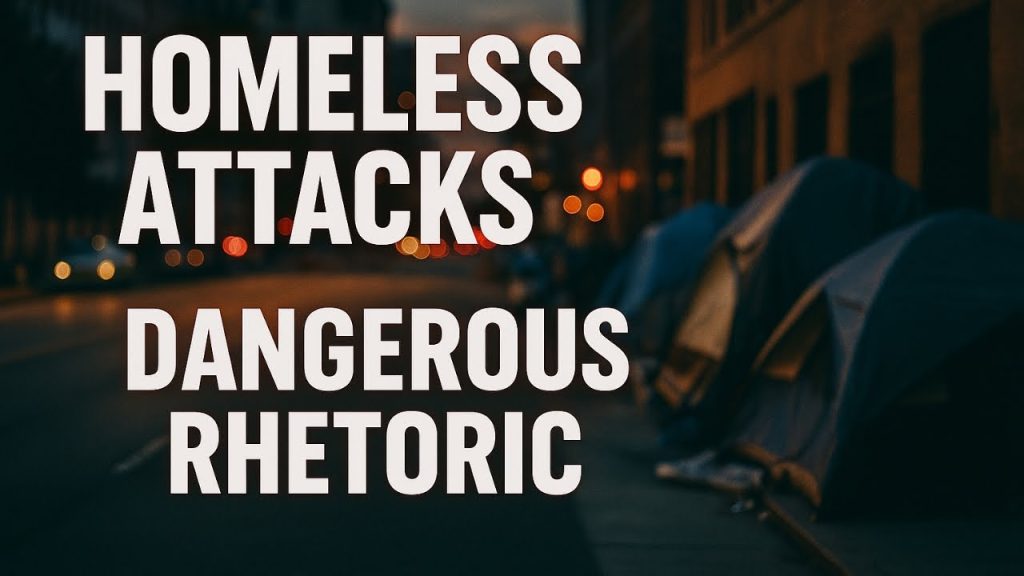
The term “Homeless and Dangerous Rhetoric” evokes a potent mix of issues surrounding the plight of homelessness and the inflammatory language often used when discussing marginalized communities. In recent years, political discourse on homelessness has become increasingly polarized. Advocates for the homeless argue for compassionate policy solutions, while others highlight public safety concerns, framing the discourse in a way that may bolster stigma rather than promote understanding.

Homelessness in the United States remains a critical and complex issue. According to data from the U.S. Department of Housing and Urban Development (HUD), nearly 580,000 individuals experience homelessness on any given night in the country. This stark statistic highlights the governmental and societal challenges in addressing homelessness, which can be exacerbated by rising housing costs, economic instability, and inadequate mental health services. Advocates emphasize that rhetoric that paints homeless individuals as “dangerous” can hinder progress toward effective solutions and stigmatize an already vulnerable population.
Political figures and local governments often use charged language to frame their responses to homelessness. Terms like “dangerous” may resonate with voters concerned about public safety but can overshadow the critical need for housing-first initiatives—strategies that prioritize providing stable housing before addressing issues such as mental health or substance abuse. This rhetoric can inadvertently contribute to a cycle of marginalization and misunderstanding, which may lead to policies that are punitive rather than supportive.
As communities grapple with homelessness, there is a critical need for informed discussions that go beyond labels. Engaging in compassionate discourse is essential for dismantling stereotypes and promoting understanding, which could lead to more effective policies that address the root causes of homelessness. Understanding the power of language in political rhetoric is vital, as it plays a significant role in shaping public perception and ultimately influences legislative action.
Where to Learn More
- U.S. Department of Housing and Urban Development – Provides comprehensive information and statistics on homelessness in the United States.
- National Housing Law Project – Focuses on the legal rights of low-income individuals and families regarding housing.
- Urban Institute – Conducts research and provides data on social and economic issues, including homelessness.
- National Alliance on Mental Illness – Offers resources and information on the intersection of mental health and homelessness.
- Homeless Shelter Directory – A resource for finding local shelters and support services across the country.