
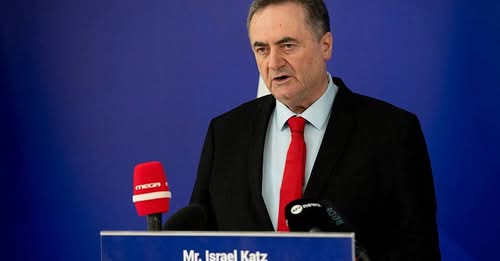
In recent discussions that have sparked controversy across social media and policy circles, a provocative statement has gained widespread attention: “Israel believes it is always a few good assassinations away from total victory,” according to one critic. This comment has reignited debates over Israel’s counterterrorism tactics and the ethics of targeted killings in the ongoing Israeli-Palestinian conflict.
The remark underscores a perception among critics that Israel’s military strategy relies heavily on targeted assassinations of key militant figures, particularly within groups like Hamas and Islamic Jihad. While Israel contends that such operations are precise measures aimed at dismantling terrorist networks and preventing attacks, opponents argue that this approach perpetuates cycles of violence and destabilizes the region further.
Israel has long employed targeted killings as a core component of its security strategy, claiming they are essential for preemptive action against perceived threats. The Israeli military and intelligence agencies often justify these operations as necessary to protect civilians and maintain national security. However, critics from human rights groups and international observers argue that assassinations can violate international law, create political instability, and often lead to civilian casualties, which can fuel further hostility.
This contentious practice has remained under scrutiny amid recent escalations in violence. Some analysts suggest that Israel’s focus on assassination as a quick path to victory may overlook the broader complexities of the Israeli-Palestinian conflict, including issues related to occupation, settlement policies, and the lack of progress toward a peaceful resolution.
“The idea that a string of targeted killings could lead to a decisive victory is overly simplistic and dangerously misleading,” said Dr. Lisa Cohen, a Middle East political analyst. “Long-term peace requires diplomatic efforts and addressing root causes, not just tactical eliminations.”
Meanwhile, critics caution that an overreliance on assassinations risks further alienating Palestinian populations and international observers, potentially escalating violence rather than solving it. The debate raises questions about whether this approach merely postpones conflict or effectively diminishes threats in the long run.
As tensions remain high and violence persists, the international community continues to call for renewed efforts toward dialogue and a sustainable solution. For now, the debate over Israel’s strategic approach remains a contentious and emotionally charged topic that highlights the profound complexities of the region’s pursuit of security and peace.