
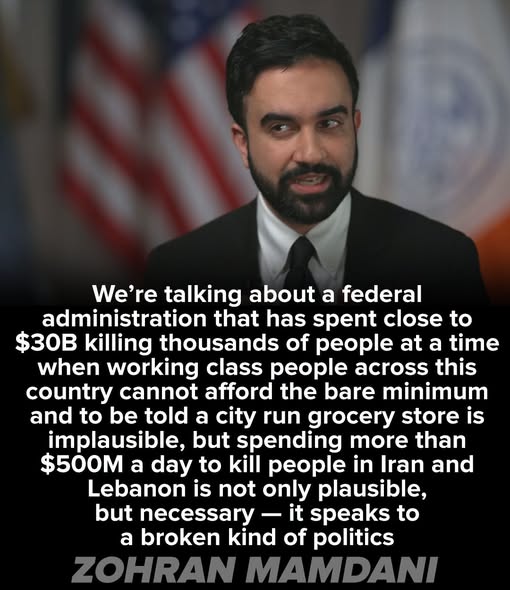
Amid widespread economic challenges and rising inequality, a powerful social media message has sparked debate about the government’s priorities. An image circulating online starkly contrasts the billions allocated to military operations with the struggles faced by millions of working-class Americans.
The graphic reads: “We’re talking about a federal administration that has spent close to $30 billion killing thousands of people at a time when working class people across this country cannot.” This statement underscores growing frustration over what many see as an imbalance between spendings on military interventions abroad and the pressing needs at home.
Critics argue that while hundreds of billions are funneled into military campaigns—ranging from ongoing conflicts overseas to defense contracts—many U.S. citizens are grappling with economic instability, wage stagnation, and limited access to healthcare and affordable housing. This disparity raises questions about government priorities and the allocation of taxpayer dollars.
Since the beginning of recent military interventions, including ongoing conflicts in the Middle East, the United States has reportedly spent trillions on defense. According to the Costs of War Project at Brown University, U.S. military operations and related expenditures have exceeded $8 trillion since September 2001. The $30 billion figure referenced in the social media post likely pertains to more recent or specific military spending, highlighting a continued trend of significant investment in war efforts.
Meanwhile, domestic issues such as rising inflation, unemployment, and cuts to social programs have left working-class communities feeling abandoned. Many argue that the government should redirect resources to bolster education, healthcare, and social safety nets rather than expanding military engagements abroad.
The social media message has resonated with many individuals frustrated by what they see as misplaced national priorities. It exemplifies a broader debate: Should government spending focus more on domestic needs or continue to fund international military actions?
Experts suggest that public pressure and political accountability are essential to address these issues. Advocates for reallocating defense funds argue for increased investment in social programs that directly benefit citizens, particularly vulnerable populations. Conversely, proponents of continued military spending emphasize national security concerns and global stability.
This viral message is a reminder of the complex debate surrounding federal budgets and the urgent need for transparency and prioritization. As citizens voice their concerns online, policymakers face mounting pressure to rethink spending strategies and ensure that national resources serve the best interests of all Americans.