
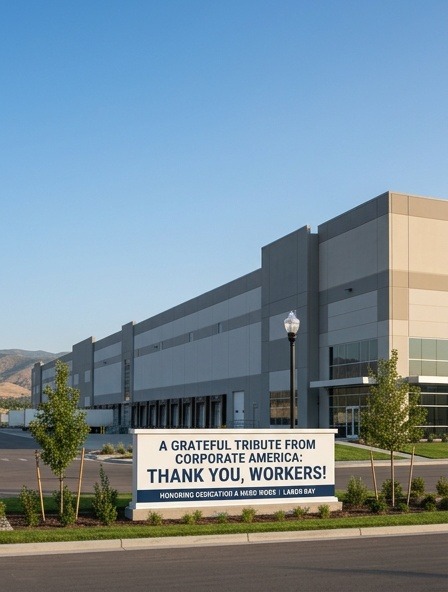
As Americans prepare to celebrate Labor Day this year, a familiar trend emerges: companies across the nation are extending warm holiday greetings on social media, often accompanied by promotional deals and corporate branding. But beneath the cheerful messages, a deeper question arises—what does this holiday truly stand for, and how do modern corporate practices reflect its core values?
Labor Day, established over a century ago, originated as a tribute to the labor movement and the contributions of workers who built the nation’s industrial backbone. Traditionally, it’s a day for appreciation, reflection, and recognition of labor rights. However, in the age of social media and consumerism, many corporations seem to be co-opting the holiday as a marketing opportunity—wishing consumers a “Happy Labor Day” while simultaneously promoting sales, discounts, and new product launches.
On platforms like Twitter and Instagram, major brands from retail giants to tech companies post messages that range from heartfelt tributes to more transactional posts encouraging spending. For example, some companies share images of their hardworking employees, emphasizing appreciation, while others focus on enticing consumers with special weekend deals. While these efforts can be seen as a positive acknowledgment of workers, critics argue they often overshadow the holiday’s original intent—the celebration of workers’ rights and collective activism.
Economic analysts note that this trend reflects a broader shift in how companies view Labor Day. Instead of solely honoring the contributions of workers, many see it as an opportunity to boost sales in the final days of summer. “It’s a compelling reminder of how consumer culture has integrated with traditional holidays,” says labor historian Dr. Maria Sanchez. “The challenge is maintaining the holiday’s meaningful symbolism while recognizing the commercial realities of today’s economy.”
Meanwhile, unions and labor advocates continue to leverage Labor Day as a platform for advocacy and awareness. Recent protests, rallies, and campaigns highlight ongoing issues such as wage stagnation, workplace safety, and worker rights. These efforts serve as a counterbalance to the corporate messaging, reminding Americans of the ongoing struggles faced by many workers today.
With the rise of social media, the messaging around Labor Day has become more polarized. Consumers are encouraged to look beyond the sales; they’re urged to reflect on the history of the holiday and support policies that improve workers’ lives. Advocates recommend using this holiday as an opportunity to learn more about labor rights, support local unions, and champion fair labor standards.
So, as you enjoy your Labor Day weekend—whether relaxing with family, shopping for end-of-summer deals, or participating in a rally—it’s worth considering the holiday’s true purpose and the complex ways it’s celebrated today.
Where to Learn More
- The History and Significance of Labor Day – U.S. Bureau of Labor Statistics
- Labor Day History and Celebrations – History.com
- Labor Day: Celebrating Workers or Commercial Opportunity? – Economic Policy Institute
- Support Workers’ Rights – Union.org