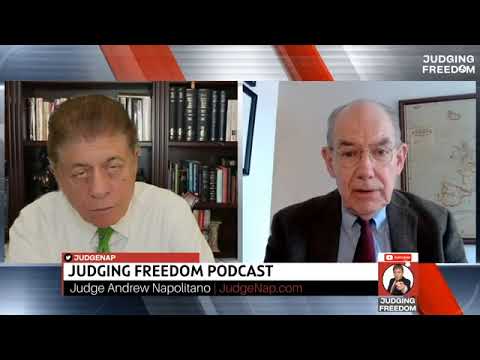
In a provocative digital discourse, political theorist John Mearsheimer makes unsettling comparisons between the current actions of the Israeli government and the atrocities committed during Nazi Germany. His remarks, presented in a recent video, have intensified discussions surrounding Israeli policies in Gaza and broader geopolitical ramifications.

Mearsheimer’s statements highlight a belief that Israeli leaders, specifically naming government officials like Itamar Ben Gvir and Bezalel Smotrich, advocate for what he terms a “genocidal policy” against Gazans. He criticizes these leaders for promoting the starvation of children as a means of warfare. Mearsheimer asserts that this behavior draws alarming parallels to the tactics employed by Hitler’s regime, which inflicted suffering on millions without moral accountability.
In the video, Mearsheimer emphasizes that the lack of protests among the Israeli public regarding these policies is equally troubling. He contends that the collective silence reflects complicity or apathy toward significant humanitarian crises unfolding in Gaza. He expresses disbelief that such a situation, reminiscent of one of history’s darkest chapters, could transpire in contemporary society.
The political backdrop of Mearsheimer’s commentary is deeply rooted in a long-standing conflict marked by significant historical grievances between Israel and Palestine. The current Israeli offensive in Gaza, following the outbreak of violence, has led to extensive humanitarian crises, raising international concerns. Advocates for Palestinian rights frequently criticize Israeli defense strategies, often asserting that these tactics evoke historical comparisons to oppressive regimes.
Moreover, Mearsheimer’s remarks were further magnified by statements made by a former member of the Knesset, aligning with his sentiments regarding the dehumanization of Gazans. The Knesset member asserted that all children in Gaza are perceived as enemies, perpetuating a cycle of violence and hatred. This mentality, he argues, is rooted in historical policies that have sought to define ‘the other’ in extreme and dehumanizing terms.
Critics of Mearsheimer argue that his comparison is overly simplistic and fails to acknowledge the complex dynamics of the Israeli-Palestinian conflict. Detractors also emphasize that such rhetoric can undermine constructive dialogue and perpetuate division rather than encourage peace and resolution. Supporters, on the other hand, believe this perspective sheds light on the urgent need for moral accountability and a reassessment of current political strategies in the region.
The implications of Mearsheimer’s claims extend beyond contentious discussions about human rights. They tap deep into the psyche of international relations, particularly regarding how nations respond to humanitarian crises. With calls for intervention or reevaluation of foreign aid and alliances, Mearsheimer’s discourse brings forth difficult questions: How should the international community respond when sovereign actions lead to severe human rights violations? And what consequences should exist for governments that enact aggressive policies against their perceived enemies?
As debates regarding Israel’s actions continue to intensify amidst ongoing violence, Mearsheimer’s remarks serve as a catalyst for broader conversations about the principles of warfare, humanitarian obligations, and moral conduct in political leadership. Whether one agrees or disagrees with his assessments, the dialogue about moral responsibility in geopolitical conflicts is vital and requires urgent attention.