
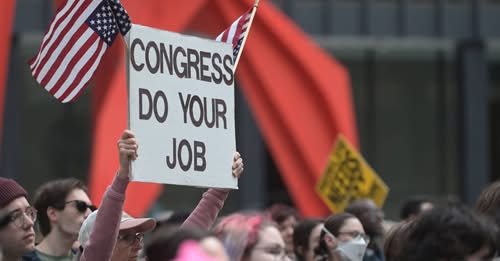
The political theater is heating up as congressional leaders diverge sharply over the nation’s next steps amid ongoing crises. A recent viral statement from the minority leader has ignited debate across social media about the role of Congress in matters of war, peace, and national recovery.
In a provocative statement that has quickly gained traction online, the minority leader declared, “If Donald Trump won’t dig us out of this hole, Congress must step into the breach and exercise its constitutional authority over matters of war and peace.” The comment underscores the frustration among many lawmakers and citizens who believe that the executive branch—particularly former President Trump, should he regain power—may not prioritize or adequately handle pressing national security issues.
While the context of the statement appears to be a critique of the current administration’s approach to international conflicts and domestic challenges, it also emphasizes the perceived need for Congress to reclaim its constitutional powers. Historically, the U.S. Congress has held authority over declarations of war, funding for military operations, and foreign policy oversight. However, in recent decades, many have argued that this authority has been increasingly ceded to the executive branch, particularly through executive orders and military interventions.
The viral social media post has sparked widespread discussion about this constitutional shift. Critics argue that, especially in times of crisis—whether due to military conflicts, economic hardships, or political instability—the legislative branch must activate its constitutional oversight role. Supporters of the statement believe that Congress has a duty to actively steer the country’s approach to war and peace rather than leaving such critical decisions solely to the presidency.
Political analysts note that such calls for Congress to assert its authority are not unprecedented. However, the current political climate—with its deep partisan divides—poses challenges to cohesive action. Many lawmakers express concern that partisan gridlock could hinder Congress from effectively stepping into the breach and exercising the oversight necessary to address national issues.
As this debate unfolds, voters and observers are watching closely. The statement is seen both as a critique of current leadership and a rallying cry for Congress to reclaim its constitutional responsibilities. In times of significant national security threats and shifting geopolitical landscapes, the call for congressional action highlights the enduring importance of the legislative branch in shaping U.S. foreign policy and ensuring balance of power.
Whether Congress will rise to this challenge remains to be seen. But one thing is clear: the discourse has revitalized discussions about the delicate balance of power in American governance, underscoring the importance of an active and assertive legislative branch in safeguarding democracy and national security.