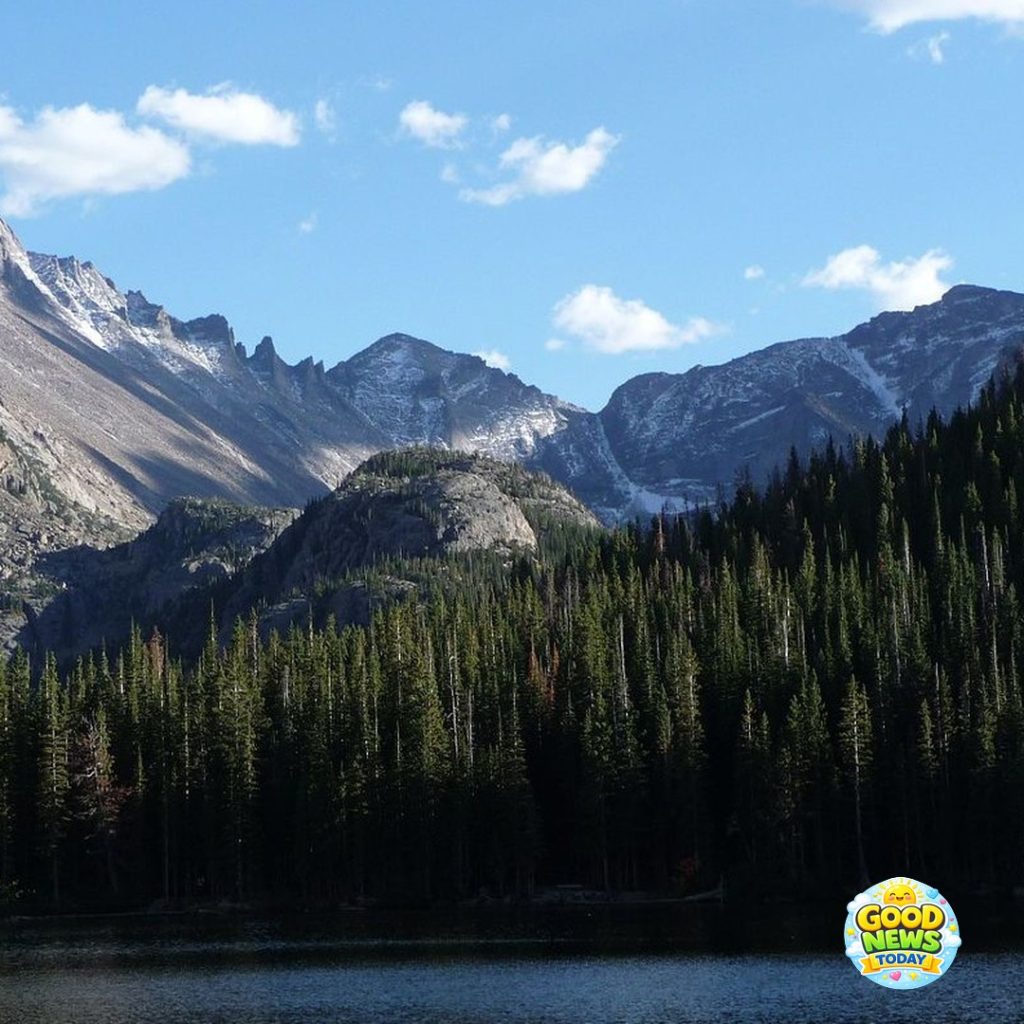
On this day, 111 years ago, Congress took a monumental step by enacting legislation that established Rocky Mountain National Park. This beautiful park encompasses over a thousand square kilometers of the stunning Front Range, and it was recognized as one of the earliest UNESCO Biosphere Reserves due to its vast expanses of pristine wilderness. Remarkably, the park connects two significant wilderness areas, making it a haven for diverse wildlife, including Canada lynx, foxes, elk, moose, mountain goats, bobcats, bighorn sheep, cougars, black bears, mule deer, various types of minks, wolverines, and coyotes.
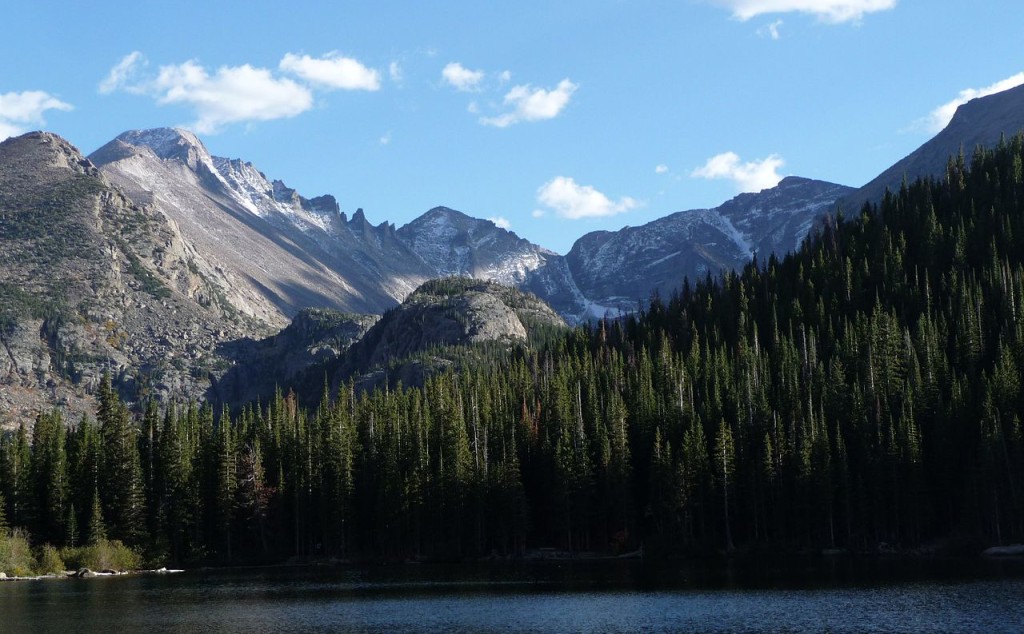
Rocky Mountain National Park ranks among the highest national parks in the United States, with elevations soaring from 7,860 to an impressive 14,259 feet (2,396 to 4,346 meters). Nestled among these majestic peaks are the headwaters of the Colorado River, along with approximately 450 miles (724 km) of rivers and streams flowing through the park.
The park is beautifully divided into five distinct regions, each showcasing unique features. The first region consists of flat terrain, meadows, and serene lakes. The second region comprises the alpine zone, while the third is a wilderness area located in the northern part of the park. Region four, often referred to as the “Heart of the Park,” is home to some of the most iconic scenery and easily accessible natural attractions. Finally, region five represents the backcountry, characterized by breathtaking waterfalls and several towering peaks that reach 14,000 feet.
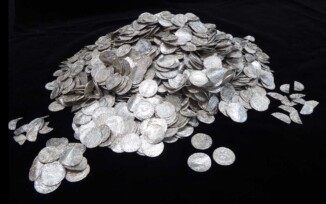
In addition to the establishment of Rocky Mountain National Park, there are other notable events worth celebrating on this date. Seven years ago, the Chew Valley Hoard was uncovered in the Bath countryside, making headlines as the most valuable coin hoard ever discovered by English metal detectors. This remarkable collection of 2,528 coins, minted during and after William of Normandy’s conquest of England, includes 1,236 coins featuring the seal of Harold II and 1,310 coins from William I. While the exact reason for burying the hoard remains a mystery, it is speculated that some coins were reused designs to evade taxes at the time.
According to the 1996 Treasure Act, museums can acquire such treasures at the value determined by the Treasure Valuation Committee. In this instance, the hoard was appraised at £4.3 million, with the landowner receiving half and the finders, along with their companions, sharing the other half. In October 2024, the South West Heritage Trust announced its acquisition of the coins for the nation, facilitated by significant funding, including support from the National Lottery Heritage Fund. After being showcased in the British Museum, these historical coins are now displayed at the Museum of Somerset.
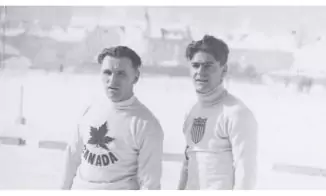
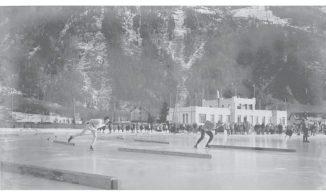
Moreover, this date marks a significant achievement in sports history. A remarkable 102 years ago, the first-ever Olympic gold medal in a winter sport was awarded to American speed skater Charles Jewtraw, who claimed victory in the 500m speed skating event at the inaugural Winter Games held in Chamonix, France. Completing the race in just 44 seconds, Jewtraw described his experience as “like a fairy tale,” having previously set aside his national competition aspirations to pursue higher education. Despite feeling unwell during his journey across the ocean, he triumphed and made history.