
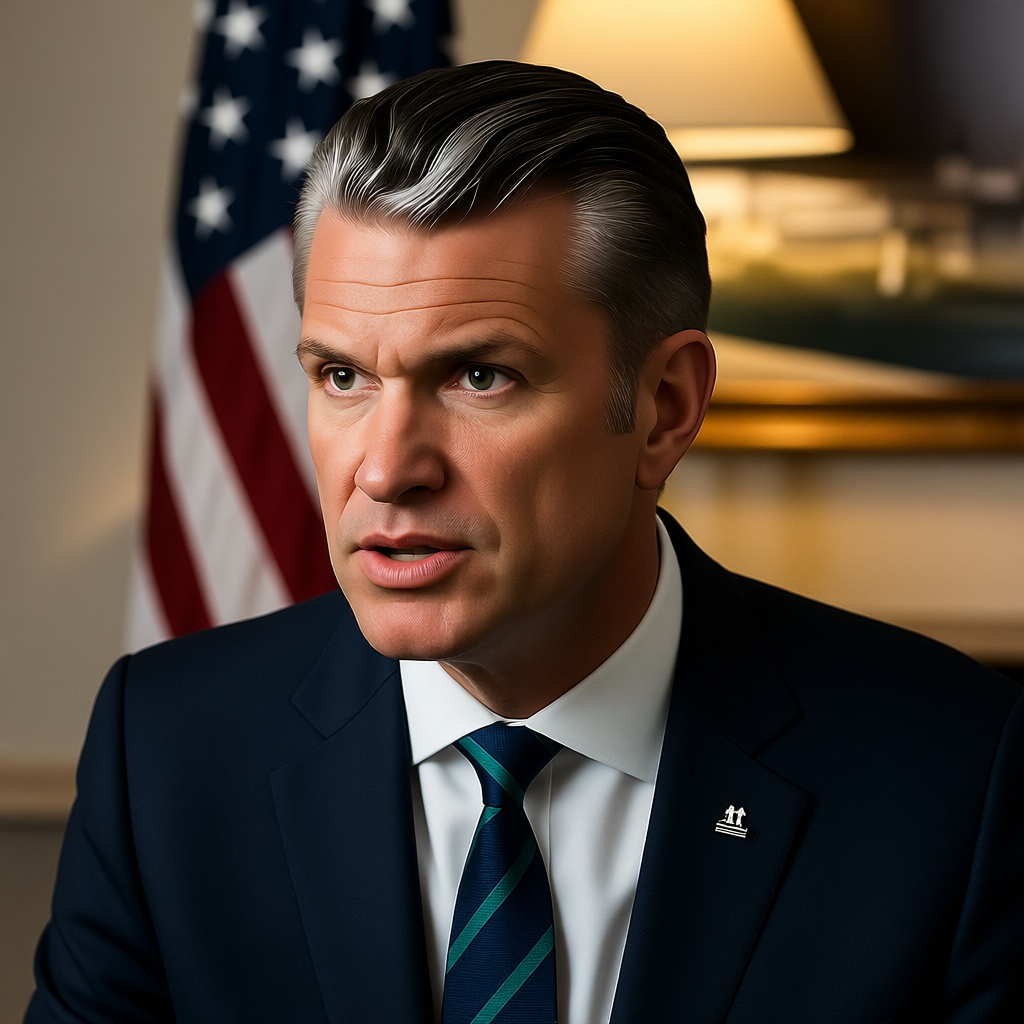
The recent social media post involving Secretary of War Pete Hegseth has ignited a heated debate across political and public spheres. The message, appearing as an image with bold text stating, “To leak sensitive national defense information is to betray our warriors and put them in danger,” has been widely circulated, prompting scrutinies about national security and the responsibilities of public officials.
Rep. Jim McGovern, a prominent Democratic figure, responded sharply to the message, questioning its tone and implications. In his tweet, he wrote, “You mean…”—a succinct but pointed remark suggesting skepticism or challenging the message’s severity. This back-and-forth highlights ongoing tensions between national security concerns and the political narratives surrounding leaks and transparency.
The controversy surfaces amid broader concerns over classified information leaks, which have historically endangered military operations and compromised national interests. Officials and security experts agree that safeguarding sensitive data is paramount to protecting American warriors and maintaining global stability. Leaks, whether intentional or inadvertent, are viewed as serious breaches with potentially deadly consequences.
However, critics argue that the line between necessary transparency and dangerous leaks can sometimes be blurry. Some suggest that whistleblower protections and freedom of information should be balanced carefully against national security needs. The debate intensifies when political figures publicly discuss leaks, as their words can influence public perception and policy responses.
The social media image, which appears to be a statement from possibly a government or military official, underscores the gravity with which national defense officials regard leaks. Such messaging echoes historical concerns, where disclosures of classified information have, in past instances, led to strategic setbacks or loss of lives among service members.
This recent exchange also raises questions about the role of public officials and how they communicate about sensitive topics in the digital age. As social media becomes an immediate platform for political messaging, the potential for misunderstandings or misinterpretations increases. Experts advise caution and responsible communication to prevent fueling misinformation or escalating tensions unnecessarily.
While the specifics of the leak and the context of the social media post remain opaque, the incident serves as a reminder of the delicate balance between transparency and secrecy in national security matters. As discussions continue, policymakers and security agencies are likely to reinforce protocols to prevent unauthorized disclosures, while public discourse will probably insist on accountability and safeguarding our service members.
Where to Learn More
- Understanding the Impact of Classified Leaks on National Security – National Security Agency
- The Politics of Leaks: What They Mean for America – CNN
- How Leaks Impact Military Operations and Security Protocols – The Washington Post
- Security Experts Weigh in on the Balance between Freedom and Secrecy – Reuters