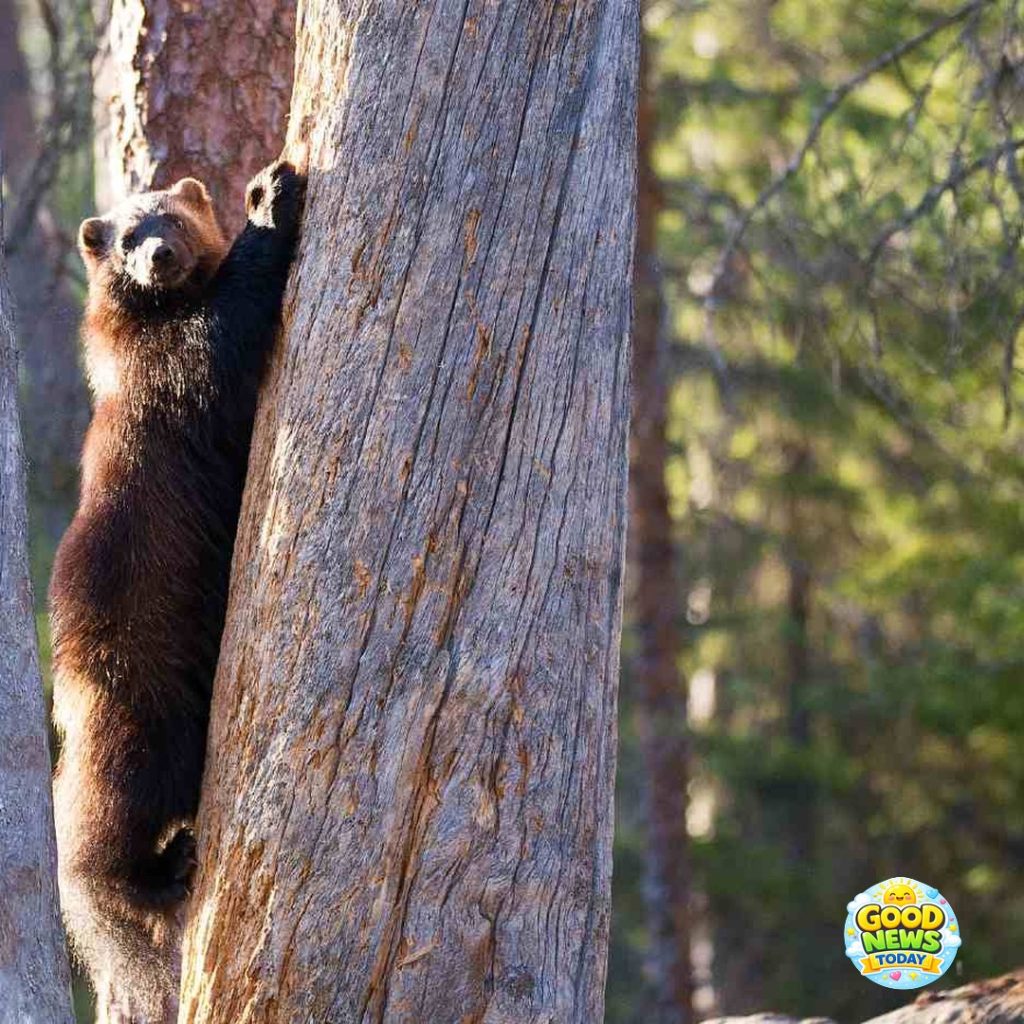
Exciting news for wildlife enthusiasts! Colorado wildlife officials are embarking on an ambitious journey to reintroduce the wolverine, a fascinating member of the weasel family, back into the state after a century-long absence.
Once hunted to extinction in Colorado, small populations of these solitary scavengers have managed to survive in regions like Idaho, Montana, Washington, and Canada. From there, they have gradually made their way south into Utah and northern Wyoming.
Colorado Parks and Wildlife (CPW) has announced plans to develop a comprehensive Colorado Wolverine Restoration Plan, which will be shaped by public feedback and input from stakeholders. This initiative follows the passage of legislation in 2024 that called for the restoration of this remarkable species.
“Colorado has fantastic habitat available for wolverines, and we have a unique chance to support the return of a species that once thrived here,” expressed former Republican Colorado Senator Perry Will, the legislator behind the original proposal.
The reintroduction plan will take into account essential details, such as the potential habitats for the wolverines, their sources, and the number of wolverines that can comfortably inhabit a designated area. Additionally, considerations for local ranchers will be addressed, ensuring they have options if wolverines interact with livestock.
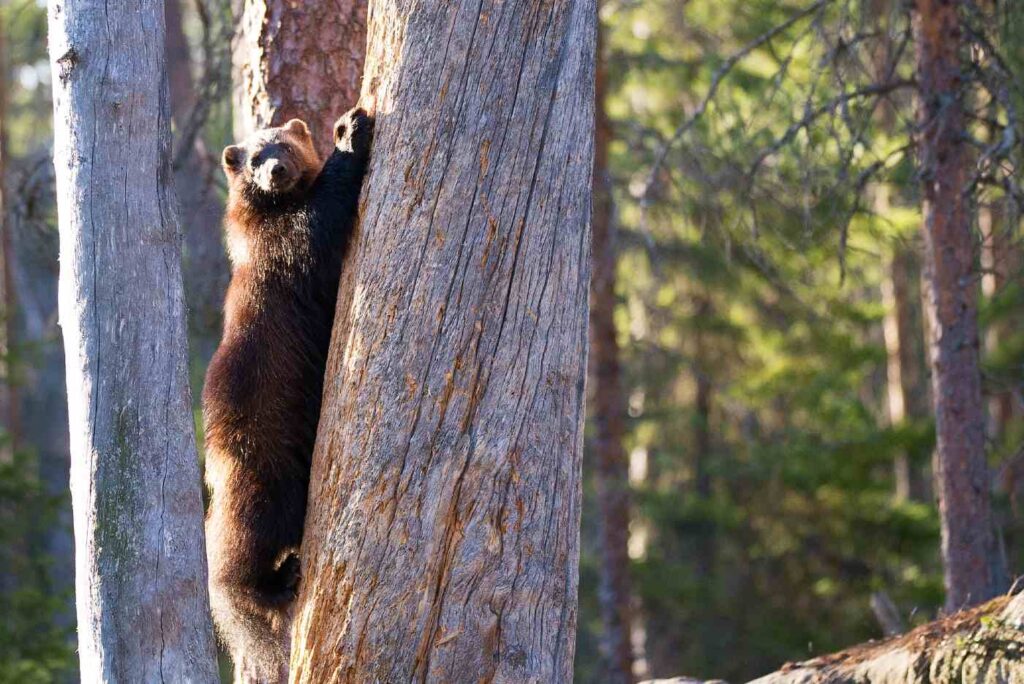
CPW emphasizes that wolverines thrived in Colorado for thousands of years, and the current ecosystem is well-equipped to support their return. Unlike the grey wolves, whose controversial reintroduction efforts began in 2020, CPW does not anticipate any livestock predation from wolverines. Weighing between 20 to 35 pounds, these strong yet solitary animals primarily scavenge for food rather than hunt.
“A structured reintroduction plan could see around 45 wolverines introduced, all with diverse genetic backgrounds. This strategy increases the likelihood of establishing a sustainable population far more effectively than relying on a lone male and female to find each other and reproduce,” explained CPW Wolverine Coordinator Dr. Robert Inman. “Overall, both Colorado and the wolverine population would benefit from a planned approach.”
The current proposal aims to establish three distinct populations in high elevation areas. The first would be located north of I-70 on public lands, including Rocky Mountain National Park. The second would be situated in the central region of the state, known as the Elk and West Elk Mountains, between I-70 and Highway 50. The third population would be in the beautiful San Juan Range in southwest Colorado.
CPW estimates that once the wolverine population is established, Colorado could support around 100 wolverines. This is largely due to the impressive territory an adult male wolverine can cover, sometimes stretching up to 500 miles.
“Wolverines naturally exist in low densities wherever they are found. While 50 to 100 wolverines may not seem substantial, it likely aligns with the historical capacity for this species in Colorado,” noted Inman. He added that there have never been more than a few thousand wolverines across the entire country, and this reintroduction would represent about a quarter of the population in the contiguous United States.
With this thoughtful and strategic approach, Colorado is taking a meaningful step towards restoring the wolverine population and enriching its natural heritage.