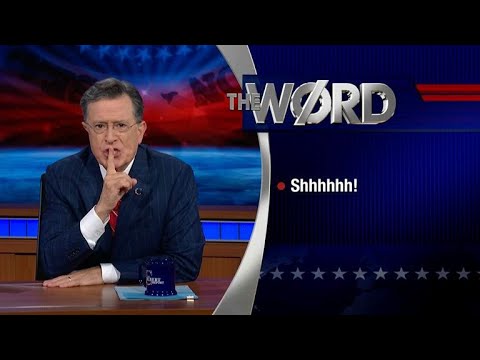
In a bold and humorous move, Stephen Colbert revealed a satirical angle in the latest episode of “The Late Show with Stephen Colbert,” appointing a fictional “ombudsman” to oversee the show’s liberal bias. This segment, titled “Shhhhhh!” features the host humorously addressing what he perceives to be an increasing pressure for media outlets to align with conservative viewpoints amid a politically charged climate.

Opening the segment with his characteristic flair, Colbert welcomed special guest “Stephen Colbear,” an exaggerated alter-ego donned with a conservative persona. This character was introduced as Colbert’s “identical cousin,” creating a playful critique on the necessity of a conservative presence in liberal media circles, alluding to recent developments in the broadcasting landscape. Colbert humorously comments on CBS’s decision to hire a conservative policy veteran to act as an ombudsman, ostensibly to ensure that the network’s programming does not clash with the ideological preferences of conservative regulators like FCC Commissioner Brendan Carr.
Colbert’s performance addresses a broader concern among entertainers and critics regarding freedom of expression in today’s media environment. With the backdrop of rising autocracy, particularly in the context of how journalists and comedians alike are navigating polarized political landscapes, Colbert’s antics shine a light on the self-censorship artists may feel pressured to adopt.
The segment notably employs sarcasm and playful exaggeration to critique the necessity of aligning with conservative ideologies for fear of retribution or backlash—prompting Colbert to question the authenticity of their creative processes. In the skit, the fictitious “Colbear” made a raucously over-the-top proclamation about “spanking” viewers with “freedom,” metaphorically reflecting a critique of those who might impose moralistic views onto media narratives.
Colbert’s approach is not merely for comedic effect; it serves as a commentary on the politics of content regulation. Such tactics underscore how comedians are increasingly balancing a tightrope between humor and political commentary, especially within tight frameworks imposed by corporate structures. This segment stands as a testament to Colbert’s ability to confront weighty subjects with wit while maintaining viewer engagement.
The reaction to Colbert’s segment has sparked discussions concerning the roles and responsibilities of late-night shows in shaping public discourse. Critics and supporters alike are weighing in on whether the appointment of an ombudsman—whether real or staged—represents a slippery slope or a necessary innovation in the realm of satirical comedy.
The show’s latest twist reinforces the idea that humor can serve as a foil in serious debates about media integrity, freedom of speech, and the preservation of artistic expression. While the concept of a conservative oversight may be ridiculous in a satirical context, it raises serious questions about the pressures media faces amidst a polarized political environment.
Where to Learn More
- CNN – Comprehensive coverage of political comedy and media trends.
- Politico – Insights into media dynamics and political influences on entertainment.
- The New York Times – Articles on late-night shows and their impact on public opinion.
- Rolling Stone – Critiques and reviews of comedic performances and political satire.
- NPR – Analysis of cultural commentary within political contexts.