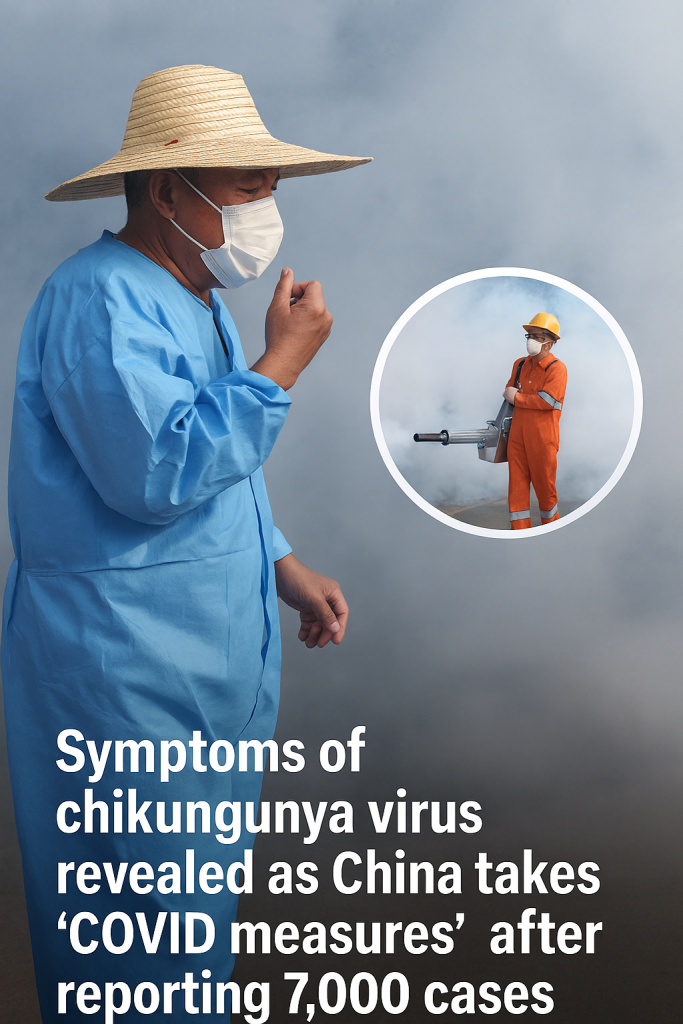
China is facing a concerning health development as authorities report over 7,000 confirmed cases of the chikungunya virus in 2024, prompting the government to implement stringent public health measures reminiscent of earlier pandemic protocols. The sudden surge has raised alarms due to the virus’s potential to cause significant morbidity and challenges in an already strained healthcare system.
Chikungunya Virus: What You Need to Know
Chikungunya is a mosquito-borne viral disease primarily transmitted by Aedes aegypti and Aedes albopictus mosquitoes, the same vectors responsible for dengue and Zika viruses. Once infected, individuals often experience intense joint pain, fever, rash, and muscle aches—symptoms that can be debilitating and last for weeks to months in some cases. Though rarely fatal, the virus can leave lasting impacts on mobility and quality of life.
Typical symptoms of chikungunya include:
- Sudden high fever
- Severe joint pain, especially in hands and feet
- Muscle pain and headache
- Fatigue and rash
The extent of joint pain is a hallmark of chikungunya, often described as disabling and leading to temporary immobility. This has heightened concern as China navigates this outbreak amidst ongoing vigilance regarding respiratory infections following the COVID-19 pandemic.
China’s Response: Revisiting Pandemic Protocols
In response to the growing numbers, Chinese officials have swiftly reintroduced a series of public health interventions that mirror some COVID-era strategies. These include enhanced mosquito control efforts, mandatory face masks in certain public indoor spaces, intensified screening procedures, and localized movement restrictions in high-risk areas.
Health authorities emphasize vector control as a top priority, launching aggressive campaigns to eliminate mosquito breeding sites such as standing water and enforcing community sanitation initiatives.
The Chinese government also urged citizens to take personal prevention measures seriously, including using mosquito repellents, wearing long-sleeved clothing, and installing screens on windows and doors. Public awareness campaigns are running nationwide to educate on identifying symptoms early and seeking medical advice promptly.
An Outbreak with Global Implications
The chikungunya outbreak in China is notable not only for its scale but also its timing. This surge in cases is unfolding against the backdrop of fluctuating international travel and global health vigilance post-COVID-19. Experts warn that such arboviral diseases, which are climate and vector-dependent, could increasingly cross borders, especially with warmer temperatures promoting mosquito proliferation.
While chikungunya has historically been endemic to parts of Africa, Asia, and the Indian subcontinent, its recent rise in China signals the need for enhanced surveillance and preparedness to prevent wider regional spread.
Healthcare providers nationwide are being advised to consider chikungunya in patients presenting with febrile illness and joint pain, ensuring timely diagnosis and management. Although there is no specific antiviral treatment for the virus, supportive care—such as pain relief and hydration—is critical to patient recovery.
Looking Ahead
As China manages this emerging public health challenge, the intersection of vector-borne diseases and pandemic preparedness offers important lessons for the global community. The chikungunya outbreak underscores the importance of comprehensive public health infrastructure that can rapidly pivot to multifaceted threats, including mosquito-borne viruses alongside respiratory pathogens.
For individuals, staying informed and practicing preventive measures remains essential. The Chinese experience with chikungunya this year highlights how quickly viral outbreaks can disrupt lives