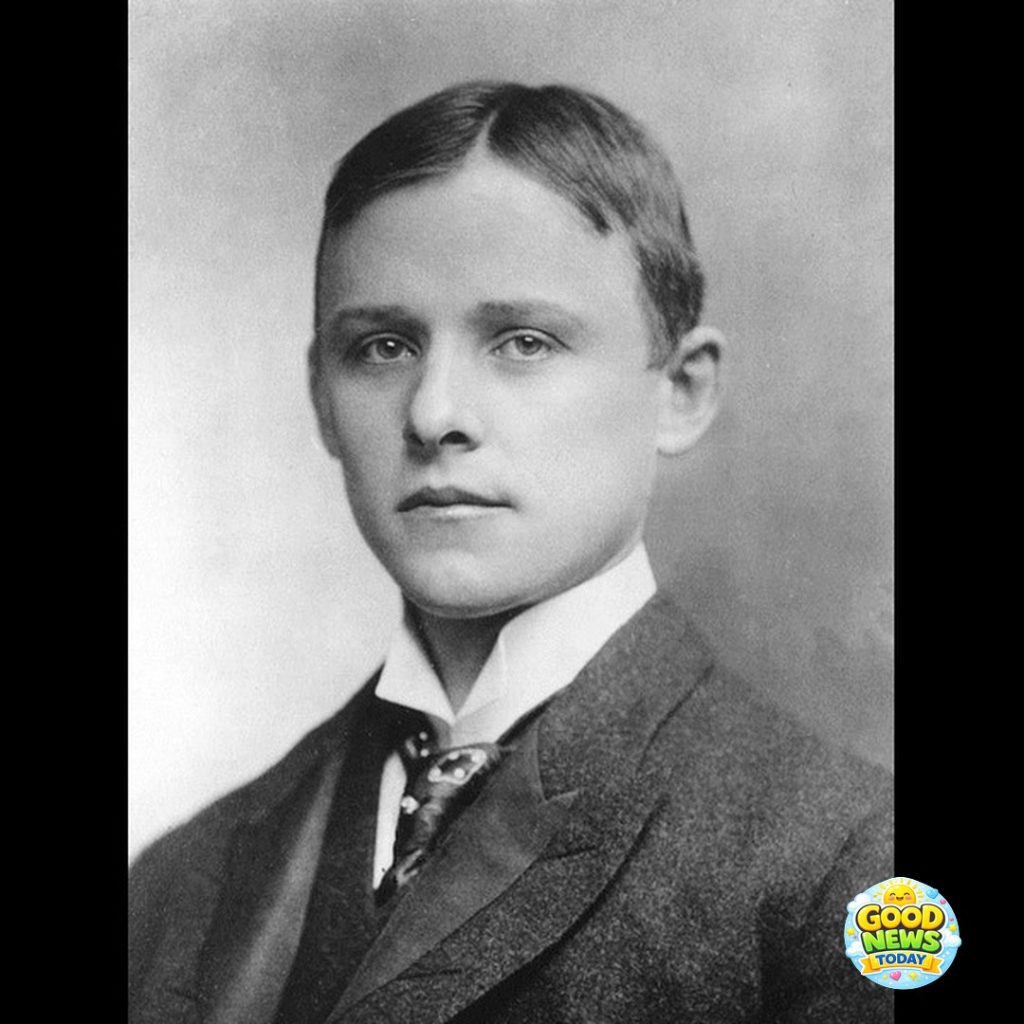
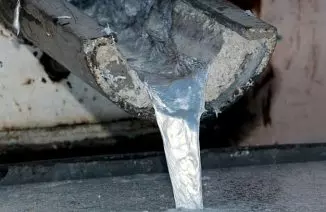
On this day, we celebrate a remarkable breakthrough that took place 140 years ago when American inventor Charles Martin Hall utilized electrolysis to extract aluminum from aluminum oxide. This innovative process dramatically lowered the price of aluminum by a staggering factor of 200, making it accessible for a wide range of practical applications—from the aluminum cans we use today to the historic Wright Flyer. Once thought to be mere grains of dirt by medieval alchemists, aluminum has now become a cornerstone of modern manufacturing, with its production surpassing that of all other non-ferrous metals combined.
The fascinating history of aluminum is punctuated by a whimsical tale from ancient Rome, where the author Petronius shared a story about an Emperor who, upon receiving a cup made of this unfamiliar metal, was initially dismissive. However, when he discovered the cup’s durability and the ability to reshape it with a hammer, his curiosity sparked. The smith, an inventor of aluminum, boasted of his exclusive knowledge of its production, which led the Emperor to order his execution to protect the value of gold.
During the Middle Ages, aluminum—then referred to as alum—was a rare and highly prized metal. The Ottoman Empire enforced hefty export taxes on it, and the discovery of large reserves in Italy was so significant that it was deemed “the death of the Turk.” This prompted the Pope to prohibit its importation from the Ottomans, instigating a trade war. Despite the efforts of numerous esteemed chemists over the years to synthesize aluminum, it wasn’t until 300 years post-discovery that Friedrich Wöhler successfully isolated it in a relatively pure form, albeit at a cost twice that of gold. Even Napoleon recognized its value, using aluminum utensils for his distinguished guests instead of gold.

It was only two decades after Hall’s groundbreaking electrolysis method, which he developed in the 1880s—simultaneously discovered by Paul Héroult in France—that aluminum began to permeate everyday life. Hall’s contributions through the American Aluminum Company not only revolutionized the industry but also brought him significant wealth.

As a testament to his impact, Hall later became one of Oberlin College’s most notable benefactors, and an aluminum statue of him stands proudly on campus. Known for its lightweight nature, Hall’s statue has become part of campus folklore, often moving locations due to playful student pranks. Today, it is securely placed on a large granite block on the second floor of Oberlin’s science center, where students continue to celebrate Hall with festive decorations during holidays and special occasions.

Additionally, we reflect on another inspiring milestone that occurred seven years ago when 71-year-old Roy Hodgson became the oldest manager to lead a Premier League football club, guiding Crystal Palace to a resounding 4-1 victory over Leicester City. Hodgson concluded his illustrious 48-year career in top-level management in 2024 at the club where it all began—the south London club Crystal Palace.