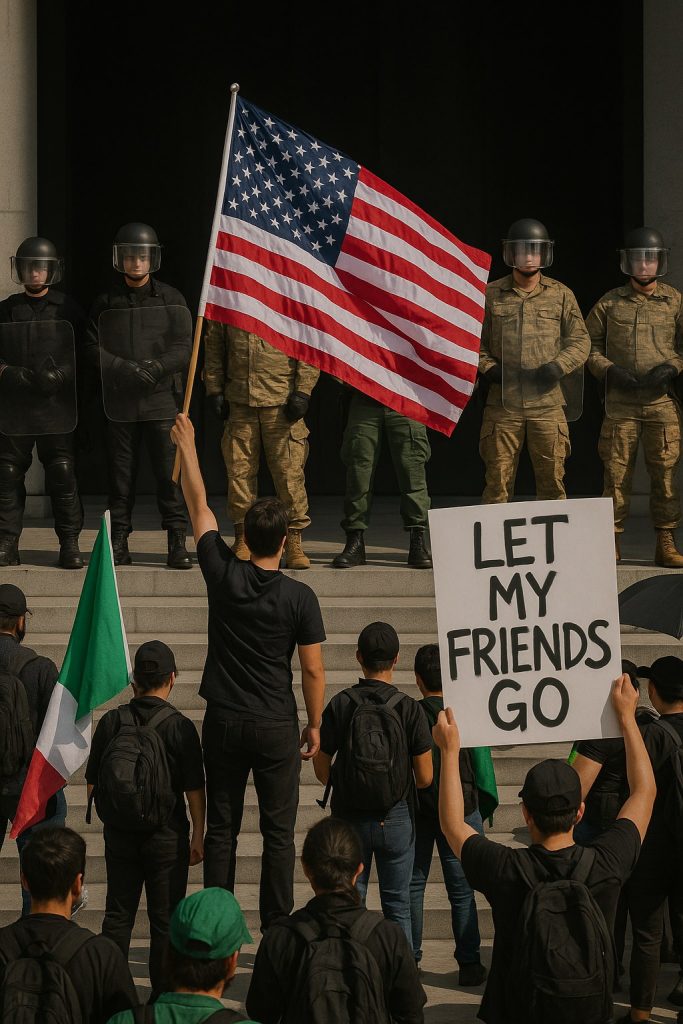
In a political climate fraught with conflicting ideologies, the notion of playing by the rules has come under intense scrutiny, particularly among citizens frustrated by the current administration’s approach to governance. Social media platforms have exploded with commentary surrounding the sentiment: “It makes little sense to play by the rules when we have a president who doesn’t even think there are rules.” This phrase encapsulates a growing disillusionment felt by many voters, raising vital questions about accountability, integrity, and the very foundation of democratic norms.
The phrase has resonated particularly well within younger demographics active on platforms like Twitter and TikTok, where discussions of political integrity are rampant. Critics argue that when those in power openly disregard established rules and norms, it sets a dangerous precedent for both governance and civic participation. The feeling is that adhering to traditional political etiquette, which includes decorum, transparency, and adherence to the law, seems futile when leadership exemplifies the opposite.
For many, the frustration stems from a perception of double standards. While citizens are expected to abide by laws—traffic regulations, tax obligations, and social conduct—the leaders making those laws appear to engage in behavior that often defies them. This disconnect is magnified in the digital age, where instances of perceived rule-breaking are instantaneously shared, dissected, and debated online.
Recent events have further fueled this conversation. From controversies surrounding changes in policy to allegations of unethical conduct, many feel that the administration dismisses established norms that were once considered sacrosanct in the political arena. The rationale behind the sentiment of rule-breaking conjures a feeling among constituents that if the leaders themselves operate outside the bounds of the law, there is little incentive for the public to comply with the rules either.
Critics and public figures have used this opportunity to delve deeper into discussions about civic responsibility and the need for integrity in leadership. Political analysts argue that the erosion of trust in institutions linked to this cavalier approach to governance jeopardizes the democratic fabric of the nation. Furthermore, they warn that this phenomenon risks engendering a cycle of cynicism that could dissuade civic engagement altogether.
While some support the existing administration and argue that it represents a necessary shake-up in a system they perceive as antiquated, many contend that true change must originate from accountability and adherence to the principles the country was built upon. Thus, the argument emerges that true progress requires both the public and elected officials to operate within the same moral and legal framework.
As this dialogue continues to unfold, it remains to be seen how public perception may evolve in the coming months and years. Yet one thing stands clear: the intense debate surrounding the concept of rules—and who gets to decide whether they matter—will remain a central theme in American political discourse. Voters will undoubtedly be watching closely, hoping for a return to a standard where integrity is not just expected of leaders but is also championed and upheld.
Where to Learn More
- The Rules We Agree To Follow – The Atlantic
- The Presidency and The Erosion of Norms – The New York Times
- Rules of the Game: A Political Crisis – The Washington Post
- Politics as Usual Isn’t Working – The Daily Beast