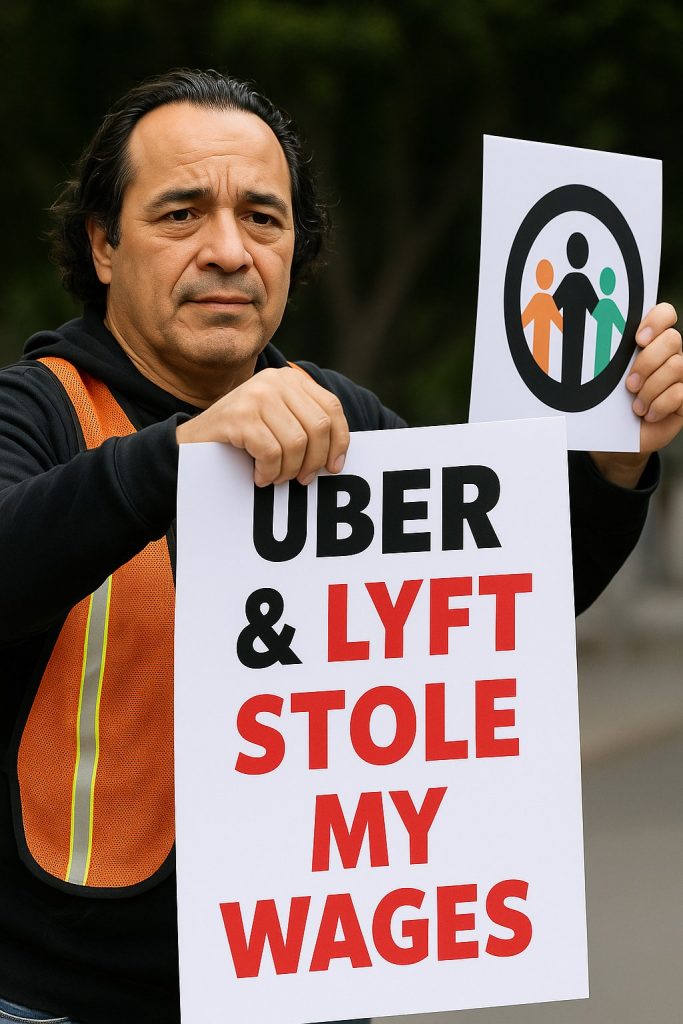
In a groundbreaking move that could reshape the labor landscape in America, California is leading one of the largest unionization efforts in U.S. history, particularly within the rideshare industry. This initiative has sparked conversations across the nation about the potential benefits of union representation for gig workers, providing a pathway for more states to consider similar measures.
David Madland, a senior fellow at the Center for American Progress, emphasizes the significance of California’s policy in a recent article for Governing. He argues that by setting this precedent, California not only strengthens workers’ rights but also introduces a new paradigm for gig economy jobs that have long lacked adequate labor protections.
The state’s latest regulation is poised to empower rideshare drivers by allowing them to organize, negotiate better wages, and secure essential benefits, marking a historic shift in how gig workers are treated. With an increasing number of people relying on ridesharing services as a primary source of income, the need for adequate labor protections has never been more pressing.
Currently, many gig workers operate as independent contractors, a classification that often leaves them without benefits such as health insurance, retirement savings, and paid leave. California’s new policy addresses these inequities head-on, encouraging more robust rights for those in the gig economy. By enabling union representation, California seeks to eliminate the “sole proprietor” model that has dominated the rideshare sector, effectively transforming the industry.
Moreover, the implications of this movement could extend beyond California’s borders. As Madland points out, the success of California’s initiative could inspire other states to follow suit, potentially sparking a wave of unionization across various industries that rely on gig workers. “The ride-sharing industry is just the beginning. Other sectors like food delivery and home services are also ripe for similar unionization efforts,” he notes.
While critics of unionization often argue that it could lead to increased costs for consumers and companies, advocates contend that fair wages and benefits lead to better work conditions and, ultimately, a more reliable service for customers. As the gig economy continues to evolve, the need for a framework that balances the needs of workers, consumers, and companies becomes increasingly vital.
This historic push in California serves as a call to action for policymakers in other states. With rising economic inequality and the precarious nature of gig work, the urgency for effective labor legislation has never been clearer. As Madland asserts, “If California can successfully implement this initiative, it can act as a model for the nation, demonstrating that worker protections and economic innovation can go hand in hand.”
As the nation watches closely, California’s actions may well dictate the future trajectory of labor rights in the United States, encouraging other states to draw inspiration and take similar measures to support the millions of gig workers striving for better conditions and fair treatment.
Where to Learn More
- California Will Revolutionize Rideshare Industry With New Union Policy – Governing
- The Rideshare Union Push: What You Need to Know – The New York Times
- The Gig Economy and the Future of Work – Brookings Institution
- Gig Workers Are Trying to Unionize: The Challenges They Face – CNBC
- Why Gig Workers Launched a Unionization Push – Reuters