
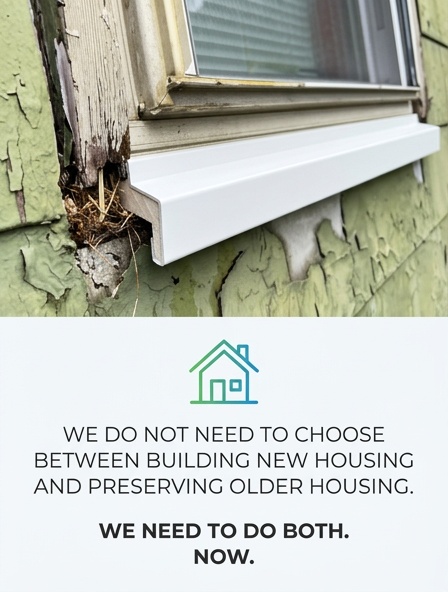
As cities across the country face mounting housing shortages and rising living costs, a common debate has emerged: Should communities prioritize constructing new housing developments or focus on preserving their historic, older homes? The answer, experts say, is neither—or better yet, both. It’s time for policymakers, developers, and residents to recognize that the dual goals of building new housing and safeguarding historic neighborhoods are not mutually exclusive but deeply interconnected.
Historically, many urban areas have faced challenges balancing growth with preservation. Critics of new development often decry the loss of architectural heritage, while proponents argue that new housing is essential to meet the demands of a growing population. But recent conversations—amplified by social media and community forums—highlight a shift toward a nuanced understanding: we do not need to choose between these priorities; we must pursue both simultaneously.
Building new housing is vital. Data shows a clear need: the U.S. is experiencing a sustained housing shortage, especially in major metropolitan areas where job opportunities are concentrated. Delays in development, zoning restrictions, and community opposition often stall new projects, exacerbating affordability crises. Innovative construction techniques, such as modular housing and dense urban infill, can help ramp up supply without sprawling into green spaces.
At the same time, preserving older housing stock maintains the cultural fabric and unique identity of neighborhoods. Historic buildings add character, foster community pride, and can even boost local economies through tourism. Preservation supports sustainability by reusing existing resources, reducing waste, and minimizing environmental impact compared to new construction.
What’s crucial now is integrating these approaches. During urban planning discussions, cities are increasingly adopting strategies like adaptive reuse—converting old buildings into modern apartments—allowing for new housing in the heart of historic districts. Such initiatives not only meet housing needs but also preserve architectural heritage, creating vibrant, mixed-use neighborhoods that blend the old and new seamlessly.
Some communities have pioneered successful models, demonstrating that both objectives are achievable. For instance, in Portland, Oregon, developers combine historic preservation with innovative infill projects to create affordable homes while maintaining the city’s distinctive character. These projects forge a path forward that respects history without hindering growth.
Secretary of Housing and Urban Development, Dr. Jane Wilson, emphasizes that “we must adopt a comprehensive housing strategy—one that values the preservation of our history alongside the urgent need to provide affordable, accessible homes for all.” This mindset calls for policies that break down the false dichotomy and foster collaboration across disciplines.
Ultimately, the message is clear: now is the time to act. We must invest in building new, sustainable housing options while preserving the irreplaceable character of our older neighborhoods. Both are critical threads in the fabric of vibrant, resilient communities. Moving forward, embracing this dual approach will help create cities that are not only functional but also rich in history and culture.
Where to Learn More
- How Preserving Historic Buildings Boosts Communities – Architectural Digest
- HUD’s Approach to Sustainable Housing Development – U.S. Department of Housing and Urban Development
- Balancing Historic Preservation and Urban Growth – CityLab
- Affordable Housing and Preservation Strategies – National Association of Community Health Centers
- Urban Infill and Adaptive Reuse – Project for Public Spaces