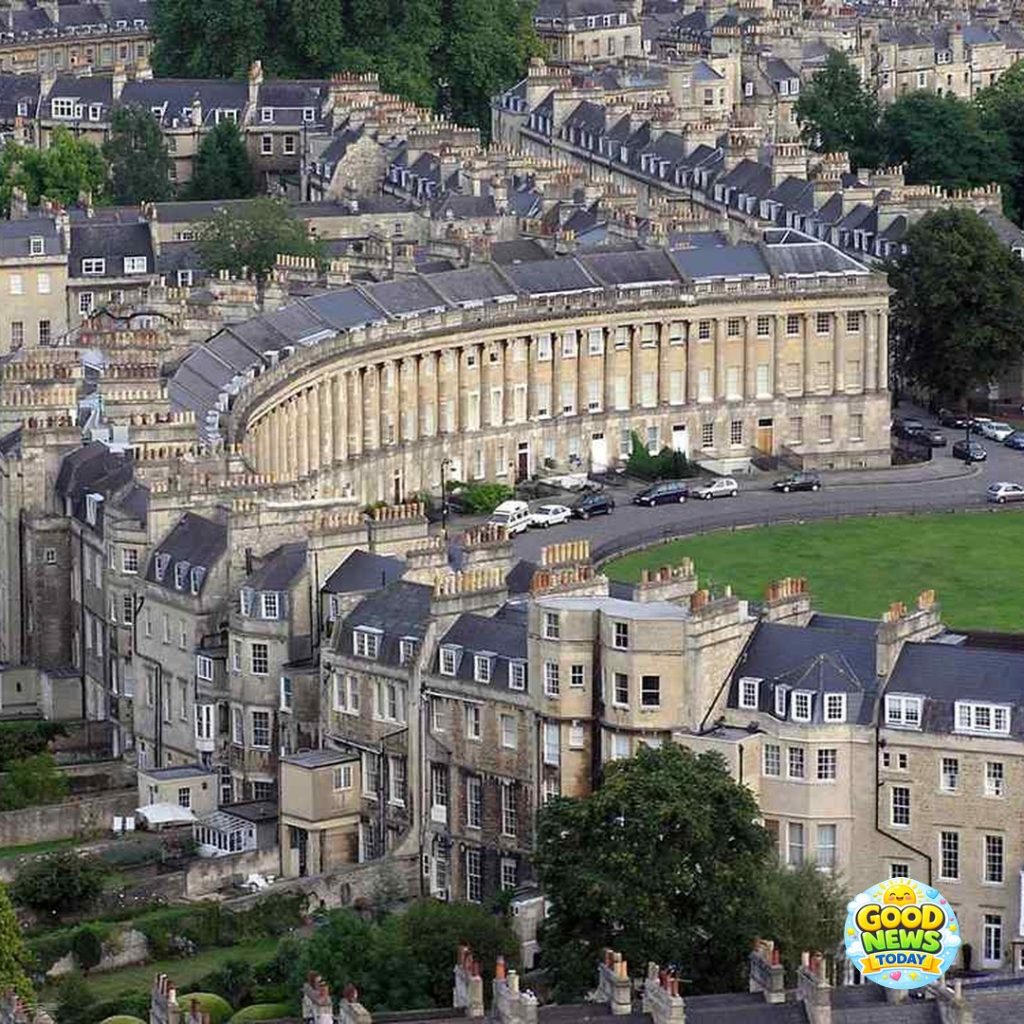
On this day, we celebrate the remarkable legacy of John Wood the Younger, a celebrated British architect born 298 years ago, who significantly transformed the skyline of Bath. Renowned for his masterpieces, including the iconic Royal Crescent and the Circus, Wood elevated Bath into one of the most enchanting urban landscapes in Britain. His greatest achievement, the Royal Crescent, features a stunning row of 30 terraced houses arranged in a graceful curve, showcasing the elegance of Palladian architecture and recognized as one of the finest examples of Georgian design outside of London.
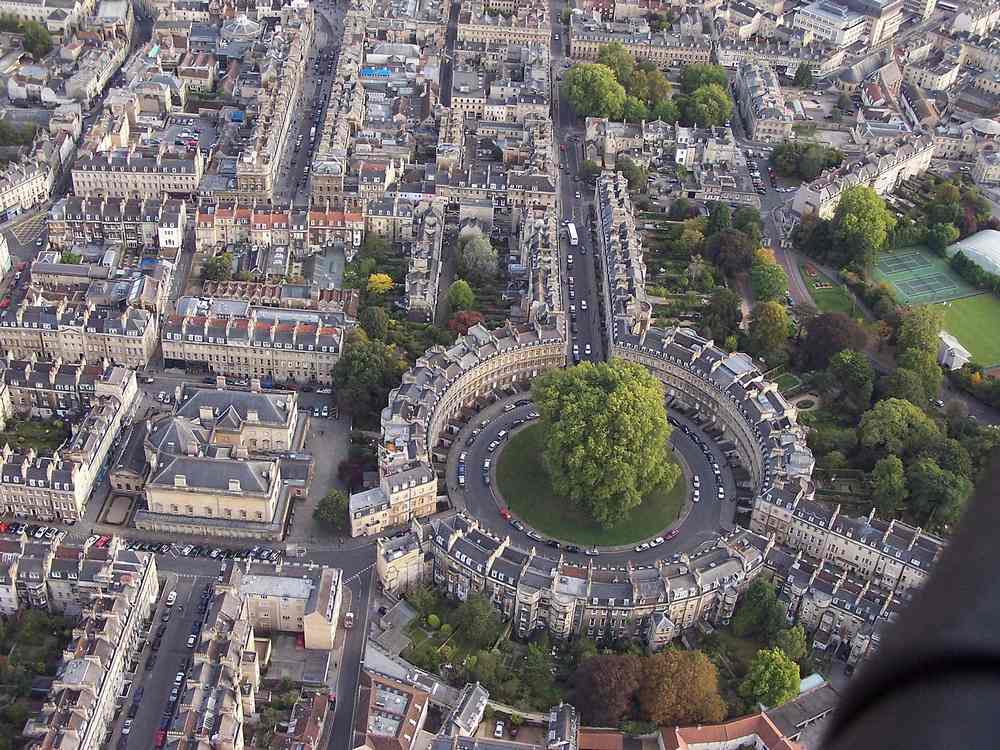
The city of Bath derives its name from its beautifully preserved Roman public baths, a historical treasure that inspired generations of architects. This architectural heritage was further enriched during the Middle Ages and Early Modern period by skilled British builders, including John Wood the Elder. With a passion for druidism and freemasonry, Wood the Elder designed several residential landmarks, such as Queen Square and the Circus, although he passed away before witnessing the completion of the latter.

His son, John Wood the Younger, took up the mantle, finishing the Circus according to his father’s vision. He then crafted Gay Street, a charming row of Georgian houses that connects the Circus—a circular arrangement of elegant mansions—to Queen Square, which was also designed by his father. Interestingly, John Wood the Younger resided at 41 Gay Street, while the beloved author Jane Austen called number 25 her home.

The Royal Crescent, Gay Street, and the Circus form the architectural trifecta that defines Bath’s city center. However, it is the Royal Crescent that truly stands out, featuring an impressive 500-foot-long (150 m) façade adorned with 114 Ionic columns on the first floor. Each original homeowner purchased a segment of the façade and hired their architect to customize the house behind it, resulting in a fascinating variety where what appears to be two separate homes may actually be one.

This unique approach to town planning reveals itself at the back of the Crescent, where the symmetry is replaced by an eclectic mix of roof heights and window designs, often described as “Queen Anne fronts and Mary-Anne backs.” The Royal Crescent was the first of its kind, embodying the concept of “rus in urbe,” or the country within the city, as it offers beautiful views of the adjacent parkland.

In front of the Royal Crescent lies a charming ha-ha, a cleverly designed ditch that maintains an unobstructed view of Royal Victoria Park. Its vertical stone face on the inner side and sloped, turfed outer face create an effective yet discreet separation between the upper and lower lawns, enhancing the picturesque landscape.
Adding a touch of modern celebrity to this historic site, legendary comedian John Cleese, one of the six members of Monty Python, still resides in the Crescent, bridging Bath’s illustrious past with its vibrant present.