
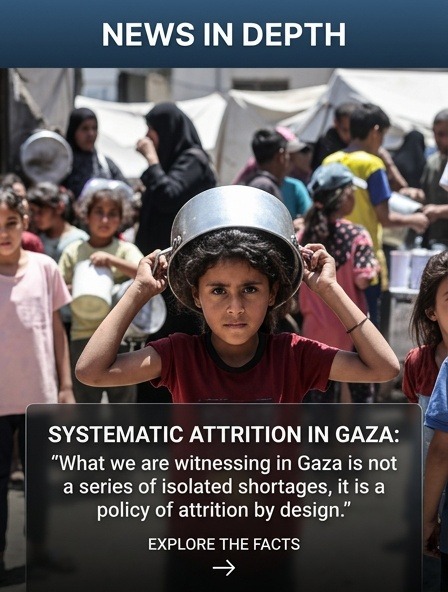
The ongoing situation in Gaza has captured the world’s attention, with countless reports highlighting severe shortages of basic supplies—food, medicine, water, and fuel. While these shortages are often described as tragic and dire, a growing chorus of voices on social media and in analytical circles suggests that what we are witnessing is not merely a series of isolated crises, but a **deliberate strategy of attrition by design**.
Many analysts and human rights advocates argue that the persistent and escalating shortages in Gaza are part of a calculated policy aimed at gradually breaking down the resilience of its population. This perspective challenges the narrative that these shortages are accidental or solely the result of external blockades. Instead, it presents them as part of a broader, systematic effort to exert pressure, weaken resistance, and achieve specific political objectives.
These claims gain weight when examining the consistent patterns over months. Critical infrastructure—power grids, water supplies, healthcare facilities—have faced relentless disruptions, often with coordinated service cutoffs or restrictions. International aid agencies warn that these tactics are exacerbating suffering and could constitute a form of collective punishment, which is prohibited under international law.
“What we are witnessing in Gaza is not a series of isolated shortages,” one analyst explained on social media. “It’s a carefully crafted strategy of attrition by design. Each restriction, each cut, aims to erode the social fabric and push the population toward surrender or capitulation.”
Some experts point to the history of such tactics in conflict zones—where economic and infrastructural pressures are used as leverage rather than purely military action. The goal, they argue, is to break public morale and political cohesion without resorting to full-scale military invasion.
International responses remain divided. While many condemn the ongoing humanitarian crisis and demand immediate relief, others assert that these restrictions are a justified response to security concerns or political goals. But critics warn that ignoring the underlying strategy risks perpetuating suffering and prolonging the cycle of conflict.
Humanitarian organizations are calling for increased transparency and accountability, emphasizing that these shortages are having a devastating impact on civilians, many of whom are already vulnerable. The international community faces the urgent challenge of addressing not just the humanitarian emergency but also the strategic implications behind it.
As the situation unfolds, it is crucial for observers and policymakers alike to recognize the distinction between accidental shortages and those manufactured by external policies. A failure to do so risks enabling continued suffering and undermining efforts toward a just resolution in Gaza.
In the end, understanding the motives behind these shortages is essential for crafting effective responses and advocating for the humane treatment of Gaza’s civilians. The world must scrutinize whether these hardships are truly unavoidable or part of a calculated political strategy—underlining the importance of comprehensive, informed engagement.
Where to Learn More
- Israeli Policies in Gaza: Derelict Targeting of Civilians – Human Rights Watch
- Gaza: Examining the Strategy of Attrition – Amnesty International
- Gaza Crisis: Experts Say It’s a Policy of Attrition – Al Jazeera
- Analysis: How Strategic Blockades Are Causing Systematic Suffering in Gaza – The New York Times
- Gaza Under Siege: The Political and Humanitarian Toll – BBC News