Recent archaeological discoveries shed light on a fascinating aspect of ancient Andean civilizations: seabird guano, a nutrient-dense fertilizer, played a pivotal role in the prosperity of pre-Incan societies.
According to archaeologist Dr. Jacob Bongers, this unexpected revelation illustrates how fertilizer was a significant source of power in ancient cultures. The challenging farming conditions along Peru’s coast, one of the driest places on Earth, made nutrient-rich soil a precious commodity, as even irrigated lands could quickly deplete.
The guano harvested from nearby offshore islands offered a potent, renewable resource that enabled farmers in the Chincha Valley to cultivate maize, a crucial staple in the Americas, on a large scale. “Guano dramatically increased maize production, which was essential for the economic growth of the Chincha Kingdom. This surplus not only fueled their trade and wealth but also contributed to population growth and enhanced their influence in the region, while establishing strong ties with the Inca Empire,” shared Dr. Bongers from the University of Sydney.
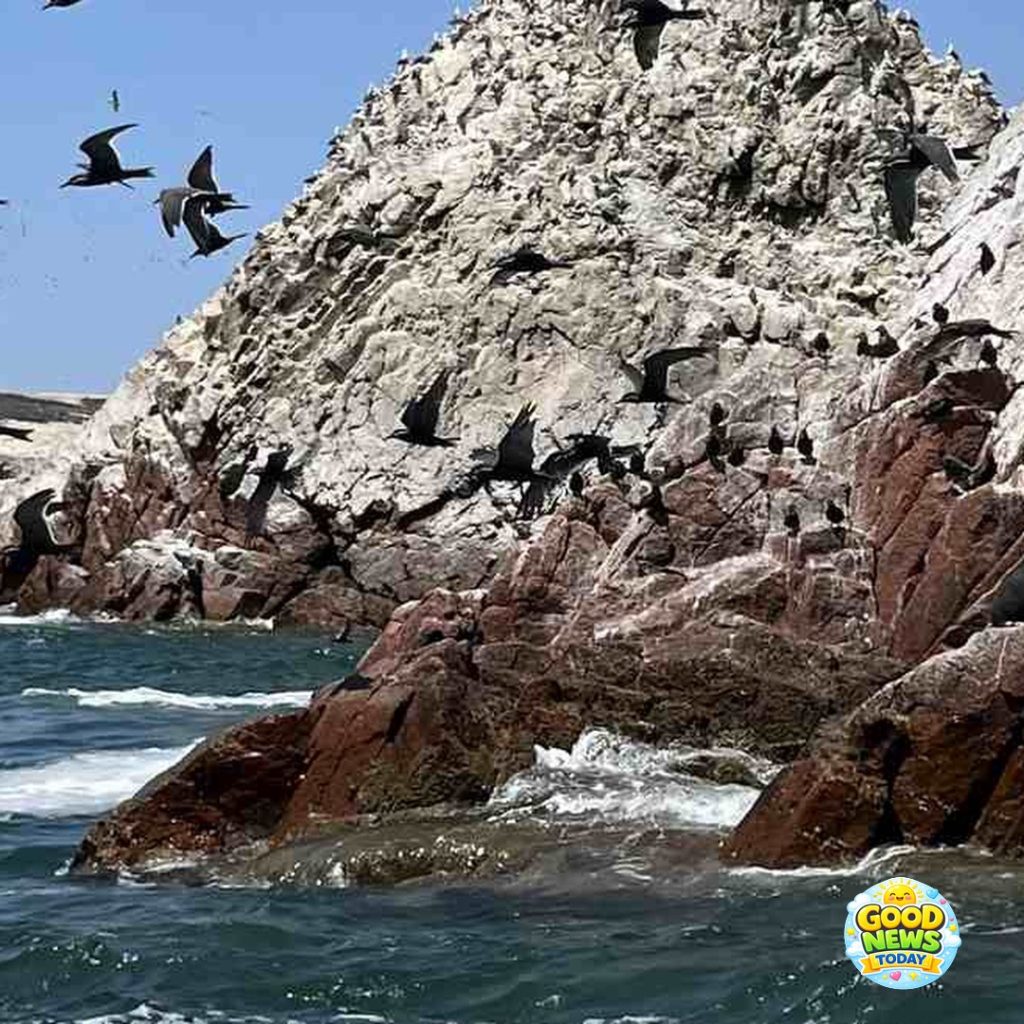
In a study published in PLOS One, Dr. Bongers and his team analyzed biochemical signatures found in 35 maize samples excavated from burial sites within the Chincha Valley, a thriving coastal community that may have housed around 100,000 individuals. The chemical analysis indicated remarkably high nitrogen levels in the maize, far exceeding what the local soil could naturally provide, suggesting that the crops were fertilized with seabird guano, rich in nitrogen due to the birds’ marine diets.
“The guano was likely sourced from the nearby Chincha Islands,” Dr. Bongers noted. “Historical documents indicate that communities from coastal Peru and northern Chile would travel to these islands on rafts to collect the guano for fertilization purposes.”
Additionally, researchers explored regional archaeological artifacts showcasing seabirds, fish, and sprouting maize together in textiles, ceramics, pottery, wall carvings, and paintings. This evidence further emphasizes the cultural significance of both seabirds and maize in these ancient societies.
“The combination of chemical and material evidence we examined confirms previous studies indicating that guano was intentionally collected and used as fertilizer,” Dr. Bongers explained. “It also suggests a deeper cultural connection, highlighting how these communities celebrated, protected, and ritualized the important relationship between seabirds and agriculture.”
This agricultural abundance supported a range of specialists, including merchants, farmers, and fisherfolk, allowing the Chincha people to emerge as prominent coastal traders. The Inca, who established the largest native empire in the Americas prior to European contact, were particularly fond of maize, using it to brew ceremonial fermented beer known as ‘chicha’.