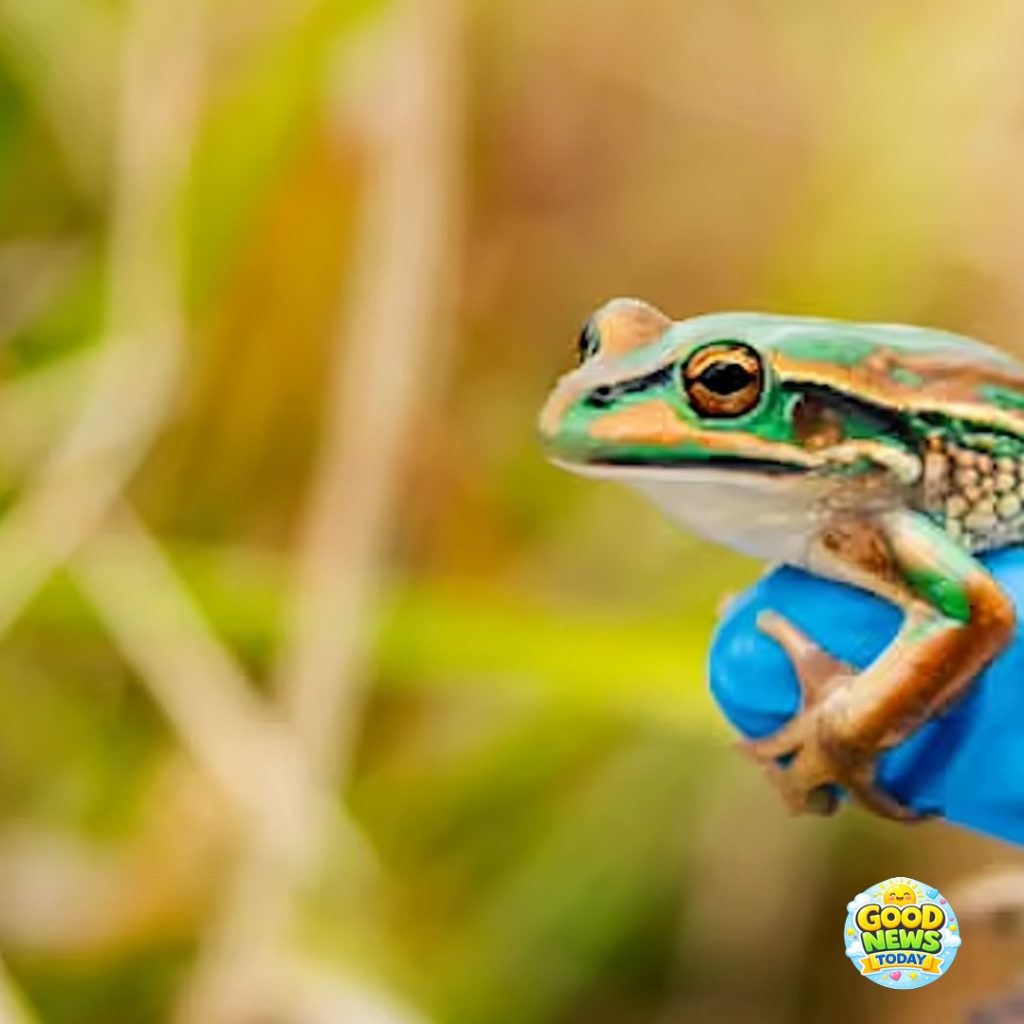
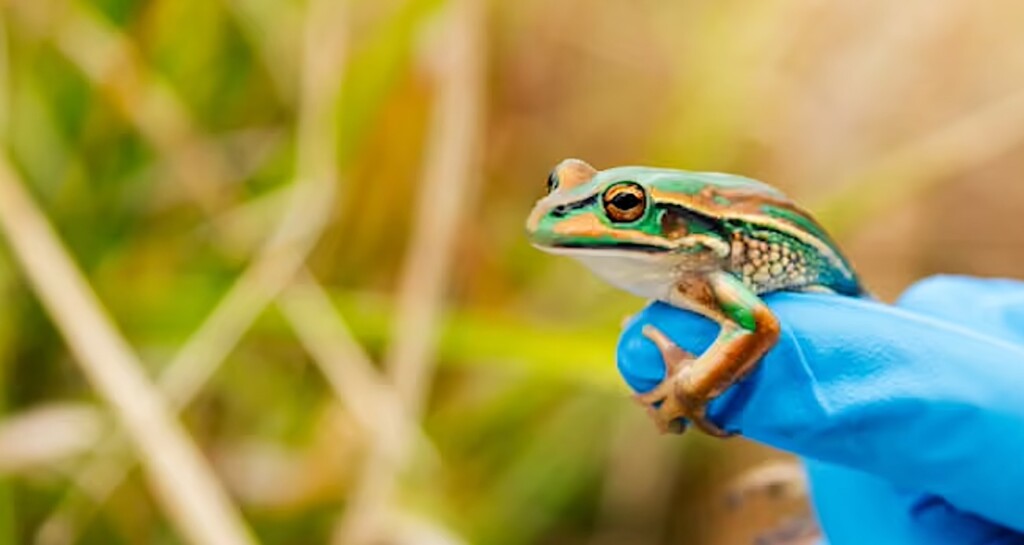
This stunning amphibian is making a triumphant return to the wetlands surrounding Canberra, the capital of Australia, after facing a significant population decline due to the chytrid fungus.
Known as the green and golden bell frog, these remarkable creatures were bred in captivity and will be released in groups of 15 into carefully chosen ponds and wetlands, having received immunization against the harmful disease linked to the fungus.
As part of their reintroduction, the frogs will also be set free in areas equipped with innovative “frog saunas.” These unique structures consist of piles of black bricks topped with rigid plastic sheets, creating cozy shelters. The design allows the frogs to take refuge while providing warm temperatures that are detrimental to the chytrid fungus.
The chytrid fungus has led to numerous extinctions and population declines worldwide, but scientists are now gaining insights on how to safeguard amphibians from its effects.
Fortunately, the green and golden bell frogs have managed to avoid this fate, and researchers at the University of Canberra are excited to see them reintegrated into their natural habitat. This process has been likened to watching children leave home for the first time, according to Associate Professor Simon Clulow.
He noted that it’s “quite incredible,” especially since the species is believed to have gone extinct in the Australian Capital Territory (ACT) around 1981.
In total, 180 frog saunas have been established around the ponds designated for the release of over 300 captive-bred frogs. Each female frog has the potential to lay approximately 8,000 eggs in a single breeding season, suggesting that the population could grow rapidly. However, the offspring will not have immunity to the chytrid fungus, making the saunas an essential resource for their survival.
Clulow explained, “The pathogen itself is quite susceptible to elevated temperatures—it doesn’t thrive at temperatures above 25°C; 27 or 28°C is deadly for it.” He also pointed out that many Australian frogs, including the green and golden bell frog, prefer warmer conditions, ideally around 30°C (approximately 88°F).
Beyond the ACT, these frogs have survived in isolated pools with slightly saline water, making them ideal relocation sites dubbed ‘frog spas,’ thanks to their warm and slightly salty environment complemented by the sauna facilities.
The ambitious goal is to establish a population of around 200 frogs in each of the 15 designated ponds.
Let’s celebrate these beautiful frogs and their inspiring journey back from the brink of extinction!