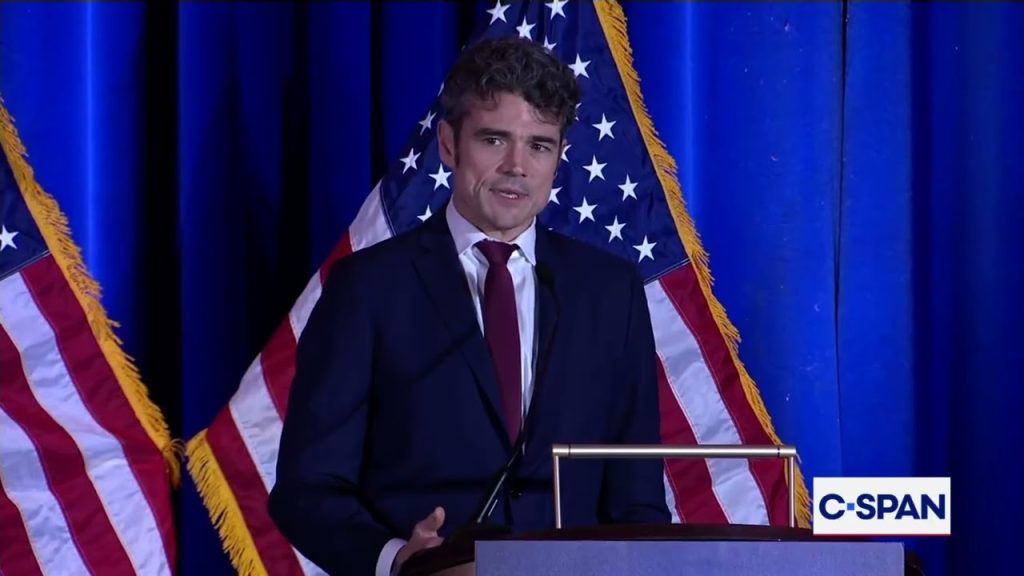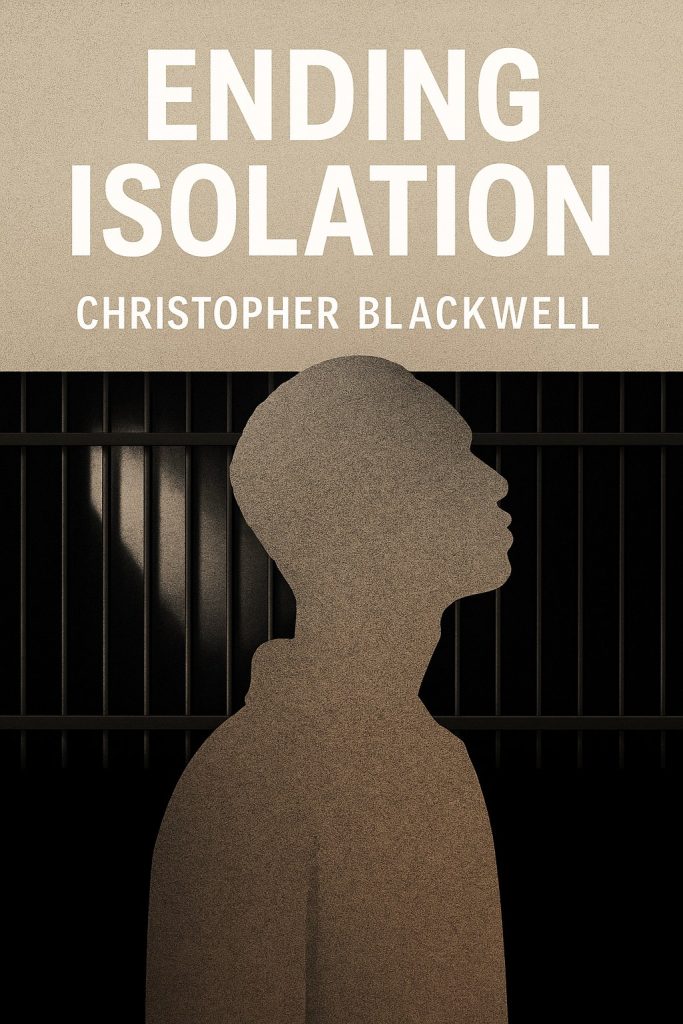
In a powerful new work, ‘Ending Isolation’, author Christopher Blackwell boldly confronts the inhumane conditions faced by incarcerated individuals subjected to solitary confinement in prisons across the United States. Drawing on a wealth of research and personal accounts, Blackwell’s book sheds light on a practice often hidden from public scrutiny but laden with profound psychological and social ramifications.
Solitary confinement—a technique employed to isolate prisoners from the general population—has sparked heated debates among advocates, lawmakers, and mental health professionals. Advocates argue that these practices contribute to mental deterioration, exacerbating existing issues and causing new psychological difficulties. In ‘Ending Isolation’, Blackwell critically examines these consequences, illustrating the urgency of reform needed within the penal system.
Blackwell’s journey into this controversial topic began with his years of advocacy for prison reform, where he witnessed firsthand the devastating effects of isolation on inmates. He narrates the experiences of individuals who have spent years, sometimes decades, in solitary confinement—cut off from human contact, social interactions, and even basic mental health support. The book includes harrowing personal stories that highlight the struggle for dignity amid harsh and sometimes brutal conditions.
Throughout the pages of ‘Ending Isolation’, readers will find compelling statistics revealing the staggering prevalence of this practice. According to data from the Bureau of Justice Statistics, over 80,000 prisoners are held in solitary confinement on any given day in the U.S. Alone in a cell for 23 hours a day, these individuals often face sensory deprivation, which can lead to severe emotional distress, depression, anxiety, and even self-harm.
One of the book’s more provocative claims suggests that solitary confinement not only affects the incarcerated but also poses broader risks to society. “When we punish people by isolating them, we only serve to reinforce cycles of trauma and violence,” Blackwell shares. “Many of those released from these conditions return to society with their mental health unaddressed, potentially leading to reoffending.”
In an effort to offer solutions, ‘Ending Isolation’ discusses alternative approaches successfully implemented in various correctional facilities, such as therapeutic units and restorative justice programs. Blackwell emphasizes the need for a paradigm shift in our understanding and treatment of incarcerated individuals, urging policymakers, law enforcement, and the general public to adopt more humane methods.
As communities around the nation grapple with the effectiveness and ethical implications of their criminal justice systems, ‘Ending Isolation’ serves not only as a call to action but as an essential read for anyone interested in social justice. Blackwell’s message is clear: it is time to recognize the humanity in those behind bars and take deliberate steps towards reforming the system that often punishes rather than rehabilitates.
In an age of heightened awareness around mental health and human rights, Blackwell’s work provides a timely and invaluable perspective on the critical need for change within the U.S. prison system. ‘Ending Isolation’ is poised to spark conversation and inspire action, as it highlights that the fight for humane treatment in prisons is far from over.
Where to Learn More
- What is Solitary Confinement? – ACLU
- Criminal Justice Reform: A NAMI Perspective – NAMI
- The Toll of Solitary Confinement – The Marshall Project