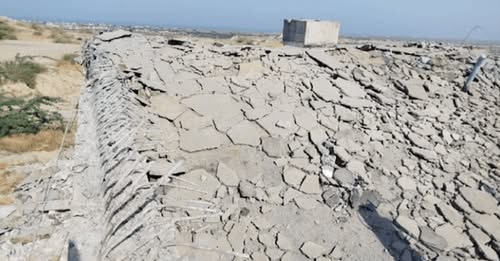
In recent days, social media platforms have been flooded with discussions surrounding the controversial targeting of civilian water facilities in conflict zones. While the debate about whether such actions constitute war crimes continues, experts agree on one point: attacking water infrastructure poses an enormous danger beyond legal debates.
Water is a lifeline, especially in war-torn regions. Civilian water facilities—whether they supply drinking water, sanitation, or irrigation—are critical to the health and stability of affected populations. When these facilities are deliberately targeted or hit unintentionally during conflict, it can lead to catastrophic humanitarian crises, including the outbreak of water-borne diseases, dehydration, and broader public health emergencies.
Recent strikes on water infrastructure have sparked widespread condemnation. Human rights organizations warn that such actions could violate international law, specifically the Geneva Conventions, which protect civilians and prohibit the destruction of essential civilian infrastructure. However, the primary concern voiced by analysts is the immediate danger these strikes pose to civilian populations. Cutting off access to clean water amplifies suffering and can prolong conflicts, making peace negotiations more difficult.
Military strategists, meanwhile, argue that some actors justify targeting infrastructure as a means of weakening the enemy. Yet, experts point out that intentionally hitting civilian water facilities blurs the lines of ethical warfare and risks escalating violence. Moreover, even accidental damage to such facilities can have devastating consequences, often affecting millions of innocent civilians with little regard for the grim humanitarian fallout.
International observers have raised alarm about the dangerous precedent set by such actions. The destruction of vital civilian infrastructure prolongs crises, fuels displacement, and often leads to an increase in refugee flows. Critics emphasize that *the strategic objective should never come at the expense of civilian lives or well-being*. In densely populated areas, the repercussions are even more severe, adding long-term instability to already fragile regions.
As social media campaigns gain momentum and global attention intensifies, the call for accountability grows louder. Governments and international bodies are urged to uphold international law and prioritize civilian safety over military gains. At the same time, humanitarian organizations stress the importance of protecting water infrastructure to safeguard vulnerable populations from further suffering.
In conclusion, while the question of legality remains complex, the consensus among many experts is clear: attacking civilian water facilities is an incredibly dangerous move. It risks not only legal repercussions but also worsens the humanitarian toll of conflicts—an outcome that neither military strategic interests nor moral considerations should justify.