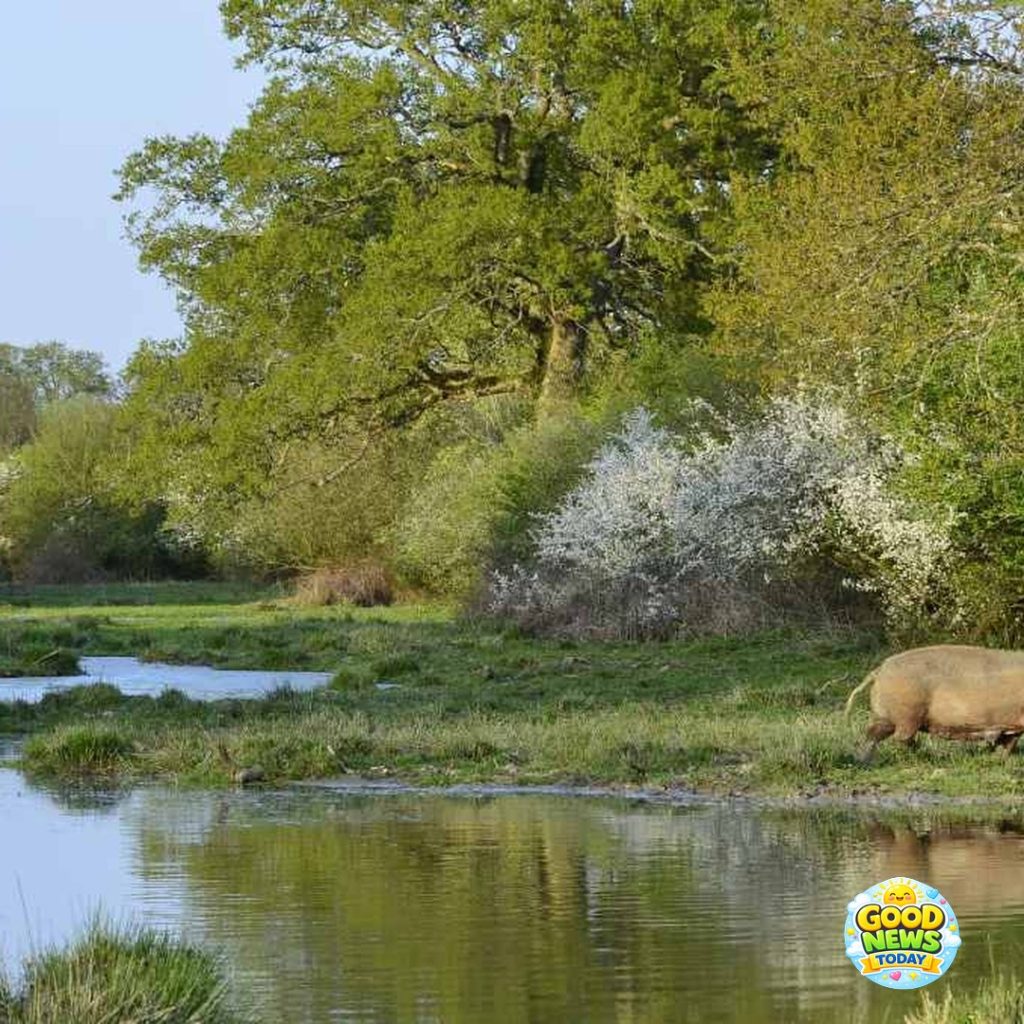
Birdwatchers are thrilled by the remarkable sights they are witnessing through their binoculars on a small plot of land in West Sussex, England, where the country’s leading rewilding initiative is achieving extraordinary results.
The Knepp Estate has seen a phenomenal rise in breeding birds, jumping from just 55 individuals representing 22 species in 2007 to an astounding 559 individuals of 51 species in 2025, according to a recent survey.
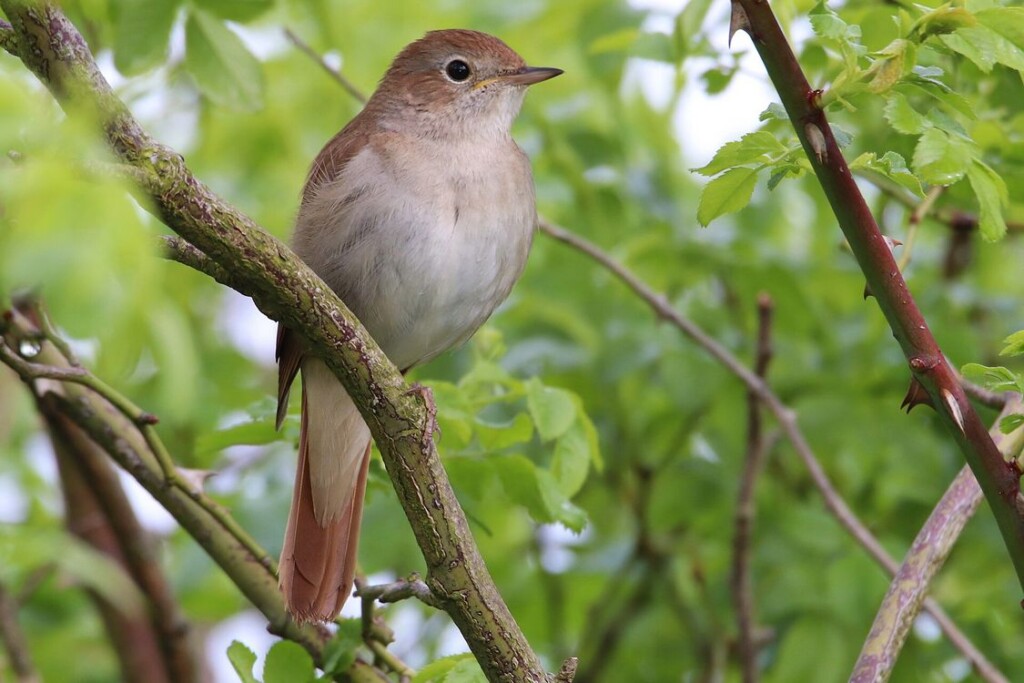
Among these species, over a dozen are at risk of extinction in the UK, and this petite estate now hosts 1% of the entire British nightingale population.
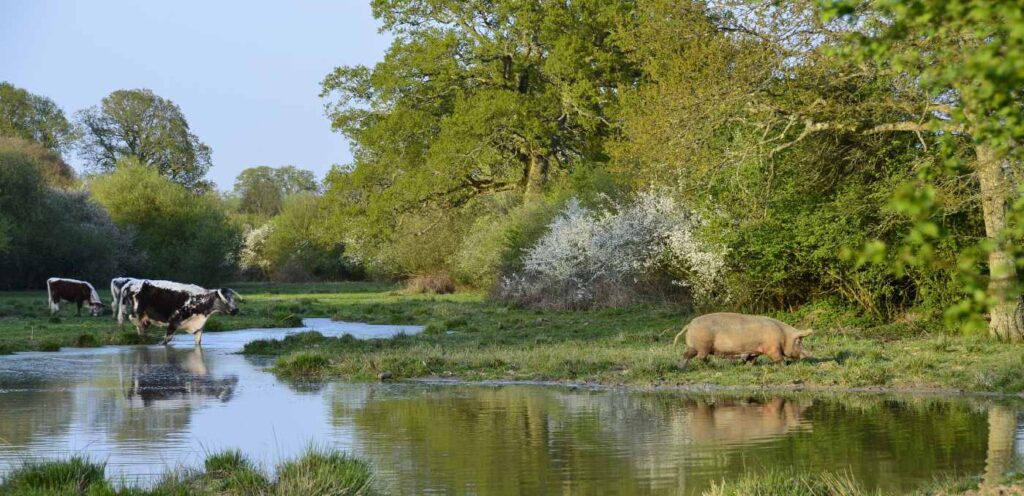
Spanning a modest 3,500 acres of previously barren farmland just 41 miles from London, the Knepp Estate is the brainchild of owners Charlie Burrell and Isabella Tree. In 2000, they opted for a transformative approach following years of unsuccessful farming.
The rewilding efforts at Knepp have resulted in one of the most biodiverse regions in Britain, achieved by “taking our hands off the wheel,” as Tree expressed in 2021. The estate is now a sanctuary for nearly all English megafauna and is home to Europe’s rarest mammal, the barbastelle bat.
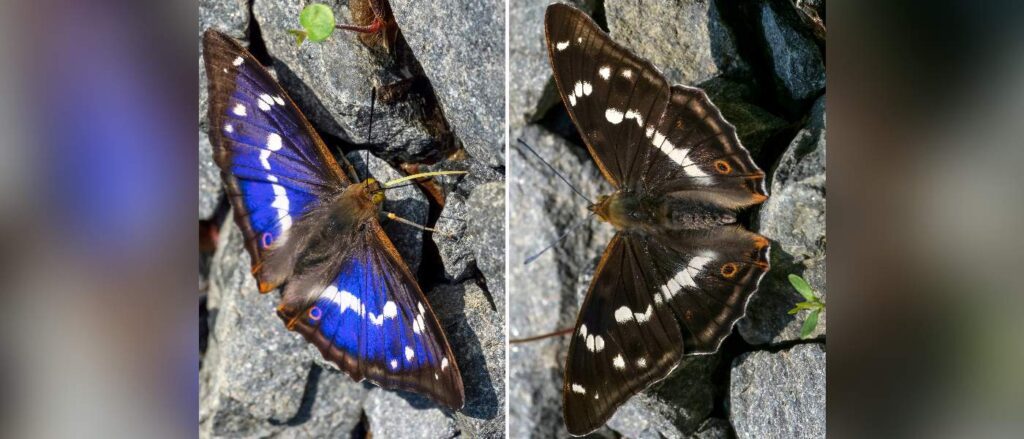
Among the unique avian residents are turtle doves, peregrine falcons, white storks, and all five species of owls native to Great Britain. One summer, the Butterfly Conservatory even recorded an impressive count of 87 male purple emperor butterflies—an exceptional sight anywhere in England.
At the core of the Knepp Estate is the River Adur, which was restored to its natural state in 2011 with assistance from the British government. This restoration involved removing four weirs and filling in agricultural drainage canals, allowing the river to flow freely once again.
The revitalized wetlands surrounding the river provide a habitat for wading birds, amphibians, water insects, sea trout, and other fish, along with vital endangered wetland plants like the black poplar.
For Charlie and Isabella, the financial challenges they faced have vanished just like their previously unproductive fields. Their estate not only manages the herbivore population through free-range organic wild meat but also offers camping and “glamping” experiences in shepherd’s huts, yurts, and treehouses. They also provide safari tours, fishing opportunities, photography workshops, and rewilding courses.
OTHER REWILDING SUCCESSES:
Having recently celebrated 25 years of management, this latest review of bird populations offers a heartwarming snapshot of the couple’s journey, showcasing how even a small piece of land, when returned to its natural habitat, can significantly influence the broader conservation landscape.
Insects are thriving as well; the previously mentioned purple emperor butterflies saw a single day count reach an impressive 283 individuals in 2025. Additionally, dragonflies and damselflies experienced an incredible 871% increase from 2005 to 2025, with species diversity rising by 53%. The red-eyed damselfly alone soared by 2,000% in just five years.
Visitors frequently share delightful encounters with wildlife, such as witnessing a white-tailed eagle being harassed by kites or spotting beavers mingling with wading storks along the River Adur.