Exciting news is emerging from Mexico as archaeologists have made a remarkable discovery: a 1,400-year-old tomb adorned with stunning murals and carvings that are incredibly well-preserved. This find is being hailed as one of the most significant archaeological breakthroughs in the past decade.
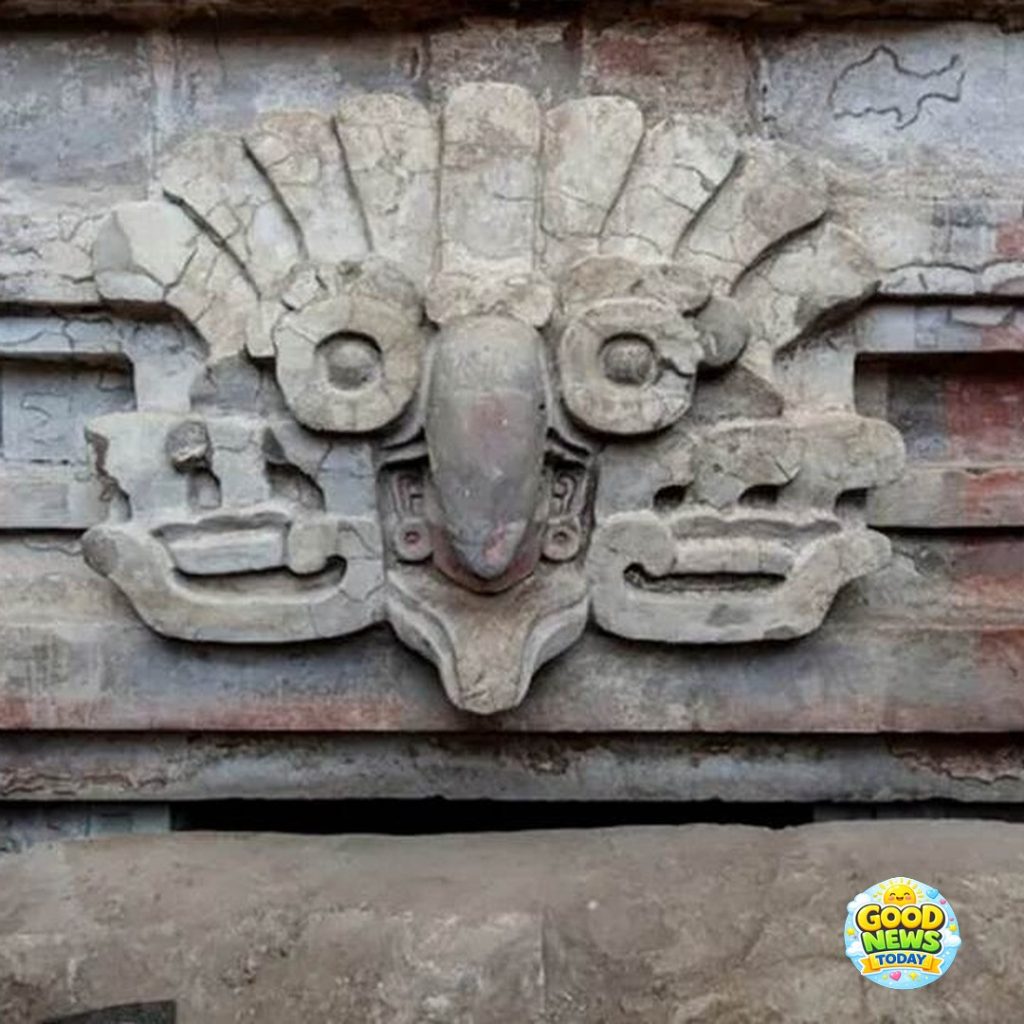
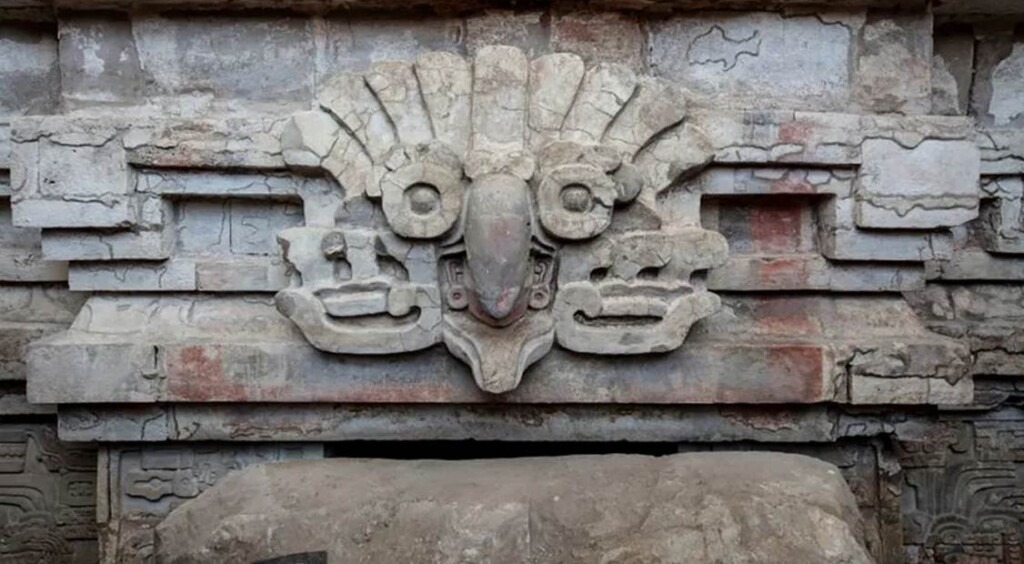
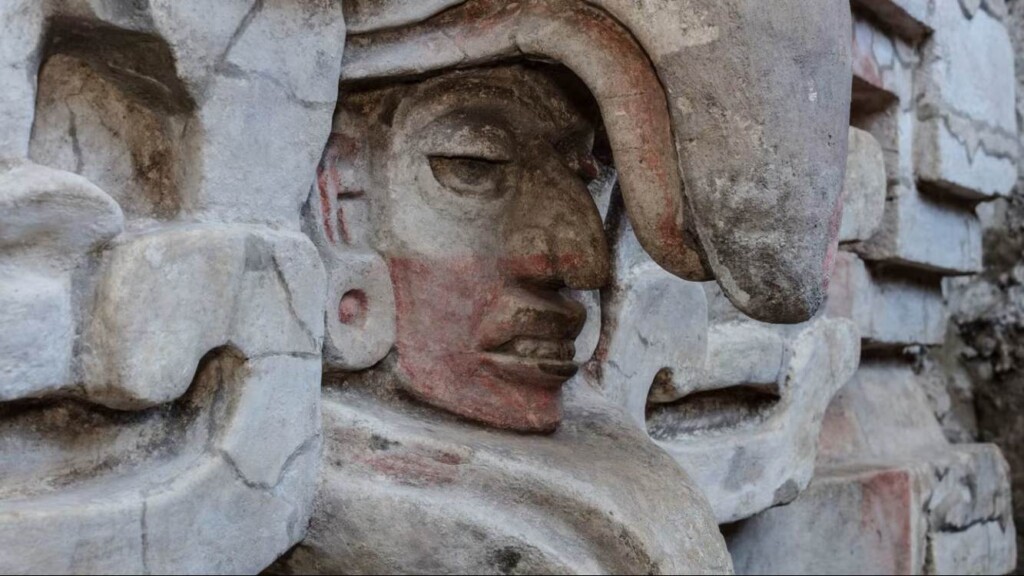
The tomb, belonging to the Zapotec civilization—one of Mexico’s ancient non-Mayan cultures—features a captivating frieze depicting a giant owl’s head, which intriguingly holds a man’s face within its beak. The Zapotecs, who inhabited what is now the modern Mexican state of Oaxaca as far back as the 6th century BCE, are known for their rich cultural heritage.
Historical accounts from the early Spanish explorers indicate that the Zapotecs were often engaged in conflicts with the Aztecs. Today, their descendants form a recognized ethnic group in Mexico, numbering in the hundreds of thousands, and continue to speak the Zapotec language.
Located in the San Pablo Huitzo area, this extraordinary tomb showcases vibrant murals painted in hues of green, white, blue, and red. These artworks illustrate scenes related to funerary traditions, as outlined by Mexico’s National Institute of Anthropology and History (INAH).
President Claudia Sheinbaum expressed her enthusiasm during a recent press briefing, stating, “This is the most significant archaeological discovery of the last decade in Mexico due to its exceptional preservation and the valuable information it provides.”
The owl sculpture is particularly noteworthy. In Zapotec mythology, owls symbolize both the night and death. The beak of this magnificent bird sculpture holds a stone head, which may represent the individual interred within the tomb, according to INAH insights.
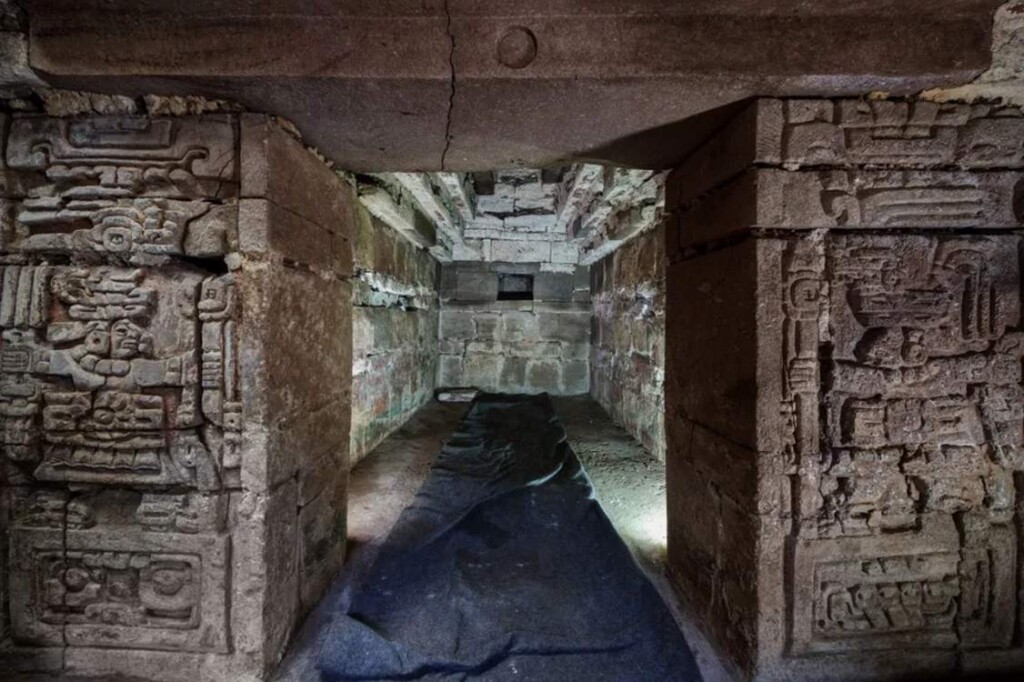
At the entrance of the burial chamber, two human figures are carved, appearing to hold various artifacts. These figures may have served as the guardians of the tomb, adding to the mystery and significance of this site.
In a related discovery, a recent LiDAR study revealed a collection of ancient structures in the hills near Santo Domingo Tehuantepec, believed to be a Zapotec fortress complete with ball courts. Pedro Guillermo Ramón Celis, who organized the LiDAR survey, plans to return for further research, emphasizing how this fortress could provide invaluable insights into the lives of the Zapotec ancestors and their resistance against the Aztec expansion.
As for the owl-fronted tomb, Claudia Curiel de Icaza, Mexico’s culture secretary, noted the excitement among contemporary Zapotecs to learn from the tomb’s murals and carvings about their ancestors’ social organization, funerary practices, and belief systems.
Before any further exploration can take place, essential conservation efforts will be prioritized to protect the tomb and its stunning artworks from potential damage caused by insects, tree roots, and the surrounding climate.
This incredible discovery is not just a glimpse into the past; it’s a celebration of a rich cultural heritage that continues to inspire and connect generations.