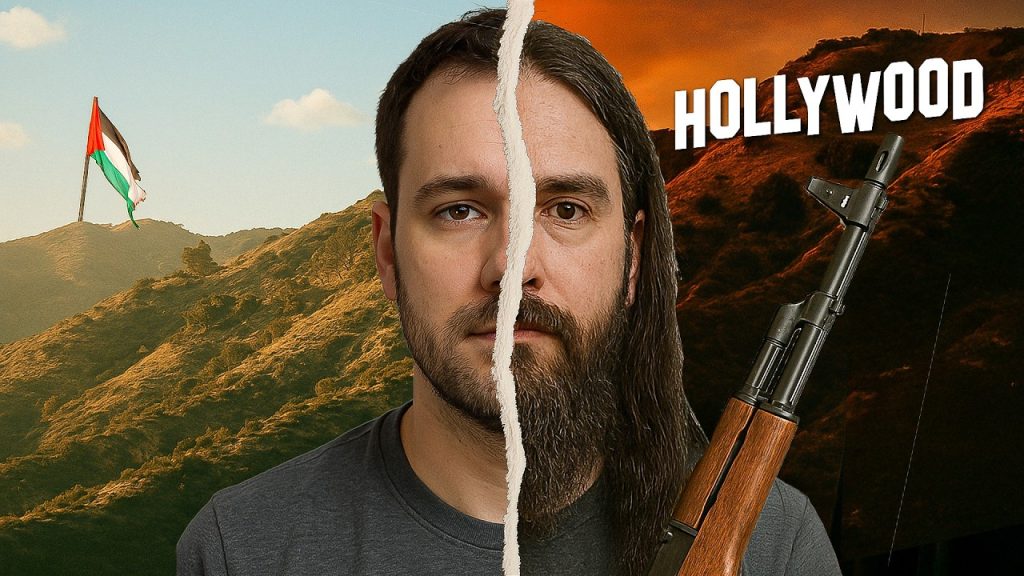
The provocative question, “Have you been subconsciously indoctrinated?” challenges us to consider how much of our political understanding and beliefs might be shaped beyond our immediate awareness. This concept refers to the process by which individuals absorb certain ideologies, values, and attitudes unconsciously through cultural, social, and media influences that subtly guide thinking patterns and behavior over time.

In today’s politically charged environment, discussions around indoctrination have become increasingly relevant. The idea that political messaging, education systems, social media algorithms, and entertainment can contribute to shaping subconscious beliefs raises concerns about personal autonomy and critical thinking. Identifying subconscious indoctrination often involves looking at how deeply ingrained narratives might influence opinions without deliberate reflection.
Historically, indoctrination has been a tool used by various political regimes to maintain control and unify public thought—sometimes at the expense of dissent or critical dialogue. In democratic societies, where free thought and debate are prized, the subtlety of subconscious influences can make it harder to detect or challenge prevailing ideas. This subtlety also sparks intense debates about censorship, freedom of speech, and the role of education in fostering independent thinking.
Furthermore, the rise of digital media has transformed the dynamics of information dissemination. Algorithms designed to maximize engagement often prioritize emotionally charged or confirmation-biased content, reinforcing existing beliefs and potentially deepening subconscious conditioning through echo chambers. This evolving media landscape has intensified calls for media literacy programs aimed at helping people recognize underlying biases and develop more nuanced perspectives.
Whether you identify with a particular political ideology or consider yourself politically neutral, reflecting on the possibility of subconscious indoctrination may encourage more mindful consumption of information and engagement with diverse viewpoints. It invites a broader exploration into how culture, media, and social environments shape political identities and the importance of fostering critical awareness in this complex landscape.
Where to Learn More
- Brookings Institution – Research on political behavior and media influence
- Pew Research Center – Studies on public opinion and political polarization
- NPR Politics – In-depth coverage of political communication and media effects
- C-SPAN – Extensive archives on political speeches and debates
- The Atlantic – Politics – Thoughtful analyses on ideology and cultural influence