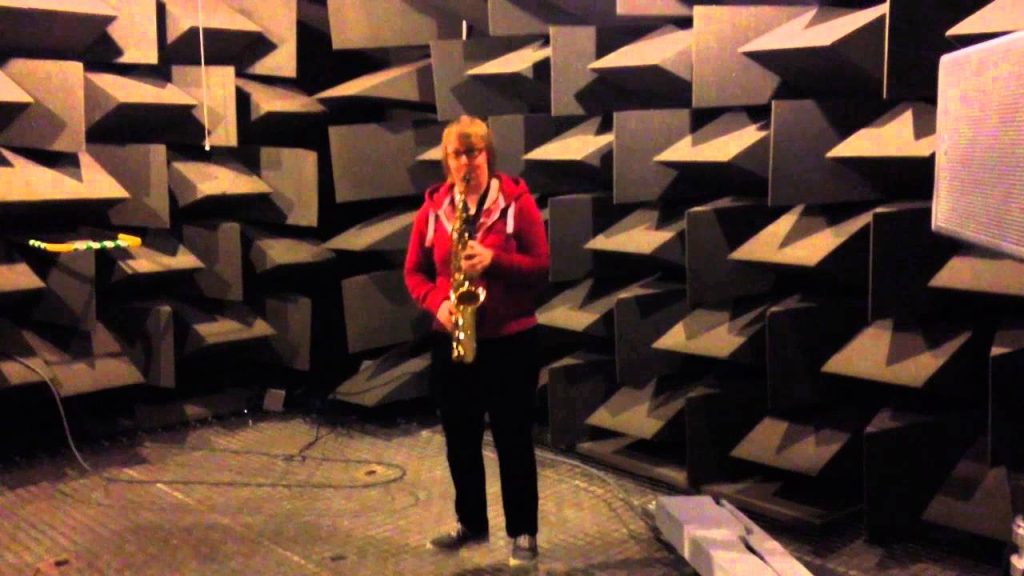
The anechoic chamber and the reverberation room serve as fascinating contrasts in the study of sound and acoustics. While the anechoic chamber is designed to absorb sound energy completely, creating a silent environment where echoes are virtually eliminated, the reverberation room plays the opposite role by reflecting sound waves to create a rich, echo-filled atmosphere. These two environments are essential for various acoustic testing and research, allowing scientists and engineers to explore the complexities of sound behavior in radically different settings.