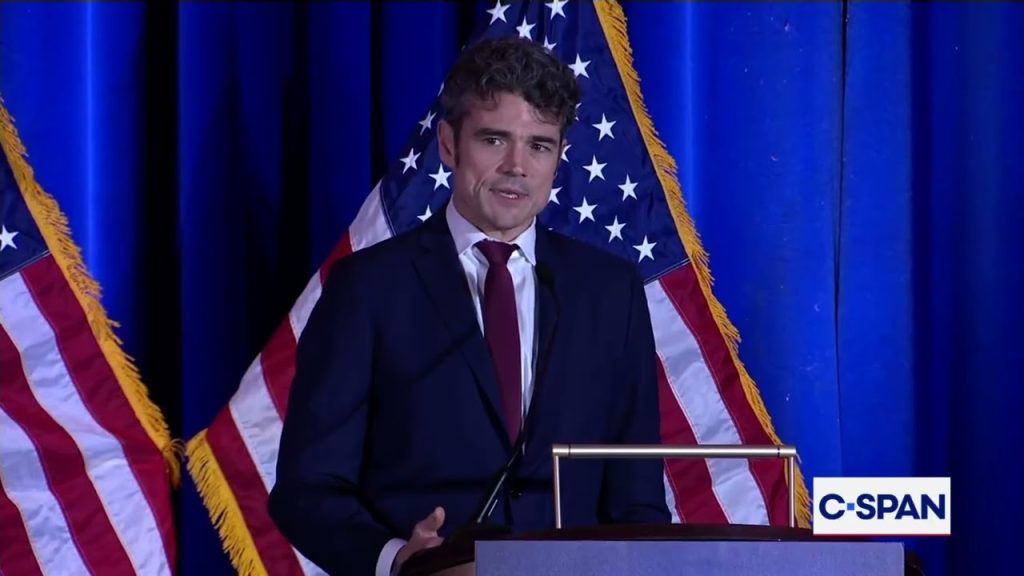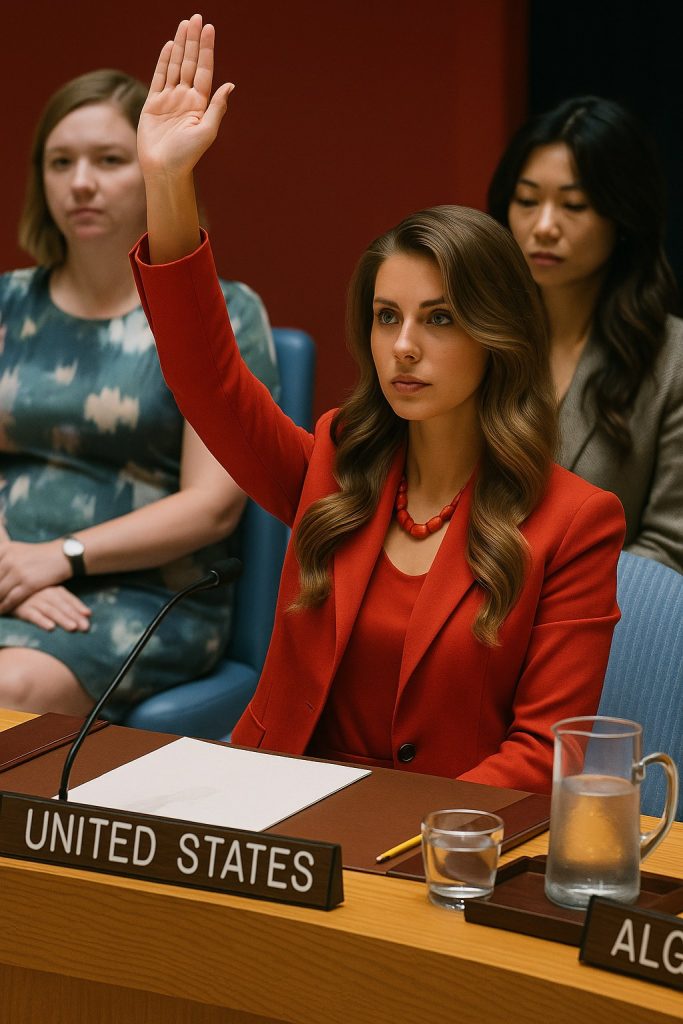
In a stirring address at the United Nations, Algeria’s ambassador to the UN has ignited a firestorm of debate over the ongoing humanitarian crisis in Palestine, condemning what he termed “daily killings” by Israel and highlighting the world’s concerning silence on these issues. The remarks, made during a recent Security Council meeting, focus on the severe effects of the Israeli-Palestinian conflict on civilian lives.
“Israel kills every day and nothing happens,” the ambassador declared. “Israel starves a people and nothing happens. Israel bombs hospitals, schools, shelters and nothing happens.” This harsh rhetoric reflects growing frustration among several nations that advocate for immediate action against perceived injustices in the region, particularly in the context of the humanitarian struggles faced by Palestinians.
The ambassador’s comments come in the wake of a series of reported airstrikes in Gaza that have claimed numerous lives, including children and non-combatants. With images flooding social media of bombed-out buildings and devastated communities, the ambassador’s outburst gains traction in many parts of the world where calls for accountability and action are increasingly vocal.
Critics argue that the international community has been largely passive regarding Israel’s military actions, raising questions about the efficacy of longstanding peace efforts in the region. “There is an urgent need for a unified international response to address the humanitarian crisis,” the ambassador insisted. “Ignoring these atrocities only perpetuates the cycle of violence.”
Despite the ongoing unrest, key geopolitical players have often been criticized for prioritizing diplomatic ties over humanitarian considerations. Countries facing internal divisions regarding foreign policy are left to grapple with how best to respond to the crisis without jeopardizing crucial international alliances. However, as calls for intervention rise, many are starting to question whether the global response to human rights violations should surpass political interests.
The ambassador’s speech has reignited debate about the effectiveness of the United Nations and its mechanisms for ensuring accountability among its member states. Some have pointed out that the UN often falls short in imposing clear repercussions for nations that violate international laws, fostering a climate of impunity for actions committed against vulnerable populations.
On social media, support for his statements has been growing, with hashtags circulating that advocate for the rights of Palestinians. Activists are leveraging these comments to rally calls for greater awareness and to encourage potential actions from world leaders. As tensions in the region escalate, many hope this renewed spotlight will pave the way for serious dialogue and, ultimately, for change.
As the world watches, Algeria’s UN ambassador serves as a potent voice, urging for change in the face of unyielding violence and suffering. Whether the international community will heed this call for action remains uncertain, but what is clear is that the plea for justice and accountability resonates strongly amid a humanitarian crisis that has persisted for far too long.