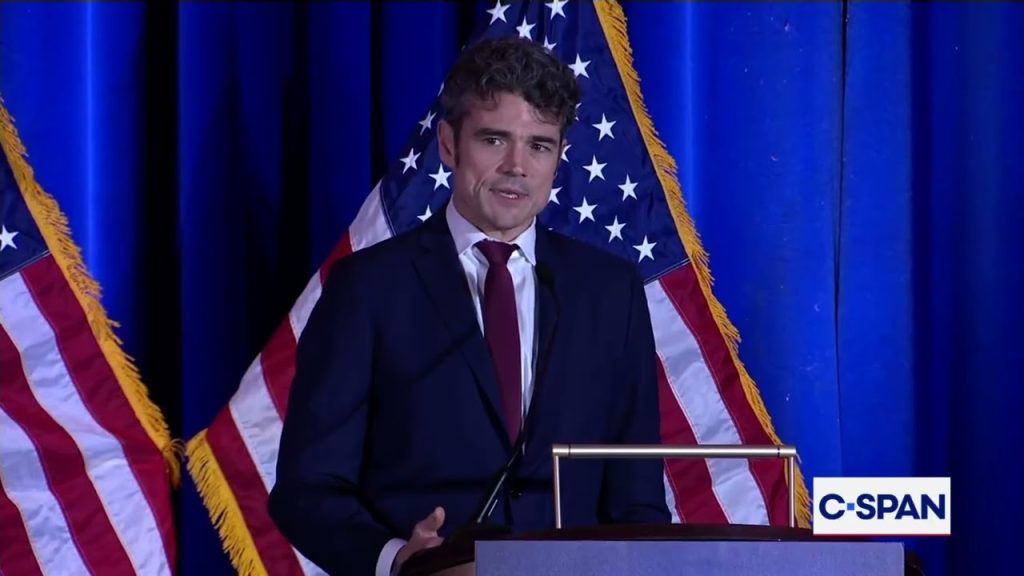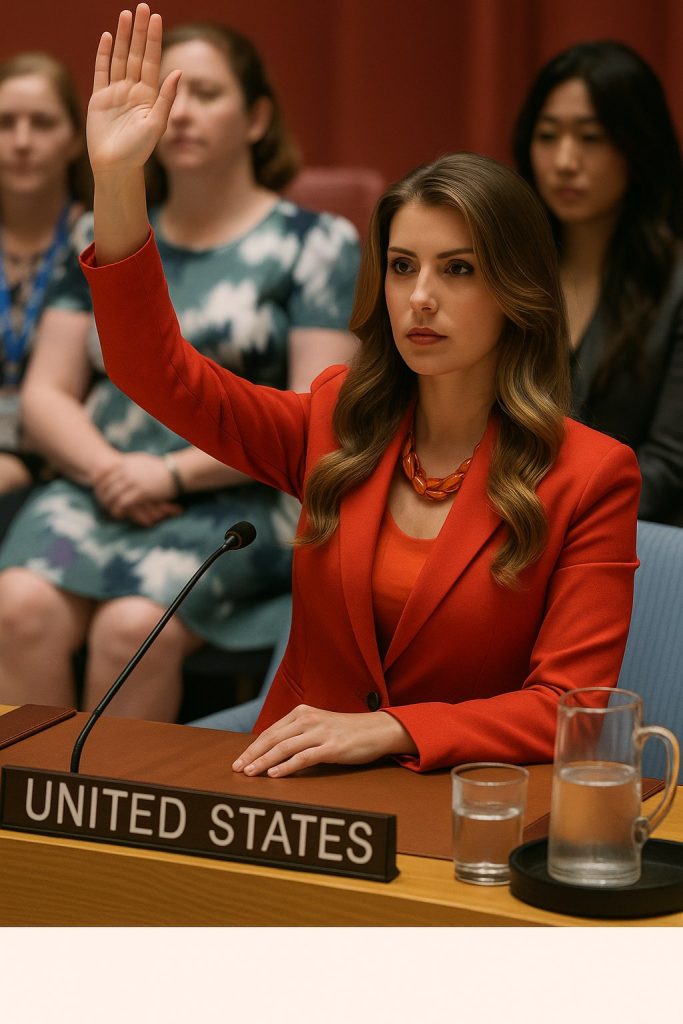
In a shocking speech that quickly gained traction across social media platforms, Algeria’s Ambassador to the United Nations, Sofiane Mimouni, condemned Israel’s military actions in Gaza, saying, “Israel kills every day and nothing happens,” and emphasizing that the country has been allowed to “starve a people” while continuing its offensive against innocent civilians.
Mimouni’s impassioned plea highlighted a grim reality that echoes in the hearts of many around the world as the years of conflict once again take center stage. The ambassador expressed outrage not only over the daily loss of life but also over the assaults on hospitals, schools, and shelters—places supposed to be sanctuaries for the vulnerable. “Israel bombs hospitals, schools, shelters and nothing happens,” he accused, leaving many to ponder what it truly means when the world watches yet stands idly by.
The remarks come during a crucial moment when humanitarian concerns regarding the ongoing conflict have ignited numerous international debates. As the Israeli-Palestinian conflict escalates, cities in Gaza are struggling with the aftermath of what many describe as indiscriminate bombings that have left the civilian population facing a dire humanitarian crisis.
In his strong statements, Mimouni called into question the adequacy of the international community’s response to what many view as egregious human rights violations. His comments not only resonated within the walls of the U.N. but also on social media platforms where users shared clips of the speech, using hashtags like #EndTheOccupation and #GazaUnderAttack to voice their solidarity with the Palestinian plight.
The ambassador’s address ignited discussions about the effectiveness of international humanitarian laws and the consistent accusations that Israel acts above them. Online platforms became a crucible for various opinions, with some supporting Mimouni’s statements while others criticized the narrative as one-sided. The emotional weight of the comments stirred empathy, anger, and calls for action from various advocacy groups and individuals worldwide, amplifying the call for accountability and change in policy.
In the wake of this controversy, many humanitarian organizations are reiterating the importance of addressing civilian needs amidst conflict. The partnership between these organizations and global powers may shape future responses as the situation develops.
The ambassador’s statements have opened the door for renewed discussions regarding potential resolutions to the long-standing conflict. As public opinion shifts with the widespread response to his comments, it remains to be seen whether this will influence policymakers to take concrete actions toward mediation and peace initiatives.
With the eyes of the world focused on Gaza and its civilians, the question remains: Will the international community finally take a stand, or will it continue to witness chaos unfold unheeded? As voices like Mimouni’s grow louder, there is a growing sense that the time for inaction is over.
Where to Learn More
- Israel-Gaza conflict: What is happening? – BBC News
- UN calls for ceasefire as Gaza death toll climbs – Reuters
- Gaza hospitals struggling as conflict escalates – Al Jazeera
- Human Rights Watch Calls for International Intervention – Human Rights Watch