Exactly 250 years ago, the renowned Scottish economist Adam Smith unveiled his groundbreaking work, An Inquiry into the Nature and Causes of the Wealth of Nations, which is often recognized as one of the foundational texts in economics. Celebrated by George Stigler as “the most important substantive proposition in all of economics,” this work, commonly referred to as The Wealth of Nations, marks a pivotal shift in economic thought. Rather than merely pondering “why is there poverty?” Smith took on the more complex question of “why is there wealth?” His insights revealed that, among nations of similar culture and population, the wealth disparity arises from the extent to which they embrace individual economic endeavors. This treatise outlines essential economic principles that have significantly contributed to human prosperity throughout history.
Among the key concepts introduced by Smith is the idea of “The Invisible Hand.” He postulated that when individuals are free to pursue their own interests through lawful trade and negotiation, they inadvertently promote overall prosperity, as if guided by an unseen force. This means that voluntary exchanges benefit both parties involved, creating a ripple effect that enhances collective welfare.

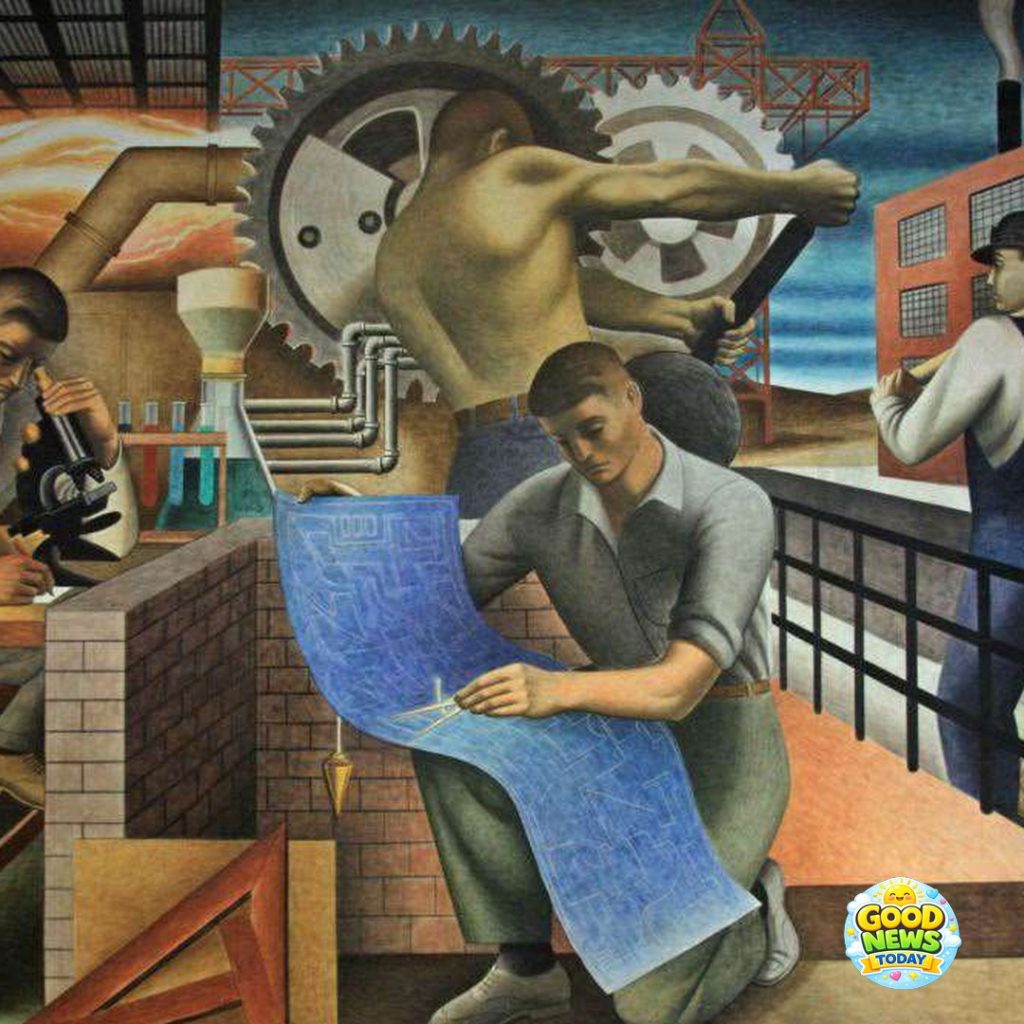
Additionally, Smith articulated the law of the division of labor, which asserts that increased specialization leads to greater production efficiency. For instance, if 20 individuals each attempt to build a car, the process would unfold much more slowly than if they each focused on producing a specific part. By specializing, societies can overcome natural limitations and inequalities; rather than striving to compete with Spain in orange production, Scotland can excel in salmon production and trade for oranges, effectively leveraging its strengths.

Furthermore, Smith championed the concept of free trade during an era when protectionist policies were prevalent. He argued that engaging in international trade allows nations to access unique market advantages while fostering wealth creation. Contrary to the common belief that importing goods harms domestic labor, Smith demonstrated that such practices actually enhance wealth, as they save money for producers and facilitate easier payment for imports through exports.
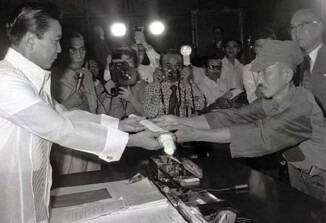
In addition to celebrating Smith’s monumental contributions to economic thought, we also reflect on another significant event that took place on this date: 52 years ago, Hiroo Onoda, a Japanese soldier, surrendered after 29 years of holding out in the Philippines, long after World War II had ended. His story is a testament to perseverance and the passage of time, reminding us of the extraordinary journeys individuals can undertake.