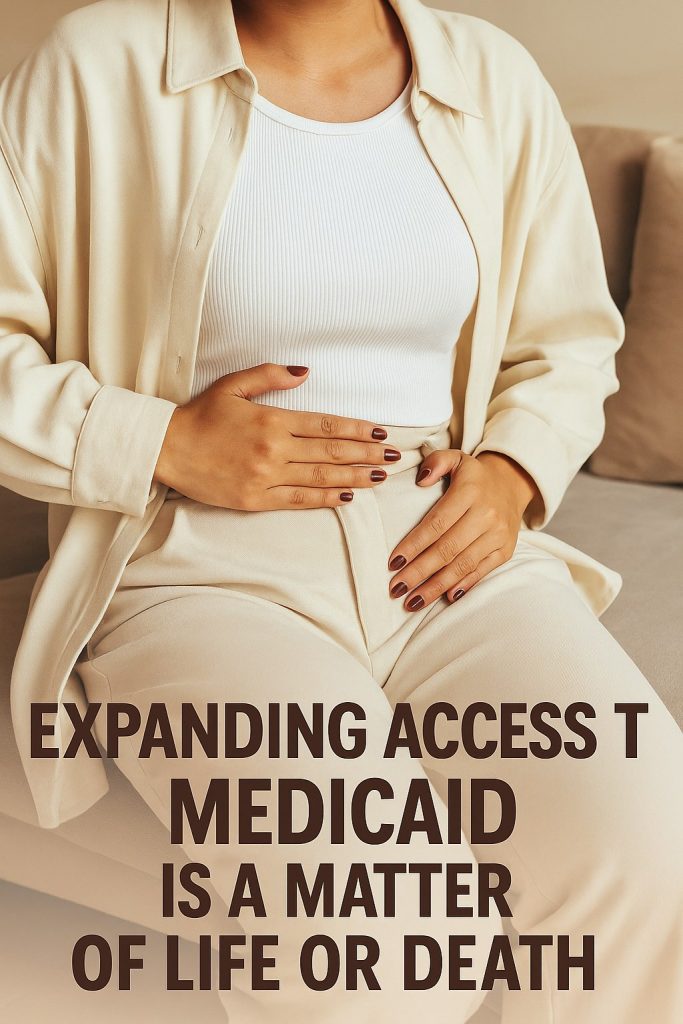
In the robust debate surrounding healthcare access in the United States, the conversation around Medicaid has taken center stage, especially for women. Advocates are increasingly warning that preserving and expanding access to Medicaid—and inherently improving women’s healthcare—is not merely a policy choice; it is a matter of life or death.
As countless women rely on Medicaid for essential healthcare services, any potential cuts to the program raise significant alarm bells. For many, Medicaid is more than a backup plan; it’s a crucial lifeline. Women constitute a large proportion of Medicaid beneficiaries—over 70 million women, in fact. This demographic relies on the program for reproductive health services, prenatal and maternity care, cancer screenings, and ongoing management of chronic diseases.
Studies have consistently shown that women enrolled in Medicaid are more likely to receive comprehensive healthcare services. A report by the Kaiser Family Foundation highlights the disparity in outcomes between insured and uninsured women. Among women who are uninsured, rates of complications during pregnancy and childbirth significantly increase, resulting in higher maternal mortality rates. In stark contrast, access to Medicaid has proven to bolster maternal health substantially, reducing maternal death rates by up to 50% in certain demographics.
The overall landscape is further complicated by recent state-level initiatives aimed at rolling back Medicaid expansion, as well as attempts to impose stricter eligibility criteria. Georgia and Florida are prime examples, where policymakers have sought to limit access, igniting protests and backlash from women’s health advocates. Critics argue that these measures dangerously jeopardize the progress made in women’s health outcomes over the past decade, leading to more women falling through the cracks of the healthcare system.
Moreover, the intersection of healthcare policy and reproductive rights has become more pronounced. With several states tightening abortion access, many women depend on Medicaid not only for prenatal and maternal health but also for reproductive health services, including family planning and contraceptive access. Organizations like Planned Parenthood emphasize that without adequate Medicaid coverage, more women will face unintended pregnancies and inadequate prenatal care, ultimately exacerbating health disparities.
Improving access to Medicaid also holds the potential to uplift entire communities. Health equity proponents argue that when women have access to healthcare, they are more likely to thrive, thus benefiting their families and the economy. Recent evidence indicates that women who receive timely preventive care through Medicaid save states on long-term healthcare costs by mitigating the need for emergency interventions later.
In light of these compelling arguments, healthcare advocates urge the public to voice their concerns to lawmakers. “Now, more than ever, we need to mobilize,” says Dr. Lisa H. Fields, a leading maternal-fetal medicine specialist. “Our women deserve access to comprehensive care, and the stakes couldn’t be higher.”
As these discussions gain traction across social media platforms, the call to action becomes increasingly clear: Preserving Medicaid is essential not only for women but for the overall vibrancy of American families. As these conversations evolve, it is vital to maintain the momentum and ensure that access to healthcare services remains a priority.
Where to Learn More
- The Impact of Medicaid Expansion on Women’s Health – Kaiser Family Foundation
- Planned Parenthood Responds to Medicaid Expansion Neglect – Planned Parenthood
- The Role of Medicaid in Improving Maternal Health Outcomes – National Institutes of Health
- Advocating for Medicaid Access and Women’s Health – American Academy of Family Physicians
- Maternal Health: About Health Equity – Centers for Disease Control and Prevention