
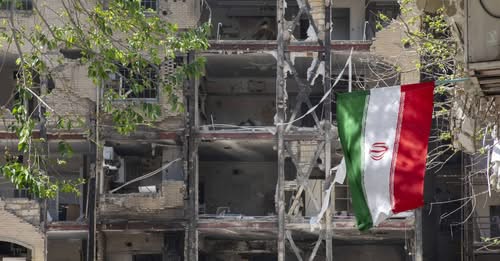
Ten years ago, the signing of the Joint Comprehensive Plan of Action (JCPOA) was heralded as a potential breakthrough in curbing Iran’s nuclear ambitions and fostering stability in the Middle East. Yet, as the anniversary passes, experts and analysts warn that the region is more precarious than ever, with renewed tensions, geopolitical rivalries, and unresolved conflicts threatening to plunge the area into deeper instability.
The JCPOA, signed in 2015, aimed to limit Iran’s nuclear program in exchange for relief from economic sanctions. While initially viewed as a diplomatic achievement, subsequent years have vividly demonstrated the fragility of diplomacy in a region rife with complex interests. In 2018, the United States withdrew from the deal under the Trump administration, reimposing harsh sanctions that severely impacted Iran’s economy and intensified regional tensions.
Today, the Middle East faces a confluence of challenges that complicate efforts towards stability. Iran’s regional influence continues to grow through its backing of proxy groups such as Hezbollah in Lebanon, the Assad regime in Syria, and militias in Iraq and Yemen. These alliances contribute to ongoing conflicts and deepen divides among regional powers, notably between Iran and its Gulf Arab neighbors.
Meanwhile, the Gulf Cooperation Council (GCC) countries—particularly Saudi Arabia and the United Arab Emirates—are increasingly wary of Iranian ambitions. This mistrust has prompted a regional arms race, increased military presence, and strategic alignments with global powers, including the United States and China. The result: a tense landscape where conflicts risk spiraling out of control.
The recent escalation in Yemen, which has become a proxy battleground for Saudi Arabia and Iran, exemplifies how unresolved issues from the JCPOA era continue to threaten regional peace. The ongoing civil war, compounded by international interventions and humanitarian crises, highlights the limits of diplomacy when security concerns take precedence over dialogue.
Adding to the complexity is the unresolved Israeli-Palestinian conflict, which remains a persistent source of instability in the region. The normalization agreements between Israel and some Gulf states, such as the Abraham Accords, offer hope for broader cooperation, but underlying tensions persist.
The current landscape suggests that without renewed diplomatic efforts, the potential for open conflict increases. The Biden administration, along with European actors, has signaled a willingness to re-engage with Iran to revive the JCPOA or find a new framework to contain nuclear ambitions and regional tensions. However, deep mistrust and divergent regional interests continue to hinder progress.
As we reflect a decade after one of the most ambitious diplomatic efforts in recent history, the Middle East’s situation underscores a sobering reality: diplomacy alone cannot resolve entrenched conflicts, and without sustained cooperation, the region’s future remains uncertain. The stakes are high—not only for regional stability but for global security as well.