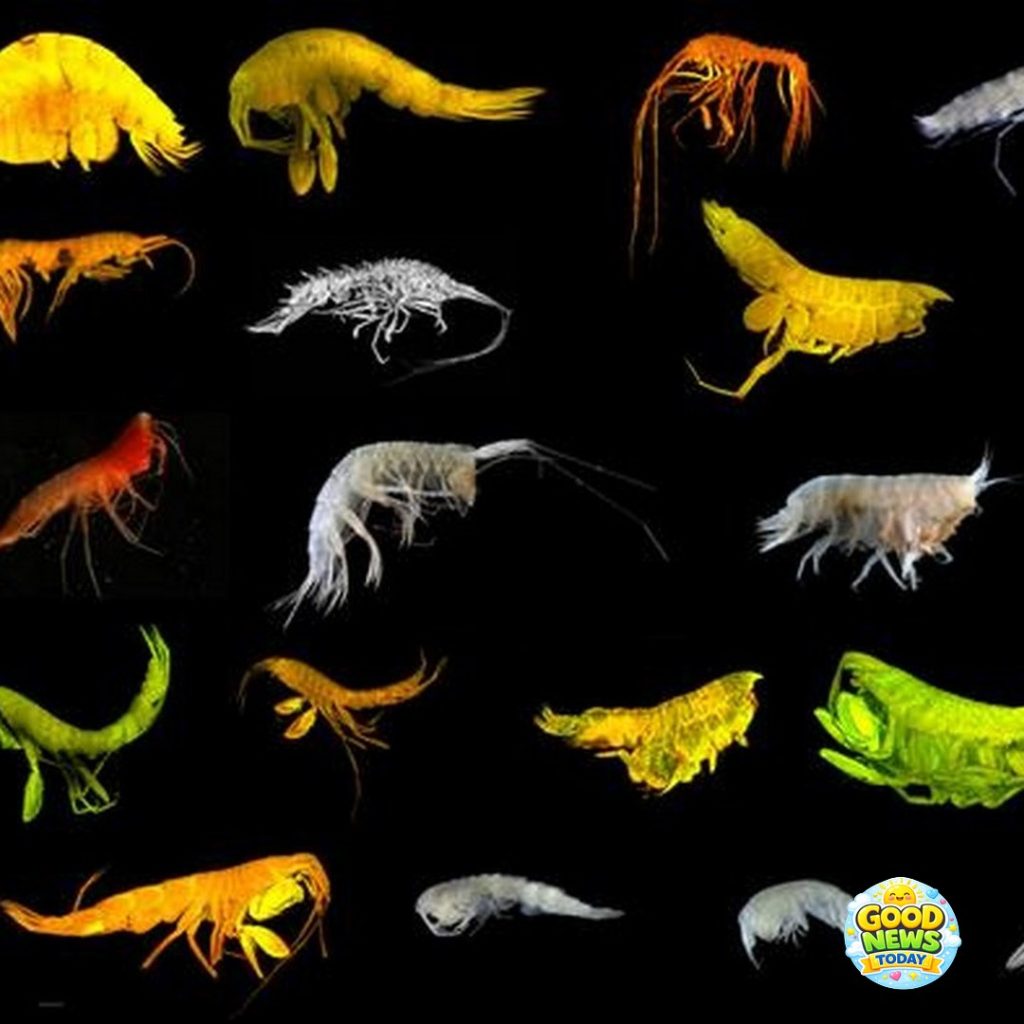
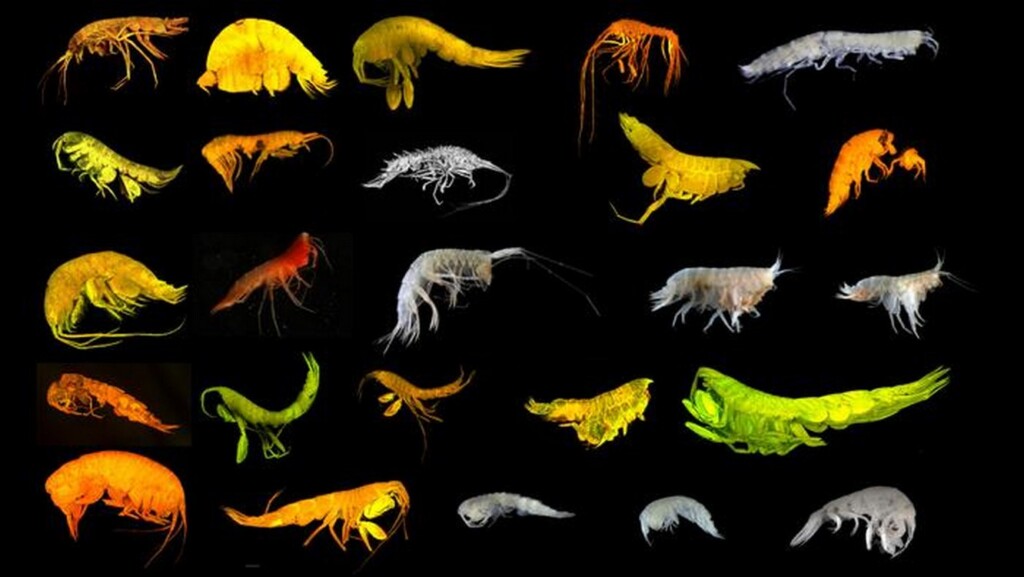
In a remarkable deep-sea exploration near Mexico, an international team has discovered 24 new species of amphipods, which are fascinating shrimp-like creatures. Among these discoveries is an entirely new taxonomic family named Mirabestiidae.
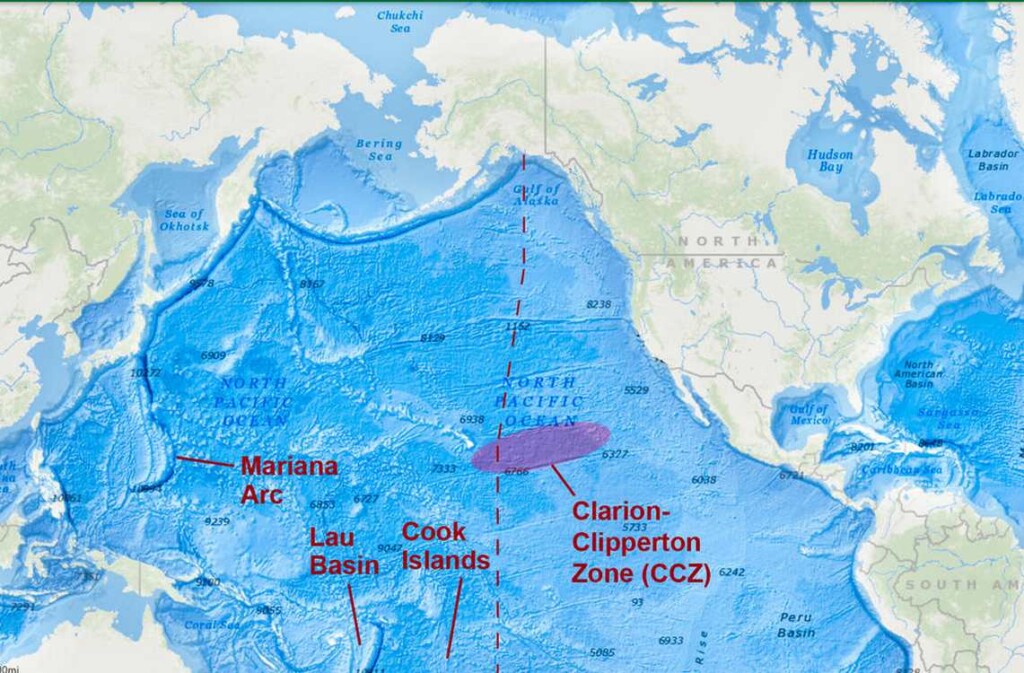
This exciting survey took place in the Clarion-Clipperton Zone (CCZ), a unique underwater region located between Hawaii and Mexico, where the seabed plunges to depths between 10,000 and 20,000 feet. Despite over 10,000 amphipod species already documented, the incredible diversity of these animals means that expeditions like this one continue to reveal new and colorful species.
Dr. Tammy Horton from the UK’s National Oceanographic Center (NOC) expressed her enthusiasm, stating, “Finding a new superfamily is incredibly exciting, and such discoveries are rare, making this a memorable moment for all of us.” She further emphasized the importance of these findings, noting that over 90% of species in the CCZ are yet to be named, and each new description enhances our understanding of this captivating ecosystem.
The NOC collaborated with aspiring scientists and partners from across Europe, New Zealand, and Canada during a weeks-long taxonomy workshop at the University of Lodz in Poland, organized under the Sustainable Seabed Knowledge Initiative (SSKI) by the International Seabed Authority. This initiative aims to document 1,000 new species by the decade’s end, enabling better insights into deep-sea biodiversity for informed decision-making regarding deep-sea mining.
Dr. Anna Jażdżewska, who led the workshop, highlighted the significance of the team’s discoveries. She stated, “The findings provide crucial information for future conservation and policy decisions, underscoring the importance of continuing this vital work.”
The CCZ, spanning an impressive 1.7 million square miles in the eastern Pacific Ocean, was first identified by the Scripps Institution of Oceanography in 1954. Despite being well-studied, this region still holds many secrets, as 42% of all known deep-sea species were first described there.
This expedition unveiled not only the new family Mirabestiidae but also a new superfamily, Mirabestioidea, along with two new genera: Mirabestia and Pseudolepechinella. These findings reveal entirely new branches in the evolutionary tree of life.
For those unfamiliar with taxonomic hierarchies, think of it this way: just as the family Felidae includes all cats, both wild and domestic, the new discoveries contribute to our understanding of life forms in the deep sea.
Throughout this exciting journey, students and professors alike delighted in uncovering one new species after another, before transporting their findings back to the chilly surroundings of Poland. This exploration not only expands our knowledge but also inspires future generations to continue exploring the mysteries of our planet’s oceans.