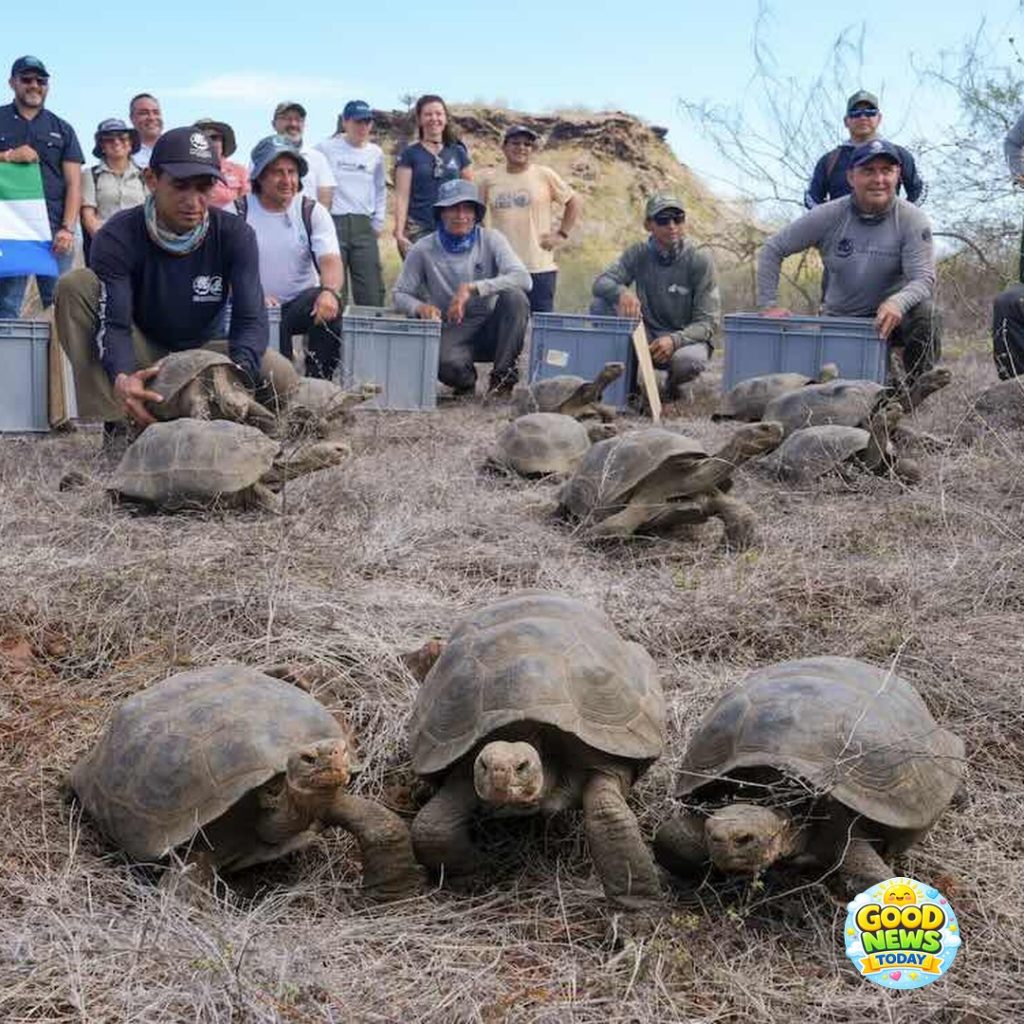
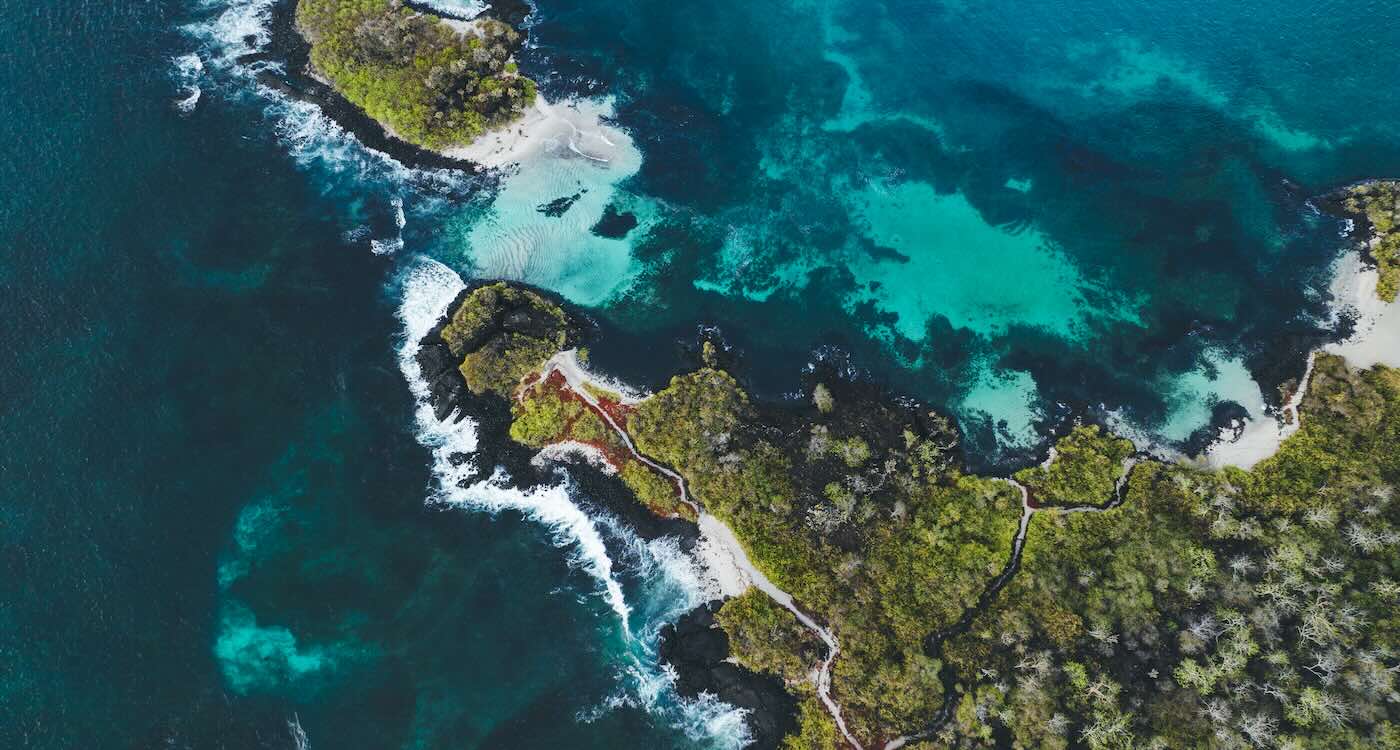
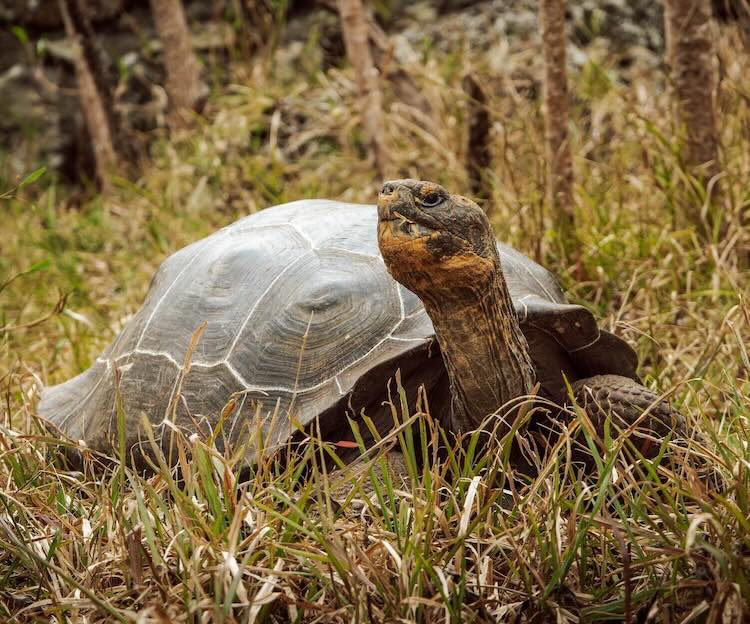
For the first time in more than 180 years, Floreana Island is welcoming back a population of giant tortoises, marking a significant milestone in the largest restoration initiative ever undertaken in the stunning Galápagos archipelago.
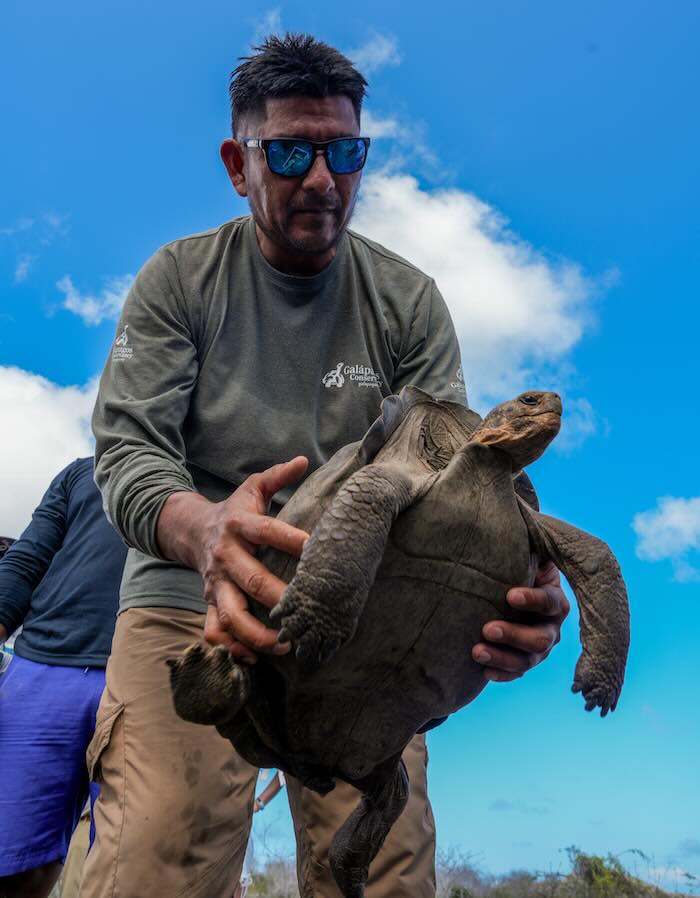
This week, 158 juvenile giant tortoises of the Floreana lineage were released into their historical habitat, a momentous occasion for the island and its ecosystems. Once driven to extinction in the mid-1800s, the Floreana giant tortoise (Chelonoidis niger niger) had been absent for generations, and their return is a beacon of hope for rewilding efforts led by the Floreana Ecological Restoration Project.
“This Project represents one of the most ambitious challenges faced by the Galápagos National Park,” stated Lorena Sánchez, the park’s director. “After years of dedicated, science-driven work—requiring extensive studies and patience—the reintroduction of these giant tortoises symbolizes our long-term vision for restoring the ecological balance of Floreana’s ecosystems.”
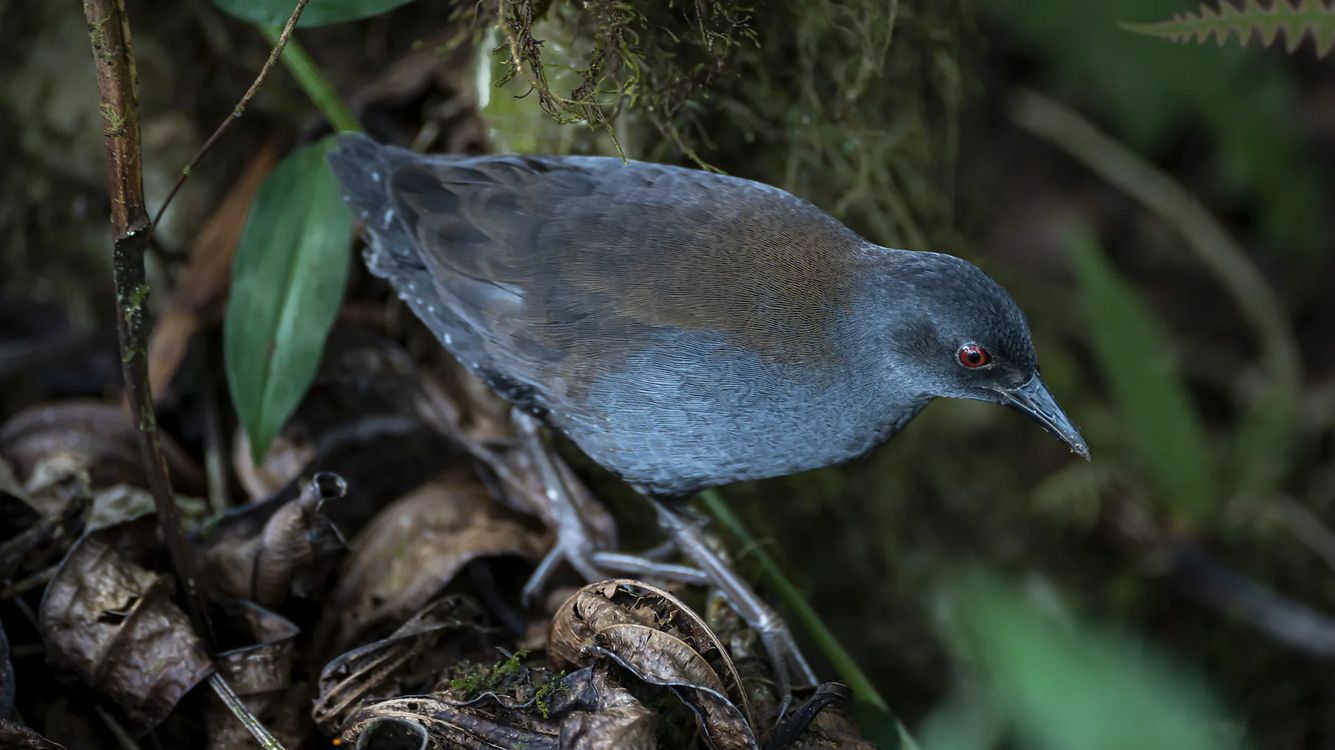
The local community, comprised of around 160 residents, has played a vital role in reaching this achievement. From participating in planning workshops to supporting ongoing ecological monitoring, their engagement has been instrumental. Their efforts have already led to remarkable conservation victories, such as the rediscovery of the Galápagos Rail, a rare bird that had not been seen on the island since Charles Darwin’s historic visit.
“For generations, Floreana thrived without its giant tortoises,” remarked Verónica Mora, the community’s representative. “Their return exemplifies what can be achieved when a community unites with shared goals. Our livelihoods—ranging from tourism to agriculture and fishing—are intertwined with the health of this island.”
The tortoises released this week are the culmination of decades of genetic research spearheaded by the Galápagos National Park Directorate. In the early 2000s, genetic studies uncovered that certain tortoises residing on Wolf Volcano, located north of Isabela Island, carried ancestral ties to Floreana—these were the last living descendants from a lineage long thought to be extinct, likely due to historical whaling practices that involved offloading animals during long voyages.
Through a meticulously managed breeding program, these individuals were nurtured to create a population that closely mirrors the original Floreana giant tortoise lineage. “By identifying the tortoises on Wolf Volcano with Floreana ancestry and breeding their descendants, we are restoring this species to its rightful island in a form that closely reflects its original lineage—laying a crucial scientific groundwork for the revitalization of Floreana’s ecosystems and the future reintroduction of other native species,” expressed Hugo Mogollón, President of Galápagos Conservancy.
As keystone species, tortoises play an essential role in maintaining open habitats, promoting the growth of native plants, and fostering conditions that allow entire ecosystems to thrive. Their absence on Floreana has disrupted natural ecological processes, but now, with their return, there is renewed hope for the island’s environmental future.